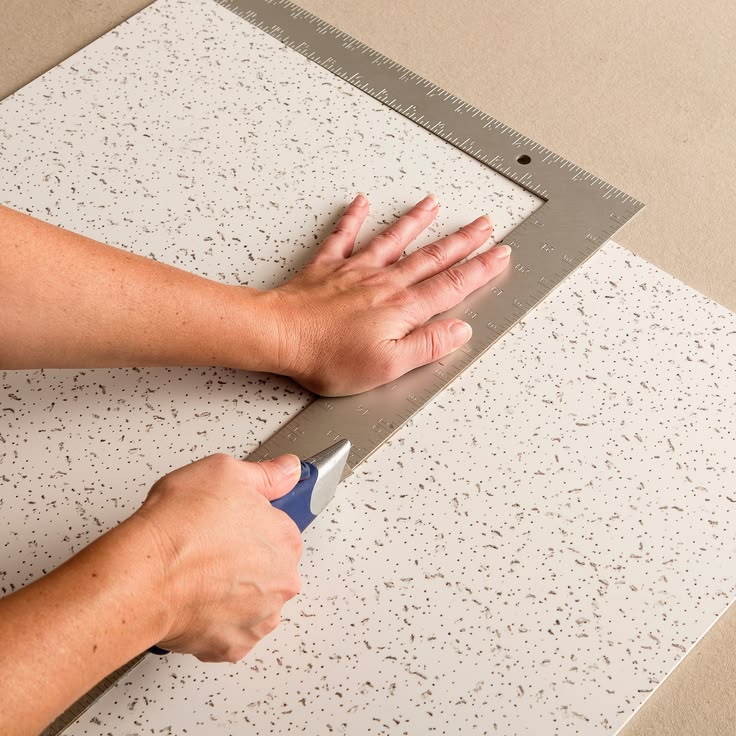
Choosing the right ceiling material is especially important in rooms exposed to humidity, steam, splashes, or occasional moisture. Bathrooms, laundry rooms, kitchens, basements, and certain commercial spaces require surfaces that can handle these conditions without quickly deteriorating. Waterproof ceiling tiles can offer a practical solution while also providing opportunities to improve the room’s appearance through different colors, textures, and patterns. The right choice depends on the level of moisture, ventilation, ceiling height, lighting arrangement, installation method, and local building requirements. Understanding these factors before installation can help create a ceiling that remains functional, attractive, and easier to care for over time.
Understanding Waterproof Ceiling Materials
Water-resistant and waterproof ceiling materials are available in several forms. PVC, vinyl-coated products, plastic panels, fiberglass, and certain metal systems can provide varying levels of protection against moisture.
The terms used by manufacturers can differ, so product specifications should be reviewed carefully. A ceiling material suitable for humid conditions may not necessarily be designed for areas with direct water exposure.
Where Moisture Resistant Ceilings Work Well
Moisture-resistant ceiling products can be useful in bathrooms, kitchens, laundry rooms, basements, pool areas, utility rooms, and other spaces where humidity levels may be elevated.
The correct material should be selected according to the actual environmental conditions rather than simply the room name. A basement with occasional dampness may require a different approach from a regularly steamy bathroom.
Choosing the Right Material
PVC and other synthetic materials are popular for moisture-prone spaces because they do not absorb water in the same way as many porous materials. Metal panels can also provide durability when properly finished and protected against corrosion.
Fiberglass-based products may offer additional acoustic benefits depending on their construction. The material should be evaluated for moisture resistance, durability, cleaning requirements, appearance, and installation compatibility.
Considering Bathroom Ceilings
Bathrooms are one of the most common areas where moisture-resistant ceiling materials are useful. Steam from showers and baths can increase humidity and create condensation.
A suitable ceiling surface can help reduce concerns associated with moisture exposure, but ventilation remains essential. An exhaust fan or adequately designed ventilation system can help remove humid air before it condenses on surfaces.
Using Them in Kitchens
Cooking produces steam, heat, and airborne particles that can affect ceiling surfaces. A smooth and easy-to-clean material can therefore be practical in kitchens.
The ceiling should be coordinated with exhaust ventilation and lighting. Surfaces near cooking areas may require more frequent cleaning than those in other parts of the home.
Considering Basement Applications
Basements may experience moisture because of condensation, plumbing problems, groundwater, or changes in humidity. A moisture-resistant ceiling can be appropriate when the underlying conditions are controlled.
Before installation, any leaks or persistent dampness should be corrected. Covering a moisture problem without resolving its source can lead to stains, odors, or damage elsewhere.
Selecting the Right Tile Pattern
Waterproof ceiling products are available in different textures and patterns. Some create a smooth modern appearance, while others imitate wood, stone, metal, or decorative panels.
The pattern should suit the size of the room. Simple surfaces can make smaller rooms feel more open, while decorative patterns may work better as an accent in larger spaces.
Choosing a Ceiling Color
Light-colored ceilings can reflect more light and make a moisture-prone room feel brighter. White, cream, pale gray, and other soft shades are commonly suitable for bathrooms and utility areas.
Darker colors can provide a dramatic effect but may require stronger lighting to maintain a comfortable level of brightness.
Planning Lighting
Lighting should be considered before the ceiling is installed. Recessed fixtures, surface-mounted lights, and other moisture-appropriate options can be integrated into the layout.
The placement of fixtures should account for the room’s main activities. In a bathroom, for example, the vanity, shower, and general floor area may each require different levels of illumination.
Coordinating With Ventilation
Even a moisture-resistant ceiling needs proper ventilation. Excess humidity can affect walls, fixtures, grout, insulation, and other building components.
Ventilation systems should be positioned to remove humid air effectively. In some spaces, natural ventilation through windows can complement mechanical exhaust systems.
Considering Installation Methods
Some ceiling tiles can be installed directly over a suitable substrate, while others are designed for suspended grid systems. The installation method affects both appearance and future access.
Direct installation can create a continuous surface, while a suspended system allows individual panels to be removed for access to electrical or mechanical services above the ceiling.
Planning for Plumbing and Electrical Services
Ceiling layouts often need to accommodate pipes, wiring, vents, fans, and light fixtures. These elements should be mapped before installation begins.
A suspended system can provide easier access to services, while a fixed ceiling may provide a more seamless appearance. The appropriate choice depends on the building’s needs.
Considering Cleaning Requirements
Ceilings in kitchens and bathrooms can collect dust, steam residue, or other deposits. Smooth, sealed surfaces can generally make cleaning easier.
The cleaning method should follow the manufacturer’s recommendations. Abrasive products can damage finishes, while excessive moisture during cleaning may create problems around joints or edges.
Managing Condensation
Condensation occurs when warm, humid air meets a cooler surface. Even a moisture-resistant ceiling can experience condensation if humidity is consistently high.
Adequate ventilation, insulation, and temperature control can help reduce the risk. The entire ceiling assembly should be considered rather than relying on the tile material alone.
Using Decorative Ceiling Panels
Moisture-resistant ceilings do not have to look purely functional. Decorative panels can introduce texture and architectural interest while still addressing the environmental conditions of the room.
A patterned central section can be combined with simpler perimeter panels, or a consistent textured finish can be used throughout the room.
Considering Ceiling Height
Ceiling height can influence both material selection and visual design. In low rooms, simple flat panels may help maintain an open feeling.
Higher ceilings can accommodate stronger patterns, layered elements, or suspended systems without making the space feel crowded.
Improving Acoustic Comfort
Some moisture-resistant ceiling systems can also contribute to acoustic performance. This can be useful in bathrooms, commercial facilities, pool areas, and other spaces where hard surfaces create echoes.
Where sound absorption is important, the acoustic specifications of the product should be checked rather than assuming that every waterproof material provides the same performance.
Thinking About Durability
Durability depends on the material, installation quality, environmental exposure, and ongoing care. A product designed for high humidity may perform differently from one intended for occasional moisture.
Selecting a material according to the actual conditions can help prevent premature discoloration, warping, corrosion, or other problems.
Considering Fire Performance
Ceiling materials may have different fire-performance ratings. Building requirements can vary according to the type and use of the property.
Before installation, product documentation and applicable local regulations should be reviewed, especially in commercial or multi-unit buildings.
Planning the Budget
The total cost of a waterproof ceiling includes more than the tiles themselves. Surface preparation, grid components, trims, fasteners, lighting changes, ventilation work, and installation can all affect the final price.
Comparing complete systems can make it easier to understand the actual project cost and avoid unexpected additions later.
Final Thoughts
A suitable moisture-resistant ceiling can provide both practical protection and attractive design in areas exposed to humidity. Bathrooms, kitchens, basements, laundry rooms, and utility spaces can all benefit from carefully selected ceiling materials when the product matches the environmental conditions. Material type, ventilation, lighting, installation method, cleaning requirements, durability, and safety standards should all be considered before installation. With proper planning, a moisture-conscious ceiling can remain functional and visually appealing while supporting the broader design of the room.
FAQs
What rooms can use waterproof ceiling tiles?
They can be considered for bathrooms, kitchens, laundry rooms, basements, utility spaces, pool areas, and other locations where moisture exposure is a concern.
Are waterproof ceiling tiles completely unaffected by water?
Not necessarily. Product ratings vary, and some are designed for high humidity rather than direct water exposure. Always check the manufacturer’s specifications.
Can waterproof ceiling tiles be used in a shower?
Only products specifically approved for the intended wet-area conditions should be considered, along with appropriate waterproofing and installation methods.
Do waterproof ceilings prevent mold?
A suitable ceiling material can reduce moisture absorption, but it does not prevent mold by itself. Proper ventilation and control of leaks and condensation remain important.
Are suspended ceiling systems suitable for humid rooms?
Some suspended systems are designed for humid environments. The tiles, grid, and other components should all be suitable for the specific conditions.