Chairside Tables: Stylish, Functional, and Space-Saving Furniture Ideas for Modern Living Spaces
Small furniture pieces can have a major impact on the comfort and organization of a home. Among the most useful additions to a living room, reading nook, bedroom, or home office are compact side tables designed to keep everyday essentials within easy reach.
A well-selected table can provide a convenient place for a lamp, books, beverages, remote controls, decorative accessories, and personal items. At the same time, it can enhance the overall appearance of your interior by adding another layer of texture, color, and style.
With so many shapes, materials, finishes, and storage options available, finding the right table requires more than simply choosing the first attractive design. Size, height, functionality, durability, and compatibility with existing furniture all matter.
What Are Chairside Tables?
Chairside tables are compact tables designed to sit beside an armchair, recliner, sofa, or other seating furniture. They are generally smaller than traditional coffee tables and are intended to provide convenient access to everyday items.
Depending on the design, they may include:
- Open shelves
- Drawers
- Cabinets
- Lower storage compartments
- Magazine racks
- Charging features
- Decorative tabletops
Their compact footprint makes them particularly useful when floor space is limited.
Why Add a Chairside Table to Your Home?

A small table can solve several practical problems while also improving the appearance of a room.
Key Benefits
- Keeps essentials within easy reach
- Provides extra surface space
- Helps organize small items
- Supports lamps and decorative accessories
- Makes reading areas more functional
- Works well in compact rooms
- Adds visual balance around seating
- Provides additional storage
- Can complement existing furniture
Instead of placing a drink or book on the floor, you can keep it safely on a convenient tabletop.
Popular Styles of Chairside Tables
The right style depends on your existing décor and how you plan to use the table.
| Style | Main Features | Best For |
|---|---|---|
| Modern | Clean lines and simple shapes | Contemporary homes |
| Rustic | Natural wood and textured finishes | Cozy interiors |
| Industrial | Metal frames and wood tops | Loft-style rooms |
| Traditional | Detailed finishes and classic shapes | Formal interiors |
| Mid-Century | Tapered legs and warm wood | Retro-modern spaces |
| Minimalist | Slim profile and simple design | Small rooms |
Choosing a style that complements your existing furniture can make the room feel more coordinated.
Choosing the Right Size
Size is one of the most important factors when selecting a compact side table. The table should provide enough space for your needs without making the seating area feel crowded.
Before buying, measure:
- Available floor space
- Chair or sofa height
- Table width
- Table depth
- Walking clearance
- Distance from nearby furniture
A smaller room may benefit from a narrow table, while a larger living room can accommodate a wider design.
How Tall Should a Chairside Table Be?
The ideal height depends on the seating next to it. In many cases, the tabletop should be approximately level with the chair or sofa arm or slightly below it.
This allows you to comfortably reach items without bending too far or stretching.
A good height is especially important if the table will be used for:
- Reading
- Drinking beverages
- Using a phone
- Operating a lamp
- Keeping remote controls nearby
Comfort should always be considered alongside appearance.
Choosing the Right Material

Material affects the durability, maintenance, weight, and visual character of a table.
Wood
Wood is a versatile option that works across many interior styles. Oak, walnut, teak, pine, and other finishes can create different moods.
Wood is particularly useful if you want a warm and natural appearance.
Metal
Metal tables often have a contemporary or industrial appearance. Black, brass, chrome, and other finishes can add contrast and visual interest.
Glass
Glass tabletops can create a lighter appearance and may work well in smaller spaces where bulky furniture could feel overwhelming.
Mixed Materials
Combining wood, metal, glass, or other materials can create a distinctive contemporary appearance.
Storage Options to Consider
Some tables provide more than a simple tabletop. If you regularly have clutter around your seating area, built-in storage can be extremely useful.
Open Shelving
Open shelves are convenient for books, magazines, baskets, and decorative objects.
Drawers
Drawers are useful for keeping smaller objects hidden and organized.
Cabinets
Cabinet-style designs provide enclosed storage and can help maintain a clean appearance.
Storage Comparison
| Storage Type | Main Advantage | Suitable For |
|---|---|---|
| Open shelf | Easy access | Books and décor |
| Drawer | Hidden organization | Remote controls and accessories |
| Cabinet | Concealed storage | Clutter management |
| Shelf + drawer | Flexible organization | Everyday use |
| No storage | Clean appearance | Minimalist interiors |
Consider what you usually keep beside your chair before selecting a storage configuration.
Chairside Tables for Small Spaces
Compact furniture is especially valuable in apartments, small living rooms, and narrow seating areas.
Look for designs that have:
- Slim legs
- Narrow tops
- Vertical storage
- Lightweight construction
- Rounded corners
- Multiple functions
A narrow table can provide valuable surface space without interfering with walking paths.
Space-Saving Ideas
You can also consider tables that can be tucked partially beneath a sofa or chair. These designs are particularly useful when floor space is limited.
Nesting tables can provide additional surfaces when needed while taking up less space when stored together.
Styling a Chairside Table
Once you have selected the right table, styling the surface can make it feel like an intentional part of your décor.
Avoid placing too many objects on a small tabletop. A few useful and attractive pieces are usually enough.
Simple Styling Ideas
Add a lamp:
A compact lamp can provide useful reading light and create a warm atmosphere.
Display a small plant:
Greenery introduces natural color and texture.
Stack a few books:
Books can add personality while remaining practical.
Use a decorative tray:
A tray can keep smaller objects organized.
Add one decorative object:
A vase, sculpture, candle holder, or framed photograph can complete the arrangement.
Using Chairside Tables in Different Rooms
These versatile tables are not limited to living rooms.
Living Room
Place one beside a sofa, recliner, or accent chair to hold drinks, books, lamps, and remote controls.
Bedroom
A compact table can work as a bedside alternative, particularly where a traditional nightstand would be too large.
Reading Nook
Pair a comfortable chair with a small table and reading lamp to create a dedicated reading corner.
Home Office
Use one beside a desk or lounge chair for notebooks, beverages, accessories, or additional storage.
Matching Tables With Your Existing Furniture
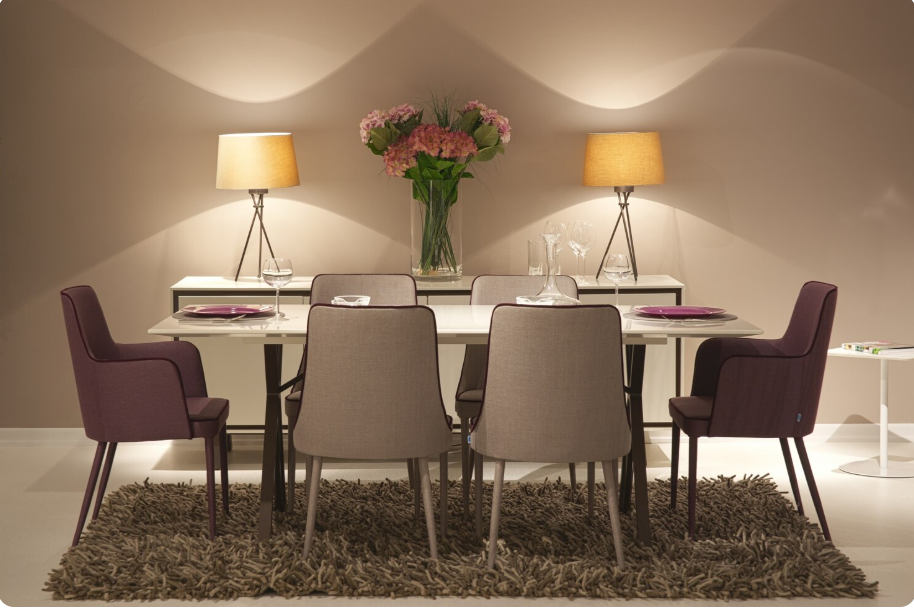
A table does not always need to be an exact match with your other furniture. In fact, mixing complementary pieces can create a more interesting interior.
Try matching one or more characteristics, such as:
- Wood tone
- Metal finish
- Color
- Shape
- Hardware
- Design style
For example, a walnut table can work well beside a neutral sofa even if the sofa does not contain walnut details. A black metal frame can also complement other black accents throughout the room.
Color and Finish Ideas
The finish you select should complement your existing interior palette.
Popular Choices
| Finish | Visual Effect |
|---|---|
| Natural wood | Warm and organic |
| Walnut | Rich and sophisticated |
| White | Bright and clean |
| Black | Modern and dramatic |
| Gray | Neutral and contemporary |
| Brass | Elegant and decorative |
| Espresso | Traditional and warm |
A contrasting finish can also be used intentionally to make the table stand out.
Common Mistakes to Avoid
Selecting a table based only on appearance can lead to practical problems.
Choosing the Wrong Height
A table that is too high or too low may be uncomfortable to use.
Ignoring Measurements
Always measure the available space before purchasing.
Overloading the Table
Too many objects can make a small tabletop look cluttered.
Forgetting Storage Needs
If you regularly need to hide small accessories, consider a design with drawers or cabinets.
Blocking Walking Paths
Furniture should not interfere with natural movement through the room.
Choosing a Conflicting Style
The table should complement the room rather than appear completely disconnected from the surrounding furniture.
Key Tips for Buying the Right Table
Before making your final selection, keep these points in mind:
- Measure the available space.
- Compare the table height with your seating.
- Determine how much tabletop space you need.
- Decide whether storage is important.
- Choose a durable material.
- Consider the room’s existing color palette.
- Match or complement nearby furniture finishes.
- Keep walking paths clear.
- Think about maintenance requirements.
- Prioritize everyday functionality.
Final Thoughts

A thoughtfully chosen side table can make a surprisingly significant difference in a home’s comfort and organization. It provides convenient surface space, additional storage, and an opportunity to introduce another stylish element into your interior.
Whether you prefer warm wood, sleek metal, elegant glass, or a combination of materials, there are designs suitable for almost every decorating style. The best choice will depend on your available space, seating height, storage requirements, and overall décor.
For small rooms, prioritize compact dimensions and multifunctional features. For larger spaces, you can experiment with wider designs, layered furniture arrangements, and more decorative finishes.
Ultimately, the ideal table should do more than fill an empty space. It should make your everyday environment more convenient while contributing to a comfortable, polished, and welcoming home.
Frequently Asked Questions
1. What is the purpose of a chairside table?
It provides a convenient surface beside a chair or sofa for items such as drinks, books, lamps, phones, remote controls, and decorative accessories.
2. How tall should a chairside table be?
The tabletop is generally most comfortable when it is close to the height of the chair or sofa arm. The exact height depends on the specific seating and how you intend to use the table.
3. What material is best for a chairside table?
Wood, metal, glass, and mixed materials can all work well. Wood offers warmth, metal provides a modern appearance, and glass can create a lighter visual effect.
4. Can a chairside table be used in a bedroom?
Yes. A compact design can work as a bedside table, especially in smaller bedrooms where a traditional nightstand may take up too much space.
5. How can I style a small chairside table?
Keep it simple with a small lamp, plant, decorative tray, books, or one personal accessory. Avoid overcrowding the surface so it remains practical and attractive.
Read more :DIY Projects