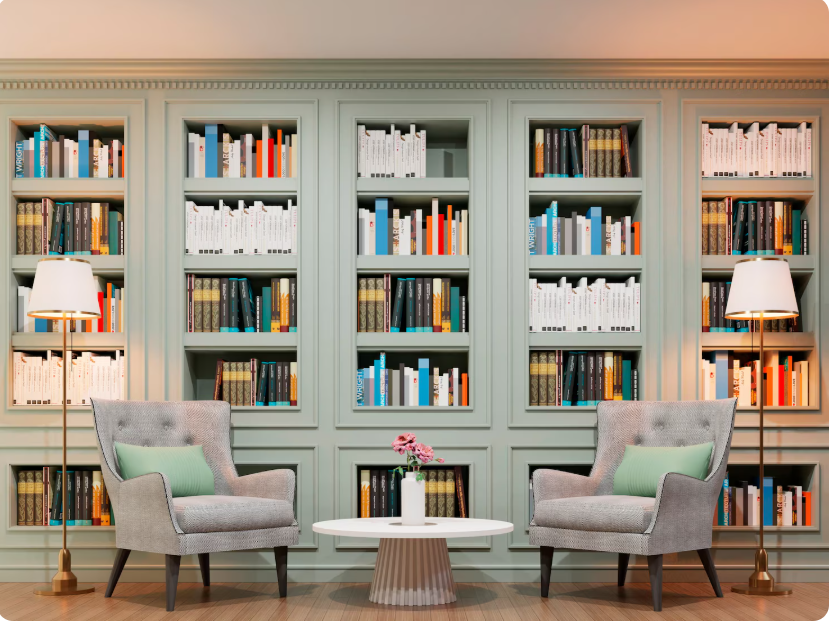
Bookshelves are a simple way to display books, photographs, plants, artwork, and decorative accessories. But when open shelving is combined with closed cabinets, the result becomes even more practical. This combination gives you a place to display the things you love while keeping clutter, paperwork, electronics, and everyday items hidden.
Bookshelves with cabinets can work beautifully in living rooms, home offices, bedrooms, libraries, entryways, and study areas. Modern storage designs often combine open and closed sections to create a balance between accessibility and a cleaner appearance.
Why Choose Bookshelves with Cabinets?
The biggest advantage is versatility. Open shelves make frequently used or decorative items easy to access, while cabinets provide concealed storage.
Key benefits include:
- Combines display and hidden storage
- Helps reduce visible clutter
- Makes use of vertical wall space
- Works in living rooms and home offices
- Can be customized for different room sizes
- Provides space for books and décor
- Creates a more organized appearance
- Can become a major design feature
Built-in shelving with cabinets can also transform an unused wall into functional storage and make a room feel more complete.
Where Can You Use Bookshelves with Cabinets?
These storage units are useful in almost every room.
Living Room
Use open shelves for books, artwork, plants, and decorative objects while keeping remotes, cables, games, and miscellaneous items inside the cabinets.
Home Office
A combination of shelves and cabinets is particularly useful for documents, books, office supplies, and equipment. Closed cabinets can hide less attractive items while open shelves keep frequently used books accessible.
Bedroom
A smaller unit can provide storage for books, accessories, photographs, and personal items without taking up too much floor space.
Home Library
Floor-to-ceiling shelving can create a dramatic library effect while cabinets at the bottom provide additional closed storage.
Entryway
A narrow bookshelf with lower cabinets can provide a place for books, baskets, accessories, and household items.
Open Shelves vs. Closed Cabinets
The best designs usually don’t need to choose between the two. Combining them creates a more balanced storage solution.
| Feature | Open Shelves | Closed Cabinets |
|---|---|---|
| Books | Excellent | Good |
| Décor | Excellent | Limited visibility |
| Paperwork | Visible | Excellent |
| Electronics | Easy access | Better for hiding cables |
| Everyday clutter | Less suitable | Excellent |
| Visual appearance | Open and airy | Clean and organized |
Open shelving works best for things you want to display, while cabinets are ideal for items you would rather keep out of sight. This combination is also widely used in contemporary home-office storage designs.
Popular Bookshelf and Cabinet Designs
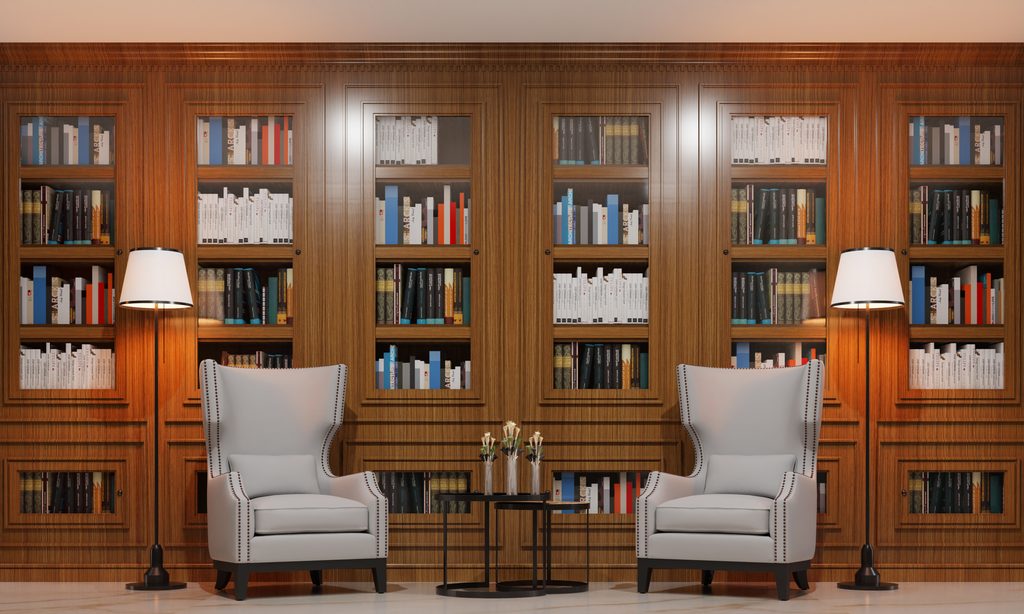
Floor-to-Ceiling Bookshelves
Floor-to-ceiling designs maximize vertical space and can make an entire wall feel purposeful.
They are especially effective in:
- Libraries
- Home offices
- Large living rooms
- Study rooms
You can place cabinets along the bottom and open shelving above.
Built-In Bookshelves with Lower Cabinets
This is one of the most practical arrangements.
The lower section can store items such as:
- Documents
- Toys
- Electronics
- Blankets
- Office supplies
- Board games
The upper shelves can then be reserved for books and décor.
Bookshelves Around a TV
A wall unit can combine a television with open shelving and closed cabinets.
Cabinets can hide wires, gaming equipment, media accessories, and other items while the surrounding shelves provide space for decoration. Modern living-room storage designs commonly use this approach to keep entertainment areas visually organized.
Glass-Door Cabinets
Glass doors provide a middle ground between completely open shelving and solid cabinets.
They are useful for displaying:
- Collections
- Special books
- Glassware
- Decorative objects
- Family keepsakes
They can also help protect displayed items from dust.
Corner Bookshelves with Cabinets
Corners are often underused. A corner storage unit can turn an awkward area into valuable storage without taking over the room.
Choosing the Right Material
The material affects appearance, durability, maintenance, and cost.
Common choices include:
- Solid wood
- Plywood
- MDF
- Veneer
- Laminated boards
- Metal and wood combinations
For home offices, materials such as plywood, MDF, and HDHMR are commonly used for furniture, with laminate, matte finishes, or veneer providing different appearance and maintenance characteristics.
Choose a material based on how frequently the furniture will be used and the style you want to create.
How to Choose the Right Size
Before buying or designing a bookshelf, measure the wall carefully.
Consider:
- Overall wall width
- Ceiling height
- Available floor space
- Shelf depth
- Cabinet door clearance
- Nearby windows and doors
- Electrical outlets
- Furniture already in the room
Don’t make the shelves unnecessarily deep if you mainly plan to store standard books and small décor.
In smaller rooms, a shallower unit can help maintain walking space and prevent the furniture from feeling overwhelming.
How to Style Bookshelves with Cabinets
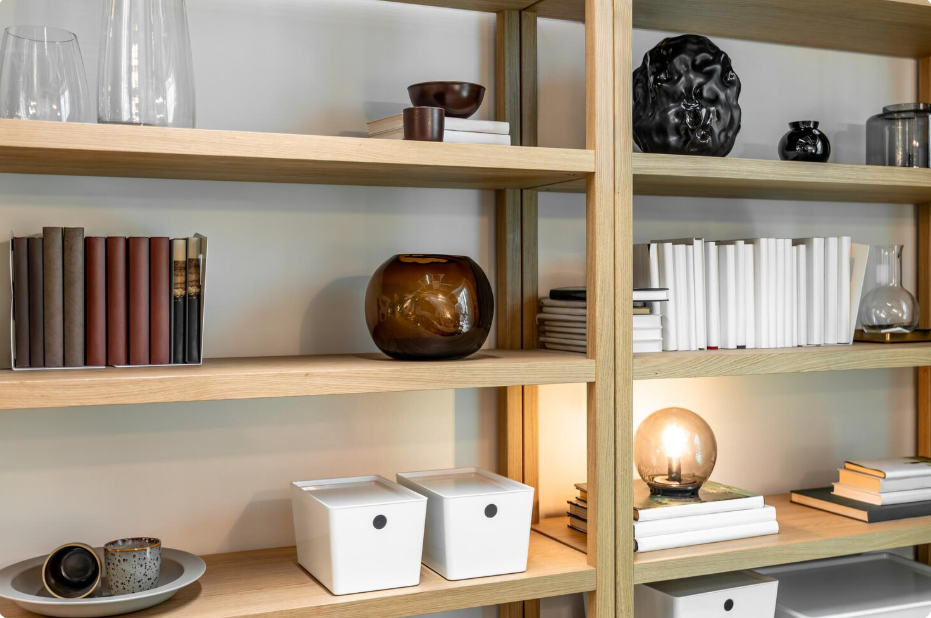
Good styling is about balance rather than filling every shelf.
Try combining:
- Books
- Small plants
- Framed photographs
- Decorative bowls
- Sculptures
- Baskets
- Candles
- Artwork
Mix vertical and horizontal stacks of books to create visual variety. Adding a few decorative objects between groups of books can also prevent the shelves from looking too repetitive.
Keep Some Empty Space
One common mistake is filling every available shelf.
Leaving some open space gives the arrangement room to breathe and helps individual objects stand out.
Best Colors for Bookshelves with Cabinets
The right color depends on the room and the overall atmosphere you want.
White
White creates a clean, bright appearance and works well in small rooms.
Natural Wood
Wood tones add warmth and work especially well with neutral interiors.
Black
Black shelving creates a dramatic, sophisticated appearance and works well in modern spaces.
Gray
Gray offers a softer alternative to black while maintaining a contemporary appearance.
Two-Tone Designs
Combining a wood finish with white, black, or another neutral color can create visual contrast.
How to Make a Small Room Feel Bigger
If your room is compact, choose a design that feels visually light.
Consider:
- Lighter colors
- Open shelving
- Glass doors
- Slim cabinet frames
- Integrated lighting
- Minimal decorative objects
- Floor-to-ceiling proportions
Wall-mounted or carefully integrated storage can also help keep the floor visually clear. Multipurpose storage is particularly valuable in small homes because it allows one area to serve several functions.
Built-In vs. Freestanding Bookshelves
Both options have advantages.
Built-In
Built-ins are designed specifically for your wall and can maximize available space.
Advantages:
- Custom dimensions
- Professional appearance
- Excellent use of wall space
- Can integrate desks, lighting, and cabinets
Consideration: They are less flexible if you later rearrange the room.
Freestanding
Freestanding units are easier to move and replace.
They are useful for renters or homeowners who frequently change furniture arrangements.
Common Mistakes to Avoid
Overfilling the Shelves
Too many books and accessories can make the unit look cluttered.
Ignoring Cabinet Storage
Don’t waste valuable cabinet space on items that could easily remain on open shelves.
Choosing Excessive Depth
Deep shelves can take up unnecessary floor space.
Forgetting Lighting
Integrated LED lighting can highlight books and décor while improving the overall atmosphere. Contemporary storage designs frequently use under-shelf or integrated lighting for this purpose.
Not Measuring First
Always measure the available wall and surrounding furniture before purchasing.
How to Organize the Cabinets
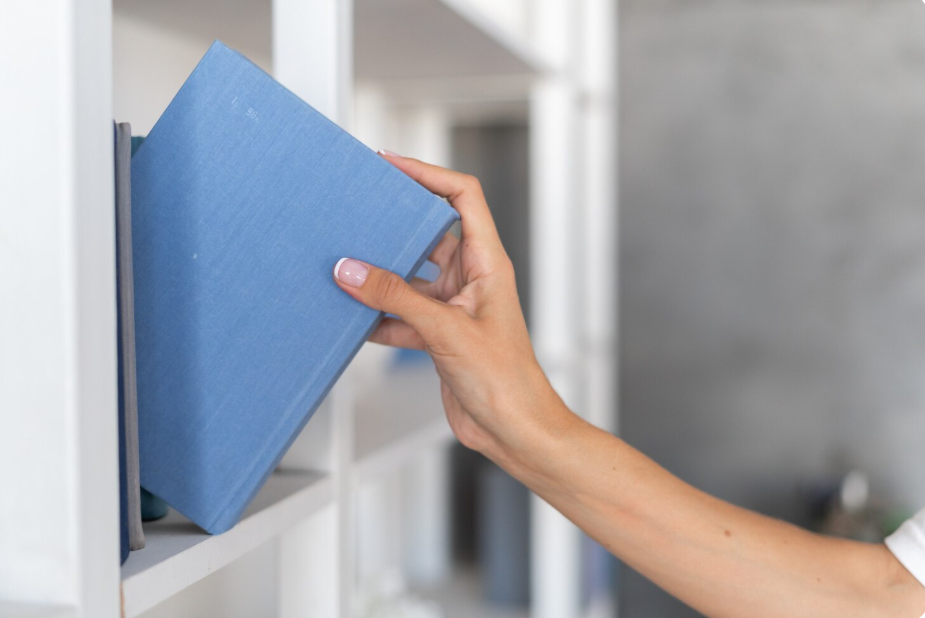
Closed cabinets are perfect for items that don’t need to be displayed.
You can store:
- Important documents
- Charging cables
- Office supplies
- Children’s items
- Games
- Extra electronics
- Cleaning accessories
- Seasonal decorations
Use baskets or storage boxes inside larger cabinets to keep smaller items organized.
Are Bookshelves with Cabinets Worth It?
Yes. They offer one of the most useful combinations of display and storage.
Instead of choosing between a bookcase and a cabinet, you can have both in one coordinated furniture solution. This is especially helpful when you need to keep everyday clutter hidden while still displaying books and personal décor.
For home offices, living rooms, and smaller spaces, this combination can make storage feel more intentional rather than simply adding another piece of furniture.
Final Thoughts
Bookshelves with cabinets offer a practical way to combine organization, storage, and interior design. Open shelves provide space for books and decorative pieces, while closed cabinets hide the items that can make a room look cluttered.
Whether you choose a modern freestanding unit, a full-wall built-in, a TV storage wall, or a compact home-office design, focus on the size, materials, storage needs, and overall style of your room.
With thoughtful planning and simple styling, a bookshelf with cabinets can become both a useful storage solution and an attractive focal point.
Frequently Asked Questions
Are bookshelves with cabinets good for small rooms?
Yes. They can make excellent use of vertical space while combining two storage functions in one unit. Choosing a slim design and lighter finish can help prevent the room from feeling crowded.
What should I put in the cabinets?
Use cabinets for items you want to keep hidden, such as paperwork, electronics, cables, toys, office supplies, and miscellaneous household items.
Should bookshelves with cabinets be built-in?
Not necessarily. Built-ins provide a customized appearance and maximize wall space, while freestanding furniture offers more flexibility if you move or rearrange your room.
How do I style open bookshelves?
Mix books with a few plants, photographs, artwork, and decorative objects. Vary the height and orientation of items and leave some empty shelf space for a cleaner appearance.
Can bookshelves with cabinets be used in a home office?
Absolutely. They can store books and display items on open shelves while keeping documents, cables, equipment, and office supplies hidden inside cabinets.
Read more :Waterproof Ceiling Tile Ideas for Moisture Prone Spaces