
dentist cost cleaning teeth is a common search query for people who want to understand how much a professional dental cleaning may cost and what they can expect during the appointment. Regular teeth cleaning is an important part of maintaining good oral hygiene because brushing and flossing at home cannot always remove hardened plaque and tartar.
The cost of a dental cleaning can vary depending on several factors, including the type of cleaning required, the condition of your teeth and gums, your location, the dental practice you visit, and whether you have dental insurance. Understanding these factors can help you plan for your appointment and avoid unexpected expenses.
What Is a Professional Teeth Cleaning?
A professional teeth cleaning is a dental procedure designed to remove plaque, tartar, and surface stains from the teeth. Even people who brush and floss regularly can develop deposits in areas that are difficult to clean at home.
During a routine cleaning, a dental professional generally examines the mouth and uses specialized instruments to remove accumulated deposits. The teeth may then be polished to remove some surface stains and leave them feeling smoother.
A routine cleaning is different from a more intensive periodontal cleaning. The appropriate procedure depends on your oral health and the condition of your gums.
How Much Does Teeth Cleaning Cost?
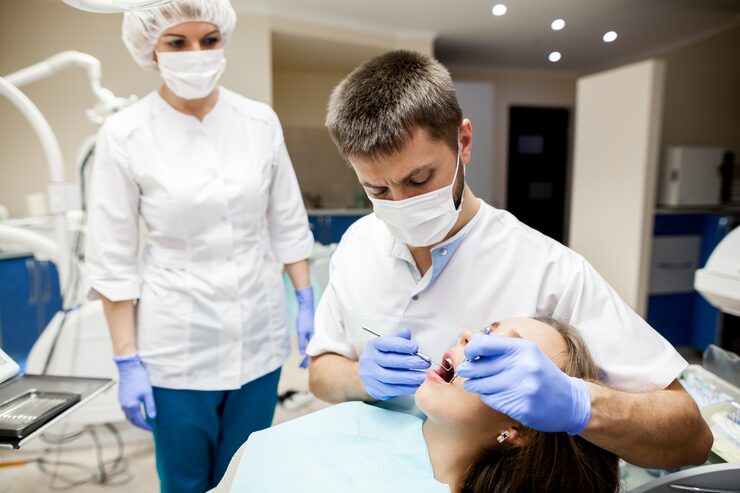
The cost of teeth cleaning does not have one fixed price. A routine cleaning at a general dental practice may be relatively affordable, while a deep periodontal cleaning can cost substantially more because it requires additional treatment and time.
Several factors influence the total price.
| Cost Factor | How It Can Affect Price |
|---|---|
| Type of Cleaning | Routine cleaning and periodontal cleaning have different costs |
| Location | Dental prices vary by city and region |
| Dental Practice | Individual practices may charge different rates |
| Oral Health | More extensive buildup may require additional treatment |
| Insurance | Your plan may cover some or all routine preventive care |
| Additional Procedures | X-rays, examinations, or other treatments may add to the bill |
| Number of Visits | More complex treatment may require multiple appointments |
Because prices vary, asking the dental office for an estimate before treatment can help you understand the expected cost.
Routine Dental Cleaning
Routine dental cleaning is generally intended for patients who have relatively healthy gums and do not require extensive periodontal treatment.
During a typical appointment, the dental professional may remove plaque and tartar from the teeth, clean around the gumline, polish the teeth, and provide recommendations for maintaining oral hygiene.
Regular cleanings are often scheduled periodically according to the patient’s oral health and the dentist’s recommendations.
Deep Teeth Cleaning
Deep cleaning is different from a standard preventive cleaning. It is commonly used when gum disease or significant buildup requires treatment below the gumline.
A deep cleaning may involve scaling and root planing. Scaling removes plaque and tartar, while root planing smooths the tooth root surfaces so that the gums can heal more effectively.
Because this procedure is more involved than a routine cleaning, it can take longer and may have a higher cost.
If your dentist recommends deep cleaning, ask what condition is being treated and why the procedure is necessary.
What Happens During a Dental Cleaning?
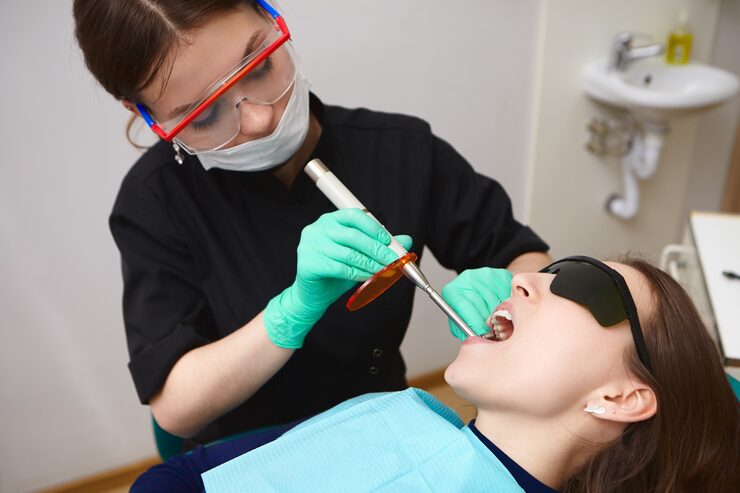
Knowing what happens during an appointment can make the process less stressful, particularly if you have not had a cleaning recently.
Oral Examination
The dental professional may first examine your teeth and gums. They may look for signs of cavities, gum problems, plaque accumulation, or other concerns.
Plaque and Tartar Removal
Specialized dental instruments are used to remove hardened deposits from the teeth. Tartar cannot usually be removed effectively with ordinary brushing at home.
Tooth Polishing
After deposits have been removed, the teeth may be polished. This can help remove some surface stains and create a smoother tooth surface.
Flossing
The dental professional may floss between the teeth to remove remaining debris and check the condition of the gums.
Oral Hygiene Advice
You may also receive recommendations about brushing, flossing, interdental cleaning, or other aspects of daily oral care.
Factors That Can Increase Dental Cleaning Costs
Some appointments cost more because additional work is required. Understanding these factors can help explain differences between dental estimates.
Heavy Tartar Buildup
Patients who have not had a professional cleaning for a long time may have more tartar accumulation. Removing extensive deposits can require additional time.
Gum Disease
Gum disease can require treatment beyond a regular cleaning. If the dentist identifies periodontal problems, additional procedures may be recommended.
Multiple Appointments
Some types of periodontal treatment may be completed over more than one appointment. Multiple visits can increase the overall cost.
Dental X-Rays
X-rays are not necessarily part of every cleaning appointment. However, a dentist may recommend them when appropriate for evaluating areas that cannot be seen during a regular examination.
Dental Examination
A comprehensive dental examination may be billed separately from the cleaning depending on the dental practice and appointment type.
Does Dental Insurance Cover Teeth Cleaning?
Many dental insurance plans provide coverage for preventive dental services, and routine cleanings may be included in those benefits. However, coverage varies considerably between insurance plans.
Before your appointment, check your plan’s benefits or contact your insurance provider. Important questions include:
- How often are routine cleanings covered?
- Is there a deductible?
- Is the dentist in the insurance network?
- Are X-rays covered?
- Is deep cleaning covered differently?
- Are there annual benefit limits?
- Will you have a copayment?
Understanding your coverage beforehand can help prevent surprises when you receive the bill.
Dental Cleaning Without Insurance
People without dental insurance can still receive professional teeth cleaning, but they are generally responsible for the full cost.
If you do not have insurance, ask the dental office about its cash price or self-pay rate. Some practices offer different pricing for preventive services or have membership programs for patients without traditional insurance.
Dental schools may also offer certain services at reduced prices because students perform procedures under professional supervision. Availability and eligibility vary by school.
How to Save Money on Teeth Cleaning
Dental care does not necessarily have to be expensive. Several strategies may help reduce your out-of-pocket costs.
Compare Local Dental Practices
Prices can vary between dental offices. Calling several practices and asking for their standard cleaning rates can give you a better understanding of local pricing.
Check Insurance Benefits
If you have dental insurance, confirm your preventive benefits before scheduling your appointment.
Ask About Payment Options
Some dental practices offer payment plans, membership programs, or discounts for patients paying directly.
Maintain Good Oral Hygiene
Regular brushing and flossing can help reduce plaque buildup and support healthier gums. Good home care does not replace professional dental visits, but it can help maintain oral health between appointments.
Why Regular Teeth Cleaning Matters
Professional dental cleaning is not simply about making teeth look cleaner. It is also part of preventive oral care.
Plaque is a sticky film that develops on teeth. If it is not removed effectively, it can harden into tartar. Tartar can be difficult to remove with a toothbrush and may contribute to gum problems.
Regular professional cleanings allow dental professionals to remove deposits that home care cannot always eliminate. Dental appointments can also provide an opportunity to identify potential problems early.
How Often Should You Get Your Teeth Cleaned?
There is no single cleaning schedule that works for everyone. Some people may benefit from routine cleanings approximately twice a year, while others with certain dental or periodontal concerns may need more frequent visits.
Your dentist or dental hygienist can recommend a schedule based on your oral health, history, risk factors, and existing conditions.
It is better to follow an individualized recommendation rather than assuming that everyone needs exactly the same number of appointments each year.
Routine Cleaning vs. Deep Cleaning
Understanding the difference between these procedures is important when comparing prices.
| Feature | Routine Cleaning | Deep Cleaning |
|---|---|---|
| Main Purpose | Preventive maintenance | Treatment of periodontal problems |
| Typical Area | Above and around the gumline | Above and below the gumline |
| Complexity | Usually less extensive | More involved |
| Appointment Time | Generally shorter | May require more time |
| Cost | Usually lower | Usually higher |
| Number of Visits | Often one appointment | May require multiple visits |
If a dentist recommends deep cleaning, do not automatically choose a routine cleaning simply because it costs less. Ask the dentist to explain the diagnosis and treatment recommendation.
Questions to Ask Your Dentist About Cleaning Costs
Before beginning treatment, asking a few questions can make the financial side of dental care clearer.
Consider asking:
- How much will the cleaning cost?
- Is the examination included?
- Are X-rays necessary?
- Does my insurance cover this procedure?
- Is this a routine cleaning or periodontal treatment?
- Will I need more than one appointment?
- Are there additional fees?
- What payment options are available?
- What can I do at home to maintain my oral health?
Clear communication can help you make an informed decision.
What to Expect After a Dental Cleaning
Most routine cleanings are straightforward, but some people may notice temporary sensitivity afterward, especially if they have significant tartar buildup or sensitive teeth.
Following your dental professional’s recommendations can help you maintain the results of the cleaning. Continue brushing regularly, clean between your teeth, and follow any personalized instructions provided during the appointment.
If you experience significant or persistent discomfort after a procedure, contact your dental office for guidance.
How to Prepare for a Dental Cleaning
Preparing for a routine cleaning is usually simple. Continue your normal oral hygiene routine before your appointment. Make sure the dental office knows about relevant medications, allergies, dental concerns, or changes in your oral health.
If you are concerned about cost, discuss pricing before treatment begins. Ask whether the quoted amount covers the cleaning only or includes an examination, X-rays, or other services.
Being upfront about your budget can also help the dental team explain available options.
Choosing a Dentist for Affordable Cleaning
Price is important, but it should not be the only factor when selecting a dental provider. Look for a practice that clearly explains its services, fees, treatment recommendations, and payment policies.
Consider the dentist’s qualifications, office environment, patient communication, appointment availability, and whether the practice accepts your insurance if applicable.
A low advertised price may not represent the final cost if additional services are required, so always ask what is included in the quoted fee.
Final Thoughts
Understanding dentist cost cleaning teeth can help you budget for preventive dental care and make better decisions about your oral health. The price of a cleaning depends on the type of procedure, the condition of your teeth and gums, location, insurance coverage, and whether additional services are needed.
Routine professional cleaning can help remove plaque and tartar that are difficult to eliminate at home. More extensive periodontal cleaning may be recommended when gum disease or significant buildup is present.
Before scheduling an appointment, ask the dental office for a clear estimate and confirm what is included. Combined with consistent brushing, flossing, and regular dental checkups, professional cleaning can be an important part of maintaining healthy teeth and gums.
FAQs
1. How much does a basic teeth cleaning cost?
The cost varies by location, dental practice, insurance coverage, and the type of cleaning required. Contacting a local dental office for a current estimate is the most reliable way to determine the price.
2. Is teeth cleaning covered by dental insurance?
Many dental insurance plans provide benefits for preventive cleanings, but coverage differs between plans. Check your specific policy before your appointment.
3. What is the difference between regular and deep cleaning?
Regular cleaning is generally preventive and focuses on removing plaque and tartar from accessible tooth surfaces. Deep cleaning is a more extensive periodontal treatment that may involve cleaning below the gumline.
4. How often should I have my teeth professionally cleaned?
The recommended frequency depends on your oral health. Many people have periodic routine cleanings, while people with certain dental or gum conditions may need them more frequently.
5. Can I clean tartar from my teeth at home?
Brushing and flossing can help prevent plaque buildup, but hardened tartar generally requires professional removal. Avoid trying to scrape tartar off yourself with sharp objects because this can damage your teeth or gums.
One thought on “Dentist Cost Cleaning Teeth: What You Should Know Before Your Appointment”