
Maintaining a fresh and organized environment requires more than occasional tidying. Whether you are caring for a family home, managing an office, preparing a rental property, or maintaining a commercial space, all clean solutions can help create a more comfortable and presentable environment. A consistent approach combines regular maintenance, detailed cleaning, smart organization, and professional support when necessary.
Why a Consistent Cleaning Routine Matters
A clean environment can make everyday activities more comfortable and efficient. Dust, dirt, food particles, stains, and clutter naturally accumulate when spaces are used regularly. Without a routine, small cleaning tasks can quickly become larger jobs.
Regular maintenance helps prevent buildup and makes deeper cleaning easier. Instead of waiting until every room requires extensive attention, a structured schedule divides responsibilities into manageable tasks.
A good cleaning routine should consider:
- Frequently used rooms
- High-touch surfaces
- Floors and carpets
- Kitchens and bathrooms
- Windows and glass
- Furniture and upholstery
- Storage areas
- Outdoor or entrance areas
The exact routine depends on the size and purpose of the property.
Daily Cleaning Habits for a Better Environment
Small daily habits can have a significant impact on overall cleanliness. These tasks generally take only a few minutes but can prevent larger problems later.
Keep Surfaces Clear
Clutter makes cleaning more difficult because surfaces become harder to access. Returning items to their proper places after use allows dusting and wiping to be completed quickly.
A simple habit is to spend several minutes at the end of each day putting away items that have been left out.
Deal With Spills Quickly
Liquid and food spills can become stains if they are ignored. Some substances can also damage certain materials when left on surfaces for extended periods.
Cleaning spills immediately is usually easier than attempting to remove dried residue later.
Maintain Kitchen Areas
The kitchen often requires frequent attention because it is exposed to food, grease, moisture, and spills.
After preparing meals, wipe counters, clean cooking surfaces, wash dishes, and remove food waste. Keeping the sink and surrounding areas clean can also make the entire kitchen feel fresher.
Weekly Cleaning Tasks
Some areas do not require attention every day but should still be included in a regular weekly schedule.
Typical weekly tasks may include:
- Vacuuming carpets and rugs
- Mopping hard floors
- Dusting furniture
- Cleaning mirrors
- Washing bathroom surfaces
- Changing bed linens
- Cleaning kitchen appliances
- Emptying bins
- Wiping doors and handles
- Removing accumulated clutter
A weekly routine is especially useful for homes with children, pets, or high foot traffic.
Deep Cleaning and Why It Is Important
Routine cleaning focuses on maintenance, while deep cleaning addresses areas that are less frequently cleaned.
Deep cleaning may include baseboards, cabinet interiors, behind furniture, window frames, grout, vents, light fixtures, and other hard-to-reach locations.
It is useful before or after major events, seasonal changes, moving into a new property, or preparing a property for new occupants.
| Cleaning Approach | Main Purpose | Common Examples |
|---|---|---|
| Daily maintenance | Control everyday mess | Wiping counters, dishes, tidying |
| Weekly cleaning | Maintain general condition | Vacuuming, mopping, bathrooms |
| Deep cleaning | Address accumulated dirt | Grout, baseboards, fixtures |
| Move-in cleaning | Prepare a property | Detailed room cleaning |
| Move-out cleaning | Leave a property presentable | Kitchen, bathrooms, floors |
| Commercial cleaning | Maintain business premises | Offices, entrances, shared spaces |
Combining these levels of cleaning can create a more sustainable maintenance system.
Choosing Professional Cleaning Support

Some cleaning projects require more time, equipment, or expertise than a household can comfortably provide. Professional cleaners can be useful when schedules are busy or when a property needs detailed attention.
Before hiring a provider, consider the scope of work rather than focusing only on the advertised price.
Check the Service List
Ask what tasks are included. A basic package may not include ovens, refrigerators, interior windows, cabinets, upholstery, or other specialized areas.
Knowing the exact service list helps prevent misunderstandings.
Compare Pricing
Cleaning costs can depend on property size, room count, condition, frequency, and requested services.
Some companies charge hourly rates, while others provide estimates based on the property and scope of work.
Requesting a clear quote before work begins makes budgeting easier.
Consider Reliability
Punctuality and communication are important when allowing a cleaning professional into a home or business.
Look for providers who communicate clearly, confirm appointments, explain their services, and respond appropriately to questions.
Factors That Affect Cleaning Costs
There is no universal price for every cleaning project. The amount of work required can vary significantly.
Important factors include:
- Size of the property
- Number of rooms
- Number of bathrooms
- Frequency of service
- Condition of the space
- Type of cleaning requested
- Amount of clutter
- Special surfaces or materials
- Additional services
- Number of cleaners required
| Factor | Potential Effect on Work |
|---|---|
| Larger property | More rooms and surfaces to clean |
| Heavy buildup | Additional time and effort |
| Deep cleaning | More detailed tasks |
| Recurring service | Regular maintenance requirements |
| Special surfaces | May require specific techniques |
| Additional rooms | Greater labor requirements |
Customers should discuss these factors when requesting an estimate.
Cleaning Kitchens More Effectively
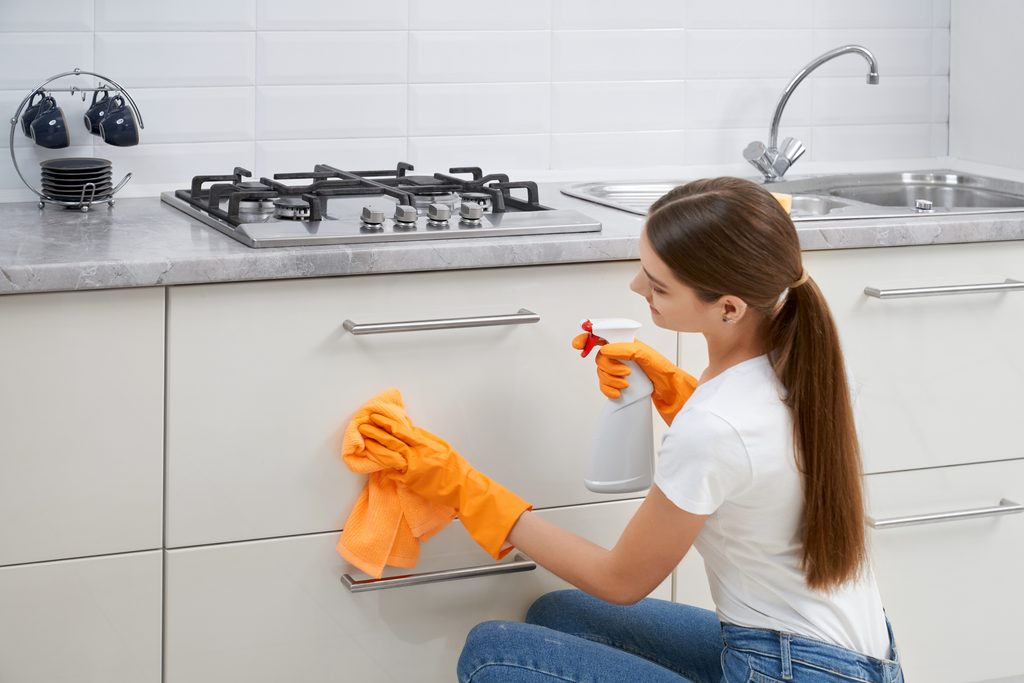
The kitchen is one of the busiest areas in many homes and businesses. Grease, food particles, moisture, and frequent handling make it especially important to maintain
Important Kitchen Areas
Pay attention to countertops, sinks, stovetops, cabinet handles, appliance surfaces, floors, and backsplashes.
Do not overlook areas around appliances. Crumbs and grease can collect underneath and behind equipment.
Maintain Appliances
Refrigerators, ovens, microwaves, and other appliances benefit from regular cleaning. Food residue can create unpleasant odors and become increasingly difficult to remove.
Always follow the manufacturer’s care instructions for appliances and delicate surfaces.
Keeping Bathrooms Hygienic
Bathrooms require consistent maintenance because moisture and frequent use can contribute to residue and buildup.
Regularly clean toilets, sinks, showers, tubs, mirrors, faucets, floors, and frequently touched surfaces.
Ventilation also matters. Good airflow can help reduce excessive moisture and keep the room more comfortable.
Areas around grout and fixtures may require additional attention during deep cleaning sessions.
Floor and Carpet Maintenance
Different flooring materials require different cleaning approaches.
Hard floors may need sweeping, vacuuming, and appropriate mopping. Carpets require regular vacuuming to remove surface debris and may occasionally need deeper treatment.
Avoid using products that are unsuitable for specific flooring materials. Hardwood, natural stone, laminate, tile, and vinyl can each have different maintenance requirements.
Regular care can help preserve appearance and reduce the need for intensive restoration.
Maintaining Offices and Commercial Spaces
Workplaces often require cleaning schedules that match employee activity and customer traffic.
A busy office may need frequent attention to reception areas, restrooms, meeting rooms, kitchens, floors, and shared surfaces.
High-touch areas can include:
- Door handles
- Light switches
- Reception counters
- Shared desks
- Conference tables
- Elevator buttons
- Kitchen appliances
- Restroom fixtures
A consistent commercial cleaning schedule can help maintain a professional appearance and make the workplace more comfortable for employees and visitors.
Cleaning After Moving or Renovating
Moving and renovation projects often create significant dust and debris. A property may appear clean at first glance while still containing construction dust in corners, cabinets, vents, and other areas.
A detailed post-project cleaning can include floors, windows, surfaces, fixtures, cabinets, and other affected areas.
For move-in situations, cleaning before furniture arrives can make the process easier because rooms are more accessible.
Environmentally Responsible Cleaning
Many customers are increasingly interested in cleaning practices that reduce unnecessary waste and harsh chemical use.
Environmentally responsible cleaning may involve appropriate product selection, reusable materials, efficient water use, and responsible disposal.
However, environmentally friendly does not automatically mean suitable for every surface. Products should still be selected according to the material being cleaned and the type of contamination involved.
Common Cleaning Mistakes to Avoid
Even regular cleaning can be ineffective if certain mistakes are repeated.
Using Too Much Product
More cleaning solution does not necessarily mean better results. Excess product can leave residue and may damage some surfaces.
Follow product instructions carefully.
Ignoring High-Touch Areas
People often focus on floors and visible surfaces while forgetting handles, switches, remotes, and other frequently touched objects.
These areas should be included in the routine.
Mixing Cleaning Chemicals
Different products should not be mixed unless the manufacturer specifically states that they are compatible. Some combinations can produce dangerous fumes.
Always read labels and follow safety instructions.
Cleaning Without Decluttering
Trying to clean around excessive clutter wastes time and can leave areas untouched.
A quick organization step before cleaning can make the process much more efficient.
Creating a Practical Cleaning Schedule
A schedule does not need to be complicated. Divide tasks according to frequency.
For example:
Daily: dishes, kitchen surfaces, spills, clutter, and frequently used areas.
Weekly: floors, bathrooms, dusting, linens, and general surface cleaning.
Monthly: appliances, windows, storage areas, and less frequently used spaces.
Seasonally: deep cleaning, behind furniture, cabinets, vents, and other neglected areas.
This approach prevents cleaning responsibilities from becoming overwhelming.
Key Points to Remember
- Consistency is more effective than occasional intensive cleaning.
- Address spills and stains quickly.
- Keep frequently used surfaces free of clutter.
- Include high-touch areas in regular cleaning routines.
- Use products appropriate for specific materials.
- Deep clean areas that are not covered by routine maintenance.
- Compare professional cleaning services based on scope, reliability, and value.
- Ask for clear pricing before scheduling major work.
- Maintain proper ventilation in moisture-prone areas.
- Create a cleaning schedule that fits the property’s actual use.
Final Thoughts
A clean property does not happen by accident. It comes from consistent habits, sensible organization, appropriate cleaning methods, and professional assistance when necessary. Whether you are maintaining a family home, preparing a property for new occupants, or managing a busy workplace, having a structured approach makes cleaning more manageable.
The most effective strategy is to combine small daily habits with weekly maintenance and occasional deep cleaning. When a project becomes too demanding, a professional service can provide additional support. By understanding the needs of each space and choosing suitable cleaning methods, you can maintain a fresher, more comfortable, and well-organized environment throughout the year.
Frequently Asked Questions
1. How often should a home be professionally cleaned?
The ideal frequency depends on household size, lifestyle, pets, children, and personal preferences. Some households benefit from weekly service, while others may only need professional help occasionally.
2. What is included in a typical cleaning service?
Services commonly include dusting, vacuuming, mopping, bathroom cleaning, kitchen surface cleaning, and general maintenance. Specific tasks vary between providers, so it is important to confirm the service list before booking.
3. When is deep cleaning necessary?
Deep cleaning is useful when dirt and buildup have accumulated in areas that are not addressed during routine cleaning. It can also be helpful before moving, after renovations, or during seasonal maintenance.
4. How can I keep my home clean between professional appointments?
Simple habits such as wiping spills immediately, controlling clutter, cleaning kitchen surfaces after use, vacuuming regularly, and keeping bathrooms ventilated can help maintain cleanliness between appointments.
5. Is professional cleaning suitable for offices and businesses?
Yes. Professional cleaning can be adapted for offices, retail spaces, rental properties, and other commercial environments. The schedule can be adjusted according to business hours, foot traffic, and the size of the premises.