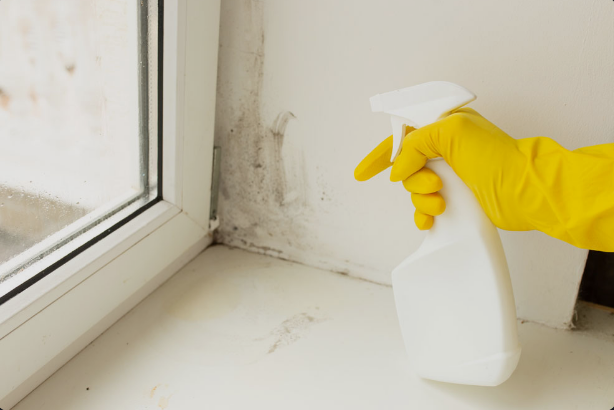
Mold can appear in bathrooms, kitchens, basements, closets, walls, fabrics, and other areas where moisture remains for long periods. When people discover mold, they often look for household products that might help remove it quickly. One common question is will alcohol kill mold and whether rubbing alcohol or another type of alcohol can be used as a practical cleaning solution. Alcohol can affect some types of mold, particularly on certain hard, nonporous surfaces, but its effectiveness depends on the type of alcohol, concentration, surface, amount of mold present, and whether the underlying moisture problem has been corrected.
Understanding what alcohol can and cannot do is important before using it as a mold treatment. Simply killing some mold organisms on a surface does not necessarily remove mold contamination. Mold can leave behind particles, stains, and organic material even after treatment. Effective mold control generally requires both physical removal and moisture management.
How Alcohol Affects Mold
Alcohol can damage microorganisms by disrupting cellular structures and proteins. Certain alcohol-based cleaning products may therefore reduce or kill some microorganisms on appropriate surfaces.
However, mold is more complicated than bacteria or viruses because it can grow through materials and produce spores. Surface treatment does not automatically eliminate mold that has penetrated porous materials.
The effectiveness of alcohol can also vary according to concentration. A product that contains alcohol is not necessarily suitable for mold removal simply because alcohol has antimicrobial properties. The formulation, contact time, surface condition, and type of contamination all matter.
Does Rubbing Alcohol Kill Mold?
Rubbing alcohol commonly contains isopropyl alcohol at a concentration designed for household or medical cleaning purposes. It can affect mold on some hard surfaces, particularly when the contamination is limited and superficial.
However, rubbing alcohol should not be considered a universal mold remover. It may not reach mold growing beneath porous materials such as drywall, untreated wood, carpet padding, insulation, or ceiling materials.
If mold has spread into a material, wiping the visible surface with alcohol may leave contamination underneath. In these situations, removing or professionally treating the affected material may be necessary.
Alcohol Does Not Solve the Moisture Problem
One of the most important facts about mold control is that moisture is usually the underlying problem.
Mold can develop when materials remain damp because of leaks, condensation, flooding, high indoor humidity, poor ventilation, or plumbing problems. If the moisture source remains, mold can return after cleaning.
For example, wiping a moldy bathroom surface with an alcohol-based product may temporarily reduce surface contamination. If the bathroom continues to experience excessive humidity and poor ventilation, new mold growth may appear.
Correcting the moisture source is therefore a critical part of long-term mold prevention.
Hard Surfaces Versus Porous Materials
The type of material affected by mold makes a major difference.
Hard, nonporous surfaces are generally easier to clean because contamination remains closer to the surface. Examples can include certain types of tile, glass, metal, and finished surfaces.
Porous materials are more difficult because mold can grow into their structure. Drywall, insulation, untreated wood, carpet, upholstery, and some ceiling materials may retain moisture and biological material beneath the visible surface.
Alcohol may be more useful for limited surface contamination than for mold that has deeply penetrated porous materials.
Why Simply Killing Mold Is Not Enough
Mold removal involves more than killing living organisms. Dead mold material can still remain on a surface, and physical contamination may continue to require removal.
Mold spores can also become airborne when contaminated material is disturbed. This is one reason aggressive scrubbing, sanding, or brushing can sometimes spread contamination rather than solve it.
Cleaning should therefore focus on safely removing contamination from appropriate surfaces rather than relying solely on a chemical treatment.
Safety Considerations When Using Alcohol
Alcohol is flammable, so it should be kept away from flames, sparks, cigarettes, gas appliances, and other ignition sources. Adequate ventilation is also important when using alcohol-based cleaning products.
Never mix alcohol with other cleaning chemicals unless the product label specifically indicates that the combination is safe. Combining household chemicals can produce dangerous vapors or unexpected reactions.
Gloves can help protect the skin during cleaning, while appropriate eye protection may be useful when splashing is possible. If significant mold contamination is present, additional protective measures may be necessary.
When Alcohol May Be Considered
Alcohol may be considered for small amounts of surface contamination on suitable hard, nonporous materials when the product is compatible with the surface.
Before applying any cleaning product, check the manufacturer’s instructions for both the cleaning product and the material being cleaned. Some finishes, plastics, paints, coatings, adhesives, and other materials can be damaged by alcohol.
Testing an inconspicuous area can help determine whether discoloration or surface damage occurs.
When Alcohol Is Not a Good Solution
Alcohol is generally not a substitute for proper remediation when mold is widespread, persistent, or growing inside porous building materials.
If mold covers a large area, repeatedly returns, or is associated with significant water damage, a more comprehensive approach may be necessary.
Professional assistance can be particularly useful when contamination involves extensive building materials, hidden moisture, difficult-to-access areas, or complex water damage.
Identifying the Source of Mold
Before cleaning, try to understand why mold appeared.
Common moisture sources include leaking pipes, roof leaks, damaged windows, condensation, appliance leaks, plumbing failures, flooding, and inadequate ventilation.
Bathrooms can develop mold when warm moisture accumulates after showers. Kitchens can experience condensation around sinks, appliances, and poorly ventilated cooking areas. Basements may develop mold because of groundwater intrusion, leaks, or high humidity.
Finding the source helps prevent repeated growth.
Improving Indoor Humidity
Controlling humidity is an important part of mold prevention. Indoor humidity that remains high for extended periods can encourage mold growth, especially in poorly ventilated rooms.
Ventilation, exhaust fans, air conditioning, and dehumidification can help manage moisture depending on the building and climate.
Bathrooms should have adequate ventilation during and after showers. Kitchens should also have effective ventilation when cooking produces steam.
A humidity monitor can provide useful information about indoor conditions and help identify rooms where moisture levels remain elevated.
Cleaning Small Areas Carefully
For a small area of surface mold, the first priority is to avoid unnecessarily spreading contamination.
Wear suitable protective equipment, provide ventilation, and follow the instructions on the selected cleaning product. Remove visible contamination using an appropriate cleaning method for the surface.
Do not aggressively disturb moldy material if doing so could spread particles throughout the room.
After cleaning, the affected area should be dried thoroughly. Leaving the surface damp can encourage mold to return.
Mold on Wood
Wood requires particular attention because its porosity varies.
Finished wood may be easier to clean when mold is only present on the surface. Untreated or heavily contaminated wood can be more difficult because mold may penetrate deeper into the material.
Alcohol may affect surface organisms, but it does not necessarily restore damaged or deeply contaminated wood.
If wood has experienced prolonged moisture exposure, it may need drying, cleaning, repair, or replacement depending on its condition.
Mold on Drywall
Drywall can be difficult to remediate because its interior paper layer is porous. If mold growth has penetrated drywall, simply treating the visible surface may not address the entire problem.
Water-damaged drywall may also remain a source of moisture if it is not properly dried.
For extensive contamination or significant water damage, professional assessment may be appropriate.
Mold in Bathrooms
Bathrooms are among the most common locations for visible mold because showers and baths create moisture.
Improving ventilation can make a major difference. Exhaust fans should be used appropriately, and wet surfaces should be allowed to dry.
Leaks around sinks, toilets, tubs, and showers should be repaired promptly. Mold around caulking may also indicate that the material needs cleaning or replacement.
Alcohol may be useful in limited circumstances on compatible surfaces, but it should not replace moisture control.
Preventing Mold From Returning
The most effective mold strategy is prevention.
Keep moisture under control, repair leaks quickly, dry water-damaged materials, maintain ventilation, and avoid allowing condensation to remain on surfaces.
Regular inspections can also help identify problems before they become extensive. Check areas around plumbing, windows, roofs, HVAC systems, appliances, and other potential moisture sources.
When mold is repeatedly returning to the same location, focus on identifying the reason rather than repeatedly cleaning the visible growth.
When to Seek Professional Help
Professional assistance may be appropriate when mold contamination is extensive, keeps returning, involves hidden areas, or follows significant water damage.
People with respiratory sensitivities may also need to take additional precautions when mold is present. If occupants experience concerning symptoms around a mold-contaminated environment, discussing the situation with an appropriate healthcare professional can be useful.
A qualified mold remediation professional can assess the affected area and determine what materials need cleaning, drying, removal, or replacement.
Common Mistakes to Avoid
One common mistake is assuming that any alcohol-based product will eliminate all mold. Alcohol’s effectiveness varies, and it is not a universal solution.
Another mistake is ignoring the moisture source. Even successful surface cleaning will not prevent recurrence if the area remains damp.
Using excessive amounts of flammable alcohol is another safety concern. More product does not necessarily mean better mold control.
Finally, disturbing heavily contaminated materials without appropriate precautions can spread mold particles into the surrounding environment.
Final Thoughts
So, will alcohol kill mold? Alcohol can affect some mold on certain suitable hard surfaces, but it should not be viewed as a complete solution for mold problems. Mold control depends on the type and extent of contamination, the affected material, safe cleaning practices, and most importantly, controlling the moisture that allowed the mold to grow. For small surface problems, an appropriate cleaning method may be sufficient, while extensive or deeply embedded contamination may require removal of affected materials or professional remediation. Taking care of leaks, humidity, ventilation, and water damage is the most important step toward preventing mold from returning.
Frequently Asked Questions
Can rubbing alcohol remove mold from hard surfaces?
Rubbing alcohol may help reduce or kill some surface mold on compatible hard, nonporous materials. However, the surface should still be cleaned appropriately, and the moisture source should be corrected.
Does alcohol kill mold spores?
Alcohol can affect microorganisms, but its effectiveness against mold spores depends on several factors, including the type of alcohol, concentration, contact time, and surface. It should not be assumed to eliminate all mold spores.
Can I use alcohol on drywall to remove mold?
Drywall is porous, so surface treatment may not address mold that has penetrated the material. Heavily contaminated or water-damaged drywall may require removal or professional assessment.
Why does mold come back after cleaning?
Mold commonly returns when the underlying moisture problem remains. Leaks, condensation, high humidity, flooding, and poor ventilation can continue creating conditions that support mold growth.
Is alcohol safe to use for mold cleaning?
Alcohol is highly flammable and should be used carefully in a well-ventilated area away from ignition sources. Always follow the product label and avoid mixing it with other cleaning chemicals unless specifically directed.