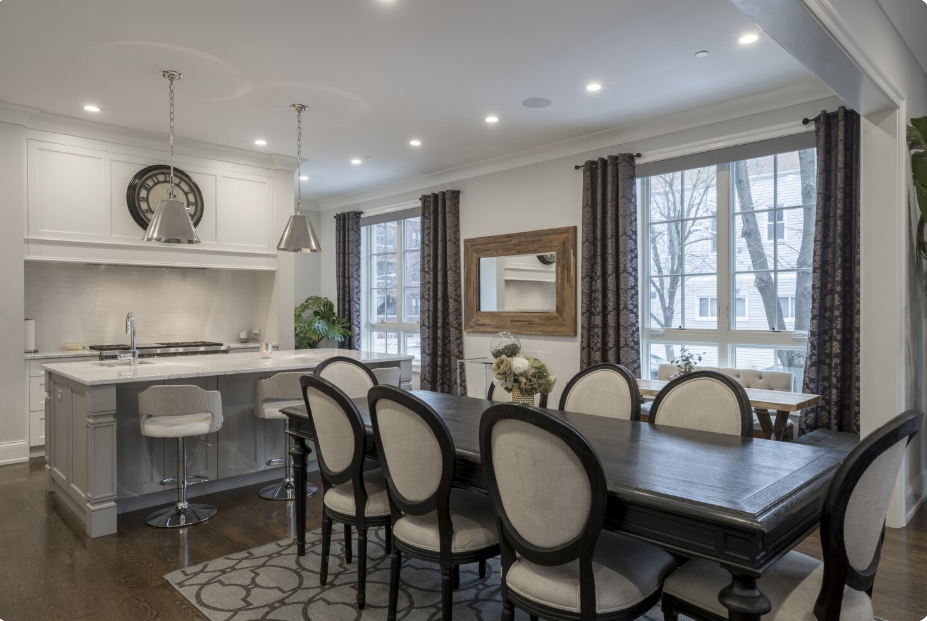
Choosing the right seating can make a major difference in the comfort, appearance, and functionality of a dining area. Counter height dining room chairs are an increasingly popular option for homeowners who want a more casual and elevated dining experience. Designed to work with counter-height tables and dining surfaces, these chairs can provide a stylish alternative to traditional dining chairs.
Counter-height seating can work particularly well in open-concept homes, kitchens, dining areas, breakfast spaces, and entertaining areas. Their slightly taller profile creates a relaxed atmosphere while making it easier to transition between the kitchen and dining spaces.
Whether you are furnishing a new home, updating your dining room, or replacing older chairs, selecting the right counter-height seating involves more than choosing an attractive design. You should also consider chair height, comfort, materials, durability, style, and how the chairs will coordinate with your existing furniture.
What Are Counter Height Dining Room Chairs?
Counter-height dining chairs are seating pieces designed to pair with counter-height tables or surfaces. They are generally taller than standard dining chairs but shorter than traditional bar stools.
This makes them useful when you want an elevated seating arrangement without the height of a full bar setup.
Key benefits include:
- Creates a casual and modern dining environment
- Works well with counter-height tables
- Offers comfortable elevated seating
- Can complement kitchen and dining areas
- Available in many styles and materials
- Suitable for everyday meals and entertaining
- Can help connect kitchen and dining spaces
- Available with backs, arms, cushions, and upholstered seats
Before purchasing, always check the table or counter height and compare it with the chair’s seat height. The goal is to leave enough space between the seat and tabletop for comfortable legroom.
Counter Height vs. Standard Dining Height
Understanding the difference between seating heights is one of the most important steps when choosing dining chairs.
Standard dining tables are generally lower, while counter-height tables are taller. Bar-height furniture is taller still.
| Seating Type | Typical Seat Height | Common Use |
|---|---|---|
| Standard dining chair | Around 17–19 inches | Traditional dining tables |
| Counter-height chair | Around 24–27 inches | Counter-height tables |
| Bar-height stool | Around 28–32 inches | Bar-height counters |
Exact measurements can vary by manufacturer, so it is always important to measure the furniture you already have before purchasing new chairs.
How to Choose the Right Counter Height Chair
The right chair should provide both comfort and proper proportions. A chair that is too short can feel awkward, while one that is too tall may leave insufficient legroom.
1. Measure Your Table
Start by measuring from the floor to the top of the table or counter. Then compare this measurement with the chair’s seat height.
2. Check Legroom
There should be enough space between the seat and tabletop for your knees and legs to move comfortably.
3. Consider Chair Width
Measure the available space around your table. Wide chairs with arms may require more room than slim armless designs.
4. Think About Usage
If the chairs will be used for long family dinners, comfort should be a major priority. For occasional seating, appearance may play a larger role.
Popular Styles of Counter Height Dining Chairs
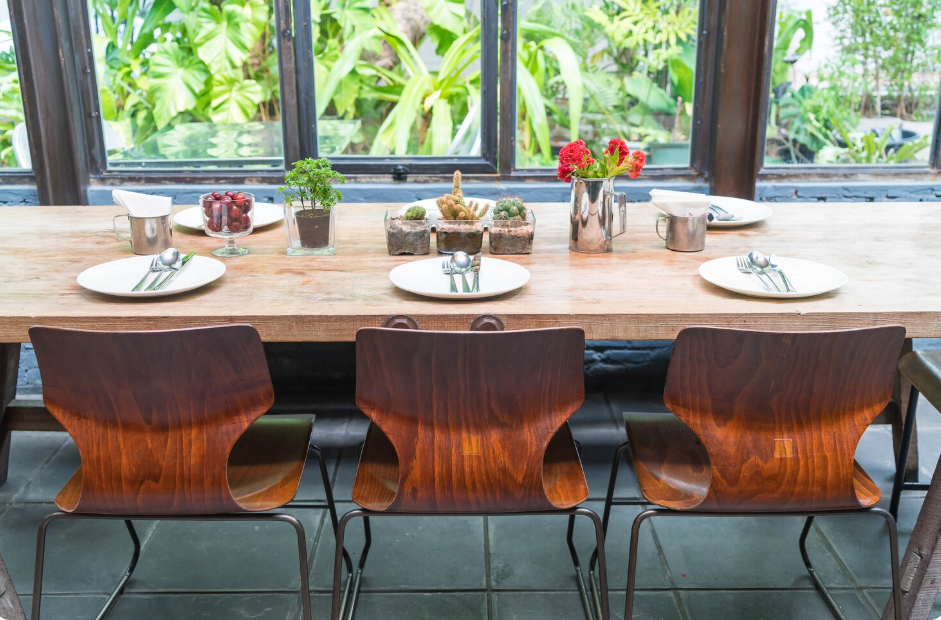
Counter-height chairs come in numerous styles, making it easy to find an option that matches your interior.
Modern Counter Height Chairs
Modern designs often feature clean lines, simple silhouettes, neutral upholstery, and minimal decorative details. These chairs can work well in contemporary kitchens and open-plan dining areas.
Farmhouse Counter Height Chairs
Farmhouse-inspired chairs may feature natural wood, woven seats, painted finishes, or traditional shapes. They can create a warm and welcoming atmosphere.
Industrial Counter Height Chairs
Industrial styles often combine wood and metal. Black or dark metal frames paired with wooden seats can create a bold look.
Upholstered Counter Height Chairs
Upholstered chairs can add extra comfort and softness. Fabric, leather, or synthetic upholstery can also introduce color and texture into the dining area.
Transitional Counter Height Chairs
Transitional styles combine traditional and contemporary elements. These chairs can be particularly useful when you want furniture that remains versatile as your décor changes.
Materials to Consider
The material of your dining chairs affects their appearance, durability, comfort, and maintenance requirements.
Wood is a classic choice that works with many interior styles. Metal can provide a modern or industrial appearance, while upholstered seating can offer additional comfort.
| Material | Appearance | Benefits | Best For |
|---|---|---|---|
| Solid wood | Warm and natural | Durable and timeless | Traditional or farmhouse spaces |
| Metal | Modern and strong | Easy to maintain | Industrial interiors |
| Upholstery | Soft and comfortable | Extra seating comfort | Long meals |
| Wicker/rattan | Natural and relaxed | Lightweight appearance | Casual interiors |
| Mixed materials | Versatile | Combines different textures | Modern transitional spaces |
Choose a material based on how frequently the chairs will be used and how much maintenance you are willing to perform.
Comfortable Features to Look For
Dining chairs should look good, but comfort is equally important. If you regularly eat meals, work, or socialize at the counter, you may spend several hours sitting in them.
Features that can improve comfort include:
- Supportive backrests
- Padded seats
- Ergonomic shapes
- Footrests
- Armrests
- Breathable upholstery
- Proper seat depth
- Stable construction
A footrest can be especially useful with elevated seating because it gives your feet a comfortable place to rest.
Counter Height Chairs With Arms vs. Armless Chairs
Both designs have advantages.
Armless chairs typically require less space and can slide more easily underneath a table or counter. They may be ideal for smaller dining areas.
Chairs with arms can provide additional support and comfort, particularly during long meals. However, they usually require more space.
Choose armless chairs when:
- Space is limited
- You want a minimalist appearance
- Chairs need to fit closely together
- You want easy storage underneath the table
Choose chairs with arms when:
- Comfort is a priority
- You have enough space
- You prefer a more substantial appearance
- Chairs will be used for extended periods
How Many Chairs Do You Need?

The number of chairs depends on the length and shape of your table. Avoid overcrowding the dining area.
Each person should have enough elbow and shoulder space to eat comfortably.
For smaller tables, two to four chairs may be sufficient. Larger rectangular tables may accommodate more seating, while round tables often require a different spacing approach.
Before purchasing multiple chairs, measure the tabletop and consider the width of each chair.
Matching Counter Height Chairs With Your Dining Table
Your chairs do not have to match your table perfectly. In fact, combining complementary materials and finishes can create a more interesting room.
For example, a natural wood table can work well with upholstered chairs. A modern table can be paired with wooden seating to introduce warmth.
Consider coordinating:
- Wood tones
- Metal finishes
- Upholstery colors
- Table shape
- Chair silhouette
- Room color palette
- Flooring
- Lighting fixtures
The goal is to create visual harmony rather than identical furniture.
Counter Height Chairs for Small Dining Spaces
Counter-height furniture can be particularly useful in smaller homes because it can create a visually distinct dining zone without requiring a large formal dining room.
Consider slim-profile chairs, armless designs, or furniture that can be tucked beneath the table when not in use.
Space-saving ideas include:
- Choose narrow chairs
- Use armless seating
- Select chairs that fit completely under the table
- Avoid oversized upholstery
- Keep walking paths clear
- Use a compact counter-height table
- Coordinate furniture colors with the room
Light-colored finishes can also help a smaller dining area feel more open, while natural textures can add warmth without overwhelming the room.
Counter Height Dining Chairs for Kitchen Islands
Although counter-height chairs are commonly associated with dining tables, they can also work well with kitchen islands and breakfast counters when the dimensions are appropriate.
A kitchen island can become a multifunctional area for eating, preparing food, working, studying, or socializing.
When selecting chairs for an island, consider:
- Counter height
- Available legroom
- Chair width
- Footrest position
- Kitchen traffic
- Ease of cleaning
- Material durability
Chairs used in kitchens may experience more spills and frequent use than chairs in a formal dining room, so easy-to-clean materials can be particularly practical.
Color and Design Ideas
Color can completely change the atmosphere of your dining area.
Neutral chairs can provide long-term versatility, while bold colors can create a stronger focal point.
Popular options include:
- Natural wood
- White
- Black
- Gray
- Beige
- Cream
- Brown
- Navy
- Green
- Mixed neutral tones
If your dining room already has several strong colors, neutral seating may help balance the space. If the room is mostly neutral, colorful upholstery can introduce personality.
Maintenance and Care
Proper maintenance can help your chairs remain attractive and comfortable for longer.
Wood chairs should generally be kept clean and protected from excessive moisture. Upholstered chairs should be cleaned according to the manufacturer’s fabric-care recommendations.
Basic maintenance tips:
- Wipe spills promptly
- Dust wooden surfaces regularly
- Avoid excessive moisture
- Check screws and joints periodically
- Follow upholstery cleaning instructions
- Protect surfaces from scratches
- Avoid dragging chairs across floors
Regular maintenance is especially important for chairs used every day.
Common Mistakes to Avoid

Choosing dining chairs based only on appearance can lead to problems later.
Buying the wrong height
Always measure the table and chair before purchasing.
Ignoring comfort
A beautiful chair is not useful if it is uncomfortable during meals.
Choosing oversized chairs
Large chairs can overcrowd a small dining space.
Forgetting maintenance
Consider whether the material is appropriate for your household’s lifestyle.
Buying without considering the room
The chairs should complement your table, flooring, lighting, and overall décor.
Creating a Stylish Counter Height Dining Area
Once you have selected your chairs, small details can help complete the room.
Consider adding a pendant light above the table, a centerpiece, decorative wall art, or a rug underneath the dining area.
If the dining space connects directly to the kitchen, coordinate colors and finishes between both areas. This can create a cohesive open-plan appearance.
Plants, tableware, and simple decorative accessories can also make the area feel more welcoming without creating unnecessary clutter.
Final Thoughts
Counter height dining room chairs can provide a practical combination of comfort, style, and functionality for modern homes. They are especially useful for counter-height dining tables, kitchen islands, breakfast areas, and casual entertaining spaces.
When choosing your chairs, start by measuring the table or counter. Then consider seat height, legroom, chair width, materials, comfort, style, and maintenance requirements.
Whether you prefer modern metal chairs, classic solid wood seating, upholstered designs, farmhouse-inspired furniture, or a combination of materials, the right chairs can transform your dining area into a comfortable and attractive part of your home.
The best choice is one that fits your space, supports your lifestyle, complements your décor, and remains comfortable enough for everyday use.
Frequently Asked Questions
1. What are counter height dining room chairs?
Counter-height dining room chairs are elevated chairs designed to pair with counter-height tables or surfaces. They are typically taller than standard dining chairs but shorter than traditional bar-height seating.
2. How high should counter height dining chairs be?
Counter-height chairs commonly have a seat height of approximately 24 to 27 inches, although exact measurements vary. Always compare the chair height with your table or counter before purchasing.
3. Are counter height chairs comfortable for long meals?
They can be very comfortable when properly sized. Look for supportive backrests, padded seats, footrests, appropriate seat depth, and enough legroom.
4. What material is best for counter height dining chairs?
Solid wood, metal, upholstery, wicker, rattan, and mixed materials can all work well. The best choice depends on your preferred style, durability requirements, comfort needs, and maintenance preferences.
5. Can counter height chairs be used at a kitchen island?
Yes, provided the island has the appropriate height and sufficient legroom. Counter-height chairs can make a kitchen island a practical space for dining, working, studying, and socializing.
Read more: chairside tables: Stylish, Practical,