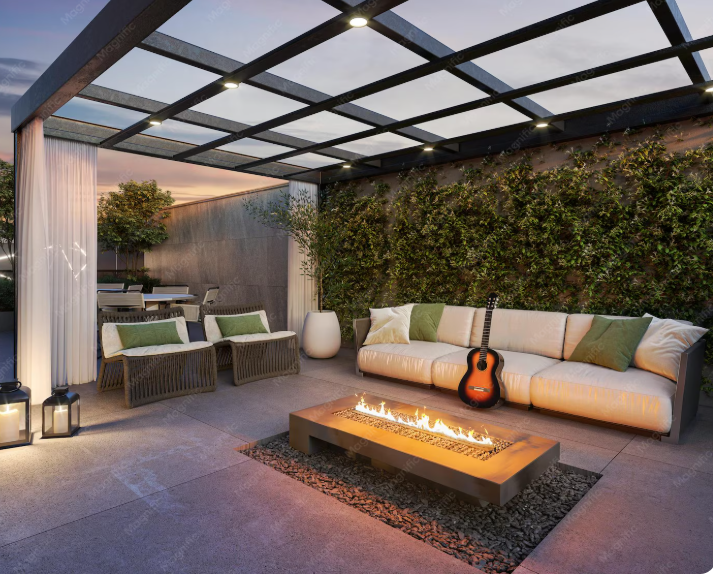
Covered Patio Attached to House: Stylish Design Ideas, Benefits, Materials, Costs, and Planning Tips for Outdoor Living
A covered patio attached to house is one of the best ways to expand your usable outdoor living area while creating a comfortable connection between your home and backyard. Instead of leaving your patio exposed to intense sunlight, rain, or changing weather, a well-designed cover can transform it into a practical space for relaxing, dining, entertaining, and spending time with family.
An attached patio can be designed in many ways, including a traditional roof extension, modern lean-to structure, pergola, gable roof, screened patio, or partially covered outdoor room. The best option depends on your home’s architecture, available space, climate, budget, and how you plan to use the area.
Modern patio designs often focus on creating a natural transition between indoor and outdoor spaces. Matching materials, coordinated rooflines, comfortable furniture, lighting, and thoughtful landscaping can make the patio feel like an intentional extension of the house rather than a separate structure.
Why Choose a Covered Patio Attached to Your House?
An attached patio provides more than shade. It can create an additional area for everyday activities while making your backyard more attractive and functional.
Key benefits include:
- Provides protection from sun and light rain
- Creates additional outdoor living space
- Makes outdoor dining more comfortable
- Provides a convenient entertaining area
- Improves the connection between indoor and outdoor spaces
- Can enhance the appearance of your home’s exterior
- Offers opportunities for outdoor kitchens and seating
- Allows you to add lighting, fans, and other features
- Can create a more comfortable backyard environment
A covered patio can also be customized according to your lifestyle. A family that enjoys outdoor meals may prioritize a dining table and kitchen area, while another homeowner may prefer comfortable lounge furniture, plants, and a relaxing atmosphere.
Popular Covered Patio Styles Attached to a House
There is no single design that works for every home. The structure should complement your home’s existing architecture while providing the level of protection you need.
1. Modern Lean-To Patio Cover
A lean-to roof is a popular choice because of its simple shape and clean appearance. The roof slopes away from the house and can work particularly well with modern or contemporary homes.
This design is also useful when you want to create a straightforward covered area without making the patio visually heavy.
2. Gable Roof Patio
A gable roof can create a spacious, open feeling underneath the patio cover. The additional ceiling height can make the area feel more like an outdoor room.
Gable designs can work especially well for larger patios used for dining, entertaining, or outdoor kitchens.
3. Attached Pergola
An attached pergola provides filtered shade while maintaining an open connection with the backyard. It is ideal for homeowners who want some protection from direct sunlight without completely blocking the sky.
You can enhance a pergola with climbing plants, outdoor curtains, retractable shade panels, or decorative lighting.
4. Screened Covered Patio
A screened patio provides additional protection from insects while maintaining airflow and outdoor views. It can be a practical option for homeowners who want to use their patio more frequently.
Outdoor furniture, ceiling fans, comfortable lighting, and weather-resistant finishes can make a screened patio feel like an outdoor living room.
5. Solid Roof Patio Extension
For homeowners who want stronger protection from sunlight and rain, a solid roof is often the preferred solution. The roof can be designed to coordinate with the existing home.
A solid cover can also provide a suitable location for ceiling fans, recessed lighting, speakers, and other outdoor features.
Design Ideas for a Covered Patio Attached to House
The structure is only one part of the project. Furniture, flooring, lighting, landscaping, and accessories can determine how comfortable and attractive the finished patio feels.
Create an Outdoor Living Room
Use an outdoor sofa, lounge chairs, coffee table, and area rug to create a comfortable seating arrangement. Position the furniture so that it encourages conversation while maintaining an easy path between the patio and house.
Add an Outdoor Dining Area
If your family enjoys eating outside, dedicate part of the patio to dining. A table and comfortable chairs can turn the covered area into a convenient location for breakfast, dinner, or weekend gatherings.
Include an Outdoor Kitchen
A larger covered patio can accommodate an outdoor kitchen with a grill, countertop, storage, sink, or beverage area. Keeping the cooking area close to the home can make food preparation and serving easier.
Add a Fireplace or Fire Feature
A fireplace or suitable outdoor fire feature can create a focal point and make the patio more inviting during cooler evenings. Make sure any fire-related installation follows applicable safety requirements and local regulations.
Choosing the Right Materials

Material selection affects appearance, maintenance, durability, and the overall character of your patio.
Wood offers a warm and traditional appearance, while aluminum and steel can provide cleaner contemporary lines. Roofing materials can also vary depending on the desired appearance and level of weather protection.
| Material | Appearance | Main Advantage | Maintenance |
|---|---|---|---|
| Wood | Warm and natural | Traditional character | Moderate |
| Aluminum | Clean and modern | Low maintenance | Low |
| Steel | Strong and contemporary | Structural strength | Low to moderate |
| Composite | Modern wood-like look | Durability | Low |
| Polycarbonate | Light and practical | Allows natural light | Low |
The best material depends on your home’s exterior, local weather, desired appearance, and long-term maintenance expectations.
Patio Flooring Options
The floor is another important design decision. The surface should be attractive, durable, and appropriate for outdoor conditions.
Popular flooring choices include:
- Concrete
- Pavers
- Natural stone
- Brick
- Porcelain outdoor tile
- Composite decking
- Wood decking
Concrete can provide a clean and versatile base, while pavers and natural stone can create a more decorative appearance. Composite decking may be useful for homeowners who prefer a wood-like appearance with reduced maintenance.
How to Make the Patio Feel Like an Extension of Your Home
One of the biggest advantages of an attached patio is the opportunity to create visual continuity between indoor and outdoor spaces.
Start by coordinating colors and materials. For example, if your home uses warm wood accents, repeating similar tones in patio furniture or ceiling details can make the transition feel more natural.
Large sliding or folding doors can also create a stronger connection between the interior and patio.
Consider these design details:
- Match exterior colors
- Coordinate flooring materials
- Repeat wood or metal finishes
- Use similar furniture tones
- Install complementary lighting
- Keep the route between rooms and patio open
- Add plants around the patio perimeter
A successful design should make the patio feel connected to the home without making the outdoor space look identical to the interior.
Lighting Ideas for a Covered Patio
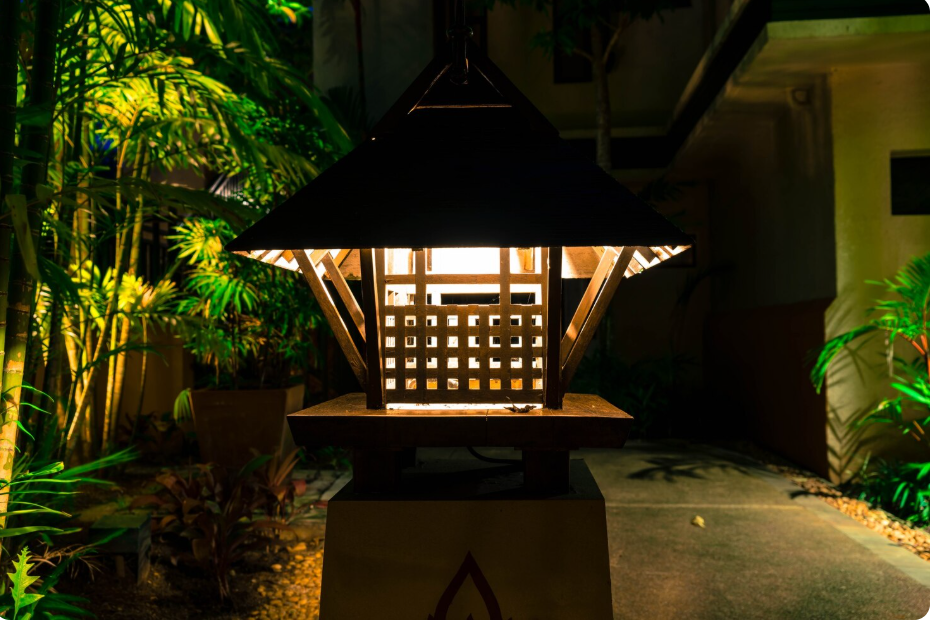
Good lighting can make a covered patio useful after sunset. Instead of relying on a single bright light, combine several types of lighting.
Consider:
- Recessed ceiling lights
- Pendant fixtures
- Wall sconces
- String lights
- LED accent lighting
- Lantern-style fixtures
- Landscape lighting
Ambient lighting creates a comfortable atmosphere, while task lighting can illuminate cooking, dining, or reading areas.
Outdoor electrical components should be suitable for their environment and installed according to applicable safety requirements.
Furniture and Décor Ideas
Comfortable furniture is essential if you want your patio to become a regularly used living space.
Choose furniture designed for outdoor conditions and consider the amount of space available before purchasing large pieces.
Useful patio furniture includes:
- Outdoor sofas
- Lounge chairs
- Dining tables
- Benches
- Ottomans
- Side tables
- Outdoor rugs
- Storage furniture
Add cushions and decorative pillows for comfort, but select materials designed for outdoor use. Plants, planters, curtains, and decorative accessories can add personality without requiring major structural changes.
Covered Patio Layout Ideas
A good layout should allow people to move comfortably between the house, seating areas, dining areas, and backyard.
Before choosing furniture, measure the patio and create a simple floor plan. Think about doors, stairs, windows, columns, outdoor kitchens, and walking routes.
| Patio Size | Recommended Layout | Best Use |
|---|---|---|
| Small | Compact seating + side table | Relaxing |
| Medium | Sofa + chairs + dining area | Family use |
| Large | Lounge + dining + kitchen | Entertaining |
| Extra large | Multiple zones | Events and outdoor living |
Creating different zones can make a large patio more functional. For example, one area can be dedicated to dining while another provides comfortable lounge seating.
Important Planning Considerations
An attached patio interacts directly with your existing house, so planning is especially important.
Before construction begins, consider:
Roof Connection
The connection between the patio cover and house must be properly designed to manage structural loads and prevent water intrusion.
Drainage
Rainwater needs to move away from the house effectively. Poor drainage can create moisture problems around the foundation or patio.
Roof Design
The roof shape, slope, height, and materials should work with the existing home. A well-integrated roofline can make the addition look original to the house.
Local Requirements
Building rules, permits, setback requirements, structural standards, and property restrictions vary by location. Check applicable local requirements and consult qualified professionals before construction.
Ways to Make Your Covered Patio More Comfortable
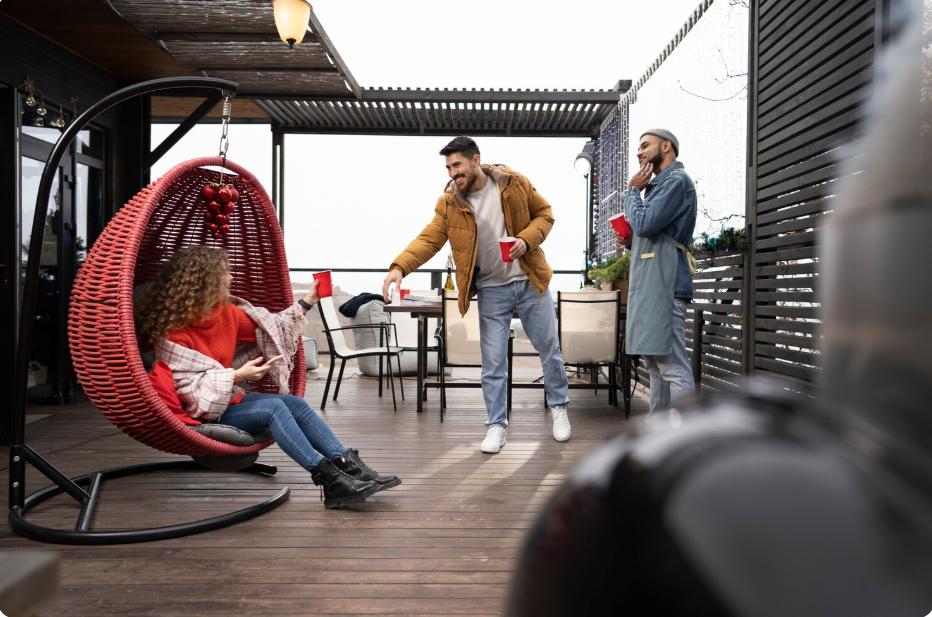
A covered patio can be comfortable throughout much of the year when designed with the local climate in mind.
Ceiling fans can improve air circulation in warm weather. Outdoor curtains or screens can provide additional privacy and protection. In cooler conditions, suitable heating solutions can make the space more usable.
You can also add:
- Weather-resistant cushions
- Outdoor storage
- Privacy screens
- Planters
- Ceiling fans
- Outdoor speakers
- Decorative lighting
- Retractable shades
The goal is to create a space that feels comfortable enough to use regularly rather than only on special occasions.
Common Mistakes to Avoid
A beautiful patio can lose its value if basic planning details are overlooked.
Ignoring the home’s architecture
A patio cover that looks completely different from the house can feel disconnected. Choose materials, colors, and rooflines that complement the existing structure.
Making the patio too crowded
Too much furniture can restrict movement. Measure the space before purchasing large items.
Forgetting drainage
Water management should be part of the design from the beginning.
Poor lighting
A patio without sufficient lighting may become difficult to use after sunset.
Choosing materials without considering maintenance
Think about how much time you want to spend cleaning, sealing, painting, or maintaining the patio.
Final Thoughts
A covered patio attached to your house can transform an ordinary backyard into a comfortable and useful extension of your living space. Whether you choose a modern lean-to roof, traditional gable cover, open pergola, screened patio, or solid roof extension, the most successful design will balance appearance, comfort, durability, and functionality.
Start by determining how you want to use the space. Then consider the patio’s size, roof style, materials, flooring, lighting, furniture, drainage, and connection to the existing home.
With thoughtful planning and professional construction where needed, an attached covered patio can become one of the most enjoyable areas of your property—a place for morning coffee, family dinners, weekend gatherings, relaxing evenings, and everyday outdoor living.
Frequently Asked Questions
1. What is a covered patio attached to a house?
A covered patio attached to a house is an outdoor living area connected directly to the home and protected by a roof, pergola, or other overhead structure. It provides shade and can offer protection from light weather.
2. What is the best roof style for an attached patio?
The best roof style depends on your home’s architecture, available space, climate, and desired appearance. Lean-to, gable, pergola, and solid roof designs are common options.
3. Can I add an outdoor kitchen under a covered patio?
Yes, a sufficiently large covered patio can accommodate an outdoor kitchen. The layout should allow safe ventilation, comfortable movement, and appropriate utility connections.
4. What materials are best for a covered patio?
Wood, aluminum, steel, composite materials, and other outdoor-rated products can be used. The ideal material depends on durability, maintenance, appearance, budget, and local conditions.
5. Do I need professional help to build an attached covered patio?
Because an attached patio connects to an existing house, professional advice is recommended for structural connections, roofing, drainage, and other construction requirements. Local permits or approvals may also apply depending on the project.
Read more: Floral Pillow Covers
One thought on “Covered Patio Attached to House”