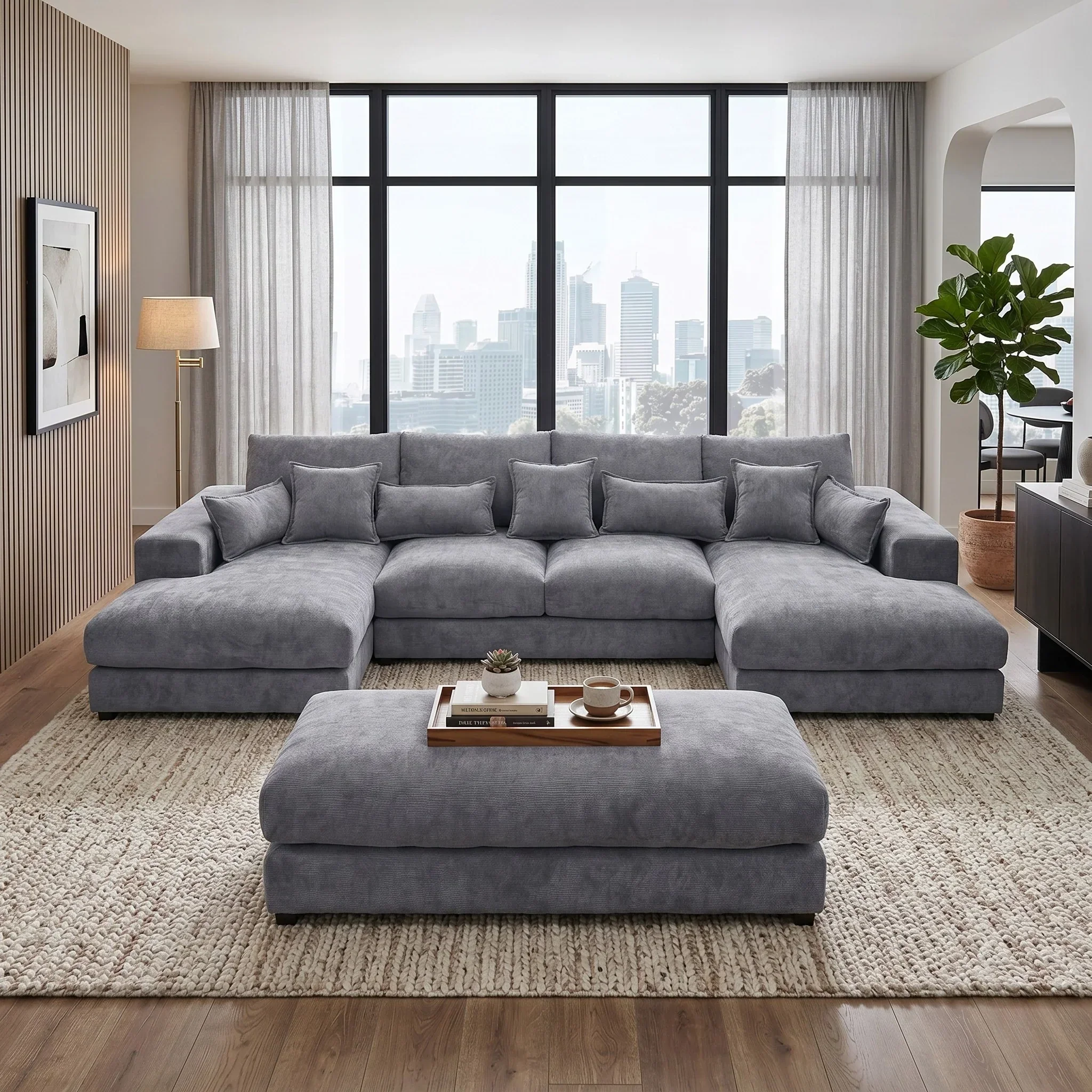
Large sofas couches are an excellent choice for homeowners who want to create a comfortable, inviting, and stylish living space. Whether you have a spacious family room, an open-plan apartment, or a dedicated entertainment area, a large sofa can provide generous seating for relaxing, watching movies, entertaining guests, and spending time with family. With so many designs, sizes, upholstery materials, and configurations available, finding the right sofa means balancing comfort, functionality, durability, and interior style.
From oversized three-seater sofas to spacious sectionals and deep-seat couches, large furniture offers plenty of room to stretch out and enjoy everyday living. The right design can also become the centerpiece of your living room, helping define the layout and establish the overall atmosphere of your home.
Before purchasing a large sofa, consider your available floor space, preferred seating arrangement, household needs, and maintenance requirements. This guide explains the main sofa styles, materials, measurements, design ideas, and practical features to consider when choosing a large couch.
Why Choose Large Sofas Couches for Your Living Room?
Large sofas provide more than additional seating. They can improve the functionality of a living room by creating a central gathering place for family members and visitors. Instead of arranging several smaller chairs around the room, a spacious sofa can bring the seating area together and create a more cohesive appearance.
For families, a large couch offers room for multiple people to sit comfortably. It can be especially useful during movie nights, weekend gatherings, and celebrations when extra seating is needed. Deep cushions and wide seating areas also make many oversized sofas suitable for reading, relaxing, or taking an afternoon nap.
Large sofas are available in styles ranging from traditional upholstered designs to contemporary minimalist models. This variety makes it easier to coordinate furniture with different interior themes, including modern, rustic, industrial, Scandinavian, and transitional décor.
However, bigger furniture is not automatically better. A sofa should fit the room proportionally, leave enough space for movement, and provide the type of support you prefer. Careful planning ensures that the additional seating improves your living space rather than making it feel crowded.
Popular Types of Large Sofas and Couches
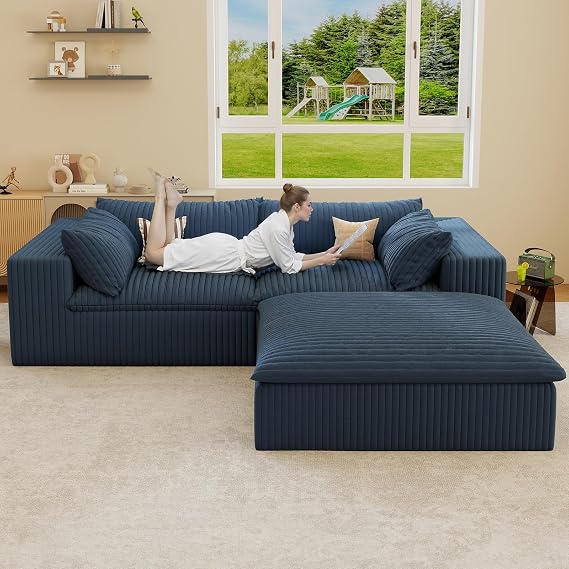
Different sofa configurations suit different room layouts and lifestyles. Understanding the available options can help you choose furniture that provides the right combination of seating and flexibility.
Large Three-Seater Sofas
A large three-seater sofa is a practical option for households that need generous seating without committing to a sectional. Compared with compact three-seat models, oversized versions may offer wider cushions, deeper seats, or broader armrests.
These sofas work well in medium and large living rooms. They can be placed against a wall to conserve floor space or positioned centrally to create a defined seating area.
A large three-seater also offers flexibility because it can be paired with an armchair, loveseat, or ottoman. This arrangement creates additional seating while allowing you to change the room layout more easily than with a large sectional.
Large Sectional Sofas
Sectional sofas consist of multiple connected seating sections and are available in several configurations. Popular designs include L-shaped and U-shaped models, which can accommodate larger households and create an inviting environment for socializing.
An L-shaped sectional is particularly useful for filling a corner or defining the boundary between a living room and a dining area. A U-shaped sectional provides seating on three sides, making it suitable for spacious entertainment rooms.
Some sectionals include a chaise lounge, reclining seats, adjustable headrests, or modular components. These features can increase comfort and customization, but they may also affect the sofa’s dimensions and price.
Before choosing a sectional, measure the full footprint and confirm that the configuration suits your room. Check whether the sections can be rearranged and whether the chaise can be positioned on either side.
Oversized Deep-Seat Couches
Deep-seat couches are designed for people who enjoy a relaxed sitting position. Their extended seat depth can make it easier to curl up, stretch out, or sit with cushions.
These sofas often have a casual appearance, with soft upholstery, generous cushions, and broad seating areas. They are popular in family rooms and informal living spaces where comfort is a priority.
However, extra-deep seats may not suit everyone. Shorter users may find it difficult to sit upright with their feet comfortably on the floor. If possible, test the seat depth before purchasing or compare the measurements with a sofa you already find comfortable.
Large Sleeper Sofas
A large sleeper sofa combines everyday seating with a bed that can be used for overnight guests. It can be especially helpful in homes without a dedicated guest bedroom.
Sleeper sofas are available in several mattress sizes and opening mechanisms. Some use a pull-out mattress, while others convert the seat cushions into a sleeping surface.
Check the dimensions when the bed is fully extended, not just when the sofa is being used for seating. You should also consider mattress comfort, ease of conversion, and storage space for bedding.
Large Reclining Sofas
Reclining sofas allow users to adjust the backrest and footrest for a more relaxed position. Depending on the design, reclining seats may be operated manually or electronically.
Some models include cup holders, storage consoles, adjustable headrests, or USB charging ports. These features can make a large reclining sofa attractive for entertainment rooms and households that spend long periods relaxing in the living room.
Remember to check the clearance required behind and in front of the sofa. A reclining model may need more operating space than a standard couch.
How to Choose the Right Size for Large Sofas Couches
Choosing the right size is one of the most important steps when shopping for a large couch. A sofa that is too small may look out of place in a spacious room, while an oversized model can restrict movement and overwhelm a smaller area.
Start by measuring the available width and depth of your living room. Include the locations of doors, windows, radiators, electrical outlets, and other furniture. Consider how people will walk through the room and whether the sofa will block access to other areas.
The following dimensions are general examples. Actual sizes vary by manufacturer and design.
| Sofa type | Approximate width | Typical use |
|---|---|---|
| Large three-seater | 80–96 inches | Everyday family seating |
| Oversized three-seater | 90–105 inches | Spacious living rooms |
| Four-seater sofa | 95–115 inches | Larger households |
| L-shaped sectional | 90–120 inches per main side | Corners and open-plan spaces |
| U-shaped sectional | 110–150 inches or more across the main span | Large family and entertainment rooms |
| Oversized sleeper sofa | 80–100 inches | Seating and occasional guest accommodation |
These measurements are indicative rather than standardized. For sectionals, check the length of each side, the chaise depth, and the total footprint. For sleeper sofas, measure the fully extended bed.
Leave enough clearance for people to move comfortably around the furniture. Approximately 30–36 inches is a useful starting point for major walkways, although the ideal space depends on the room and its layout. Also ensure that coffee tables are within comfortable reach without obstructing the path between the sofa and other areas.
A helpful planning method is to mark the sofa’s dimensions on the floor using painter’s tape. This makes it easier to visualize the furniture’s footprint before placing an order.
Best Upholstery Materials for Large Sofas
The upholstery affects how a sofa feels, looks, and performs over time. The best material depends on your household, cleaning preferences, budget, and interior design.
Fabric Sofas
Fabric sofas offer a wide range of colors, textures, and patterns. Options include woven polyester, cotton blends, linen blends, microfiber, and performance fabrics.
Fabric upholstery can create a warm and inviting atmosphere. Textured materials add visual interest, while smooth fabrics suit contemporary and minimalist interiors.
For busy households, consider tightly woven upholstery or a performance fabric designed to resist stains and everyday wear. Always check the cleaning instructions before purchasing.
Leather Sofas
Leather sofas offer a distinctive appearance and can suit both classic and modern interiors. Genuine leather develops character over time, while synthetic leather provides an alternative with different price and maintenance characteristics.
Some leather surfaces can be wiped clean more easily than many fabrics, but they still require appropriate care. Leather can also feel cooler or warmer depending on the room temperature.
Check the product description carefully to understand whether the upholstery is genuine leather, bonded leather, or a synthetic alternative. These materials are not interchangeable in terms of performance and durability.
Velvet Sofas
Velvet upholstery creates a rich, luxurious appearance. It is available in deep jewel tones, neutral shades, and contemporary colors that can make an oversized sofa a visual focal point.
A velvet couch can look especially attractive in formal living rooms or sophisticated contemporary spaces. However, maintenance requirements vary according to the fabric composition and finish. Review the manufacturer’s cleaning instructions before choosing velvet for a busy household.
Microfiber Sofas
Microfiber is often chosen for its soft texture and practical everyday use. Some microfiber upholstery is relatively easy to clean, although performance depends on the specific fabric and treatment.
This material can be a suitable option for family rooms where the sofa receives frequent use. Compare fabric specifications, abrasion information, and cleaning recommendations instead of assuming all microfiber sofas perform identically.
How to Style a Large Sofa in Different Interiors
A large couch can establish the visual direction of your living room. Coordinating the sofa with other furniture, lighting, and accessories helps create a balanced environment.
Modern interiors: Choose a sofa with clean lines, simple cushions, and neutral or muted upholstery. Pair it with a streamlined coffee table, understated artwork, and minimal accessories.
Contemporary luxury: Consider velvet or leather upholstery, sculptural side tables, layered lighting, and carefully selected decorative cushions. Keep the overall arrangement coordinated rather than overly elaborate.
Farmhouse living rooms: A generously sized fabric sofa in beige, cream, gray, or muted green can complement wooden furniture, textured throws, and natural materials.
Scandinavian spaces: Look for simple shapes, light colors, exposed legs, and comfortable upholstery. Add soft lighting and natural textures to create a calm atmosphere.
Traditional homes: Rolled arms, tailored cushions, classic patterns, and warm colors can complement traditional furniture and decorative details.
Color also influences how the sofa interacts with the room. Neutral shades are versatile, while navy, forest green, rust, and other saturated colors can introduce a stronger focal point. If you select a bold sofa color, use complementary tones in smaller accessories to keep the room cohesive.
Features to Consider Before Buying a Large Couch
When comparing sofas, look beyond appearance. Construction, cushioning, and practical features influence how comfortable the sofa will be over time.
- Frame construction: Ask about the frame material and how the components are joined.
- Seat cushion filling: Foam, fiber, and feather blends provide different levels of firmness and maintenance requirements.
- Seat depth: Choose a depth that suits your height and preferred sitting position.
- Back support: Consider cushion height and lumbar support, especially if you spend long periods sitting.
- Removable covers: These may simplify cleaning when the manufacturer permits machine washing or professional cleaning.
- Modular construction: Modular sofas can make rearranging the room or moving the furniture easier.
- Storage options: Selected models include hidden compartments or storage ottomans.
- Warranty coverage: Review the terms for the frame, cushions, upholstery, and reclining components.
If possible, test a sofa in person. Sit in different positions, assess the cushion firmness, and check whether the armrests and backrest provide adequate support. If you are shopping online, carefully review the product dimensions and customer feedback.
Arranging Large Sofas in Small and Large Rooms
Large sofas can work in different room sizes when the layout is planned carefully.
In a smaller living room, place the sofa along the longest available wall when practical. Choose a design with visually light legs, narrow arms, or a simpler silhouette to reduce its visual bulk. A compact sectional may be more useful than several separate pieces if it provides seating while preserving clear walkways.
In a large living room, avoid automatically pushing every piece of furniture against the walls. Floating the sofa in the room can create a more intimate conversation area, particularly in open-plan spaces. A console table behind the sofa can provide a place for lamps or decorative objects, provided there is enough clearance.
For entertainment rooms, position the sofa so that most seats have a comfortable view of the television. Avoid placing the screen at an uncomfortable viewing angle, and consider glare from windows and lighting.
A rug can help anchor the seating arrangement. Ideally, the front legs of the sofa and nearby chairs should rest on the rug, depending on its size and the layout. A coffee table should be easy to reach from the main seating positions without creating an obstacle.
Maintaining Large Sofas for Long-Term Use
Regular maintenance can help preserve the appearance and comfort of a large sofa.
Vacuum fabric upholstery with an appropriate attachment to remove dust, crumbs, and loose debris. Rotate or rearrange cushions when recommended by the manufacturer to encourage more even wear. Blot spills promptly and avoid rubbing them into the fabric.
For leather upholstery, use a soft cloth and products specifically recommended for the material. Avoid harsh cleaners that may damage the surface or alter its finish.
Keep the sofa away from prolonged direct sunlight where possible, as some fabrics and leather finishes may fade or change color. If the sofa has a reclining mechanism, follow the manufacturer’s maintenance instructions and keep moving components clear of objects.
Avoid standing on the cushions or placing excessive weight on the armrests. For modular and sectional sofas, periodically check connectors and hardware if the manufacturer recommends doing so.
Before using any upholstery cleaner, test it on a discreet area and follow the product’s care instructions. This helps reduce the risk of discoloration or damage.
Frequently Asked Questions
What is the best large sofa for a family?
A durable fabric sofa, spacious sectional, or large three-seater can work well for families. Look for comfortable cushions, sturdy construction, practical upholstery, and enough seating for the household. Performance fabrics may be useful when spills and frequent use are concerns.
Are large sectional sofas better than regular couches?
Sectionals can provide more seating and make effective use of corners or open-plan layouts. A regular sofa may be easier to move and offers greater flexibility when combined with separate chairs. The better option depends on your room dimensions and preferred arrangement.
How do I know if a large couch will fit through my doorway?
Check the sofa’s delivery dimensions, including its height, width, and depth, and compare them with the measurements of doorways, hallways, stairs, and elevators. Ask the retailer whether the sofa can be delivered in separate sections or whether removable legs and other components make transportation easier.
Which color is best for a large sofa?
Beige, gray, and other neutral shades are versatile choices that coordinate with many interior styles. Navy, green, and other deeper colors can create a distinctive focal point. Consider your wall color, flooring, natural light, and cleaning preferences when choosing upholstery.
How much space should I leave around a large sofa?
Approximately 30–36 inches is a useful starting point for main walkways, although the appropriate clearance depends on your room. Leave enough room to access doors, move around coffee tables, and use reclining or sleeper features when the sofa is fully extended.
Conclusion
Large sofas couches can transform a living room into a comfortable and welcoming space while providing generous seating for everyday activities and social gatherings. From oversized three-seaters and deep-seat designs to modular sectionals, sleeper sofas, and reclining models, there are options to suit a wide range of homes and lifestyles.
The best sofa is not necessarily the largest one available. It is the model that fits your room, supports your preferred sitting position, matches your interior style, and uses materials suited to your household. By measuring carefully, comparing upholstery and construction, and considering how you use your living room, you can make a more confident purchasing decision.
With the right size, thoughtful placement, and regular care, a large couch can become a lasting centerpiece for relaxing, entertaining, and enjoying time with family.
One thought on “Large Sofas Couches: A Complete Guide to Comfort, Style, and Choosing the Right Fit”