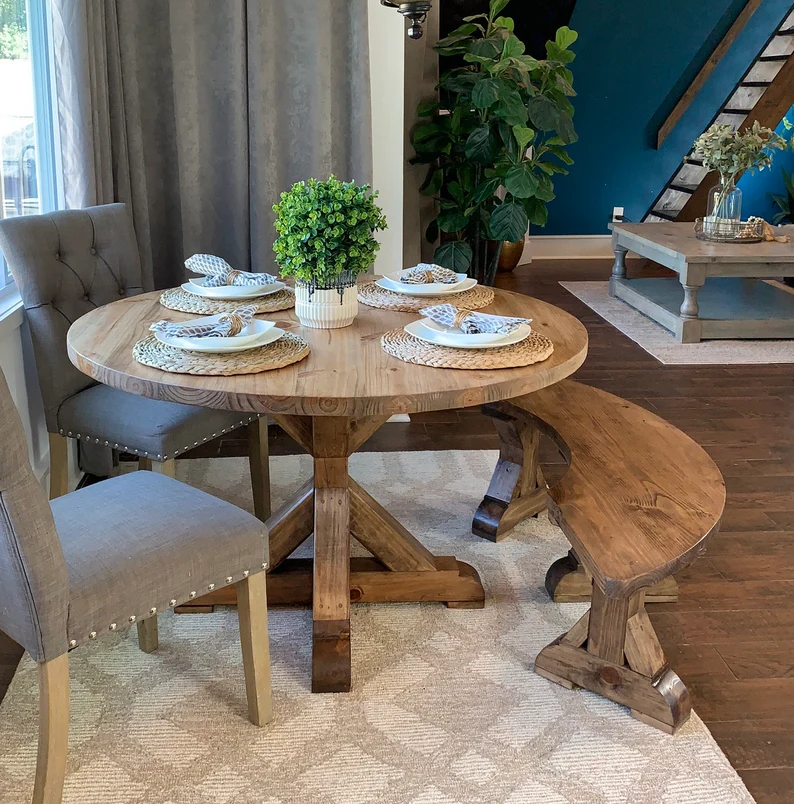
Round solid wood dining room tables are an excellent choice for homeowners who want to combine natural beauty, durability, and everyday functionality. With their smooth curves, sturdy construction, and timeless appearance, these tables can transform a dining area into a welcoming space for family meals, celebrations, and conversations. Whether you are furnishing a small apartment, updating a traditional dining room, or designing a modern open-plan home, a round wooden dining table can offer the perfect balance of style and practicality.
Solid wood furniture has remained popular for generations because of its distinctive grain patterns, natural warmth, and long-lasting appeal. Unlike many mass-produced tables made primarily from engineered materials, solid wood tables are constructed from natural timber, although some designs may incorporate veneers or other materials in certain components. Choosing the right table involves considering wood species, table size, finish, base design, seating capacity, and the overall style of your home.
Why Choose Round Solid Wood Dining Room Tables?
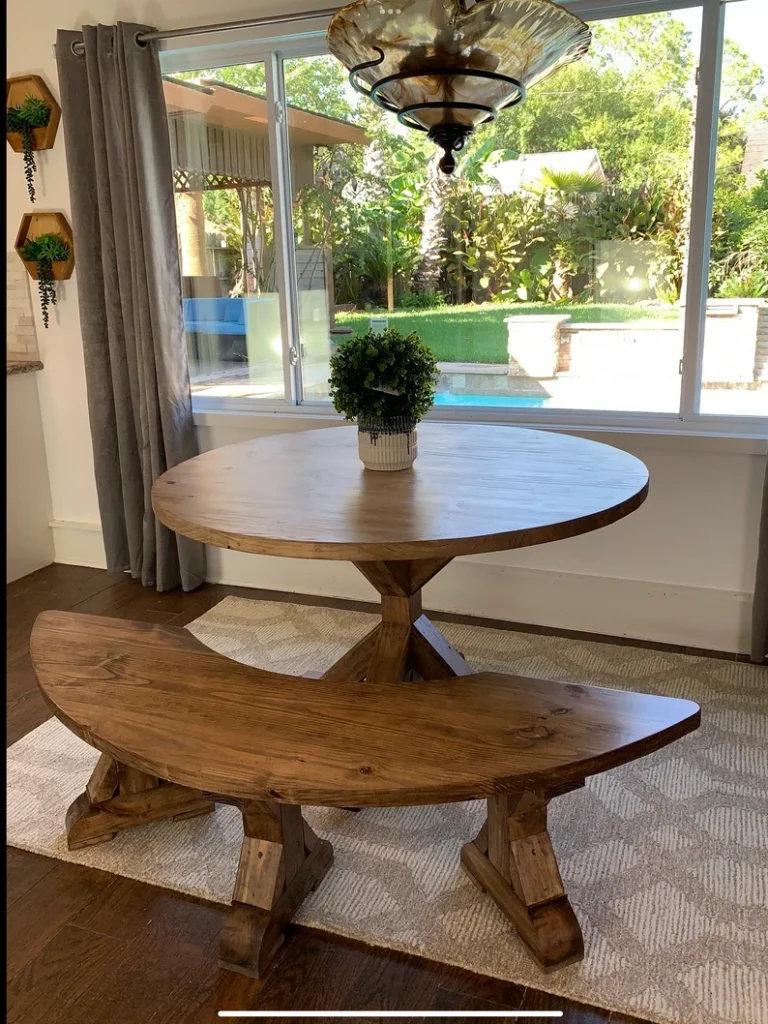
Round solid wood dining room tables offer several advantages that make them suitable for different homes and lifestyles. Their circular shape creates a natural gathering point, allowing diners to face one another comfortably without the corners found on rectangular tables.
One of the biggest benefits is the way a round table encourages conversation. Everyone seated around the table can maintain eye contact more easily, making meals feel more social and relaxed. This shape is particularly appealing for families who enjoy eating together or homeowners who regularly entertain guests.
Solid wood also brings character to a dining space. Each piece of timber has its own grain, color variations, and natural markings, meaning that every table can have a slightly different appearance. Oak, walnut, maple, and other wood species offer distinctive looks, from light and understated to rich and dramatic.
Another advantage is versatility. A round wooden table can complement farmhouse, rustic, Scandinavian, traditional, transitional, and contemporary interiors. The right finish and base design can make the same general table shape feel completely different depending on the room.
Popular Wood Types for Round Dining Tables
The type of wood used in a dining table affects its appearance, durability, maintenance requirements, and price. Understanding the most common options can help you choose furniture that suits your home.
Oak Round Dining Tables
Oak is a popular option for dining furniture because of its prominent grain and dependable performance. Depending on the finish, oak can range from pale golden tones to medium brown shades.
A solid oak round dining table works well in traditional dining rooms, farmhouse interiors, and contemporary homes. Natural or light finishes highlight the grain, while darker stains create a more formal appearance.
Oak tables can be a good choice for households that use their dining furniture every day. However, like all wood furniture, oak can be scratched, stained, or affected by excessive moisture if it is not properly maintained.
Walnut Round Dining Tables
Walnut is known for its rich brown color and elegant grain patterns. It is frequently used in sophisticated interiors where furniture is intended to create a focal point without relying on decorative details.
A round walnut dining table can look beautiful with upholstered chairs, neutral walls, and warm lighting. Its darker appearance also pairs well with cream, beige, gray, and muted green décor.
Walnut is often positioned at a higher price point than some other woods, so it may suit buyers who are willing to invest more in the appearance and construction of their dining furniture.
Maple Round Dining Tables
Maple typically has a light, relatively subtle grain that suits clean and modern interiors. Its appearance can help a dining room feel bright and uncluttered.
A solid maple round table pairs naturally with minimalist chairs, pale flooring, and simple decorative accessories. It can also be stained to achieve different colors, depending on the product’s construction and finishing process.
Pine Round Dining Tables
Pine is a common choice for rustic, cottage-style, and casual dining spaces. Its lighter color and visible knots can create a relaxed, natural appearance.
Pine is generally softer than oak and maple, so it may be more likely to show dents and scratches during everyday use. Some homeowners appreciate these marks because they contribute to a lived-in look, while others may prefer a harder wood for a busy household.
Acacia Round Dining Tables
Acacia is valued for its varied grain patterns and warm color variations. It can create a distinctive appearance in rustic, contemporary, and eclectic interiors.
Acacia dining tables often feature natural-looking finishes that highlight the timber’s character. As with any wood species, the table’s durability also depends on the quality of the timber, construction, finish, and care it receives.
Choosing the Right Size for Your Dining Space
Selecting the correct table size is essential for comfortable dining. A table that is too large can restrict movement, while one that is too small may not provide enough seating for your household.
The diameter of a round dining table determines how much usable surface area is available and how many people can sit comfortably. The following measurements are general planning guidelines rather than fixed rules.
| Table diameter | Approximate seating capacity | Best suited for |
|---|---|---|
| 30–36 inches | 2 people | Small kitchens and compact dining areas |
| 36–42 inches | 2–4 people | Apartments and breakfast corners |
| 42–48 inches | 4 people | Everyday family dining |
| 48–54 inches | 4–5 people | Medium-sized dining rooms |
| 54–60 inches | 5–6 people | Family meals and occasional entertaining |
| 60–72 inches | 6–8 people, depending on the design | Larger dining spaces |
Actual seating capacity varies according to chair width, table leg placement, place settings, and the amount of elbow room each person needs.
Before purchasing a table, measure the available floor area and account for the chairs when they are pulled away from the table. Leaving approximately 36 inches of clearance around the table is a useful starting point, while additional space may be needed in busy walkways or where people frequently pass behind seated diners.
For small spaces, a round table with a central pedestal can be especially practical because it may provide more flexibility for chair placement than a design with four corner legs.
Pedestal Versus Four-Leg Dining Tables
The base design influences both the appearance and functionality of a round solid wood dining table.
Round Dining Tables With Pedestal Bases
A pedestal table uses a central support instead of four separate legs. This design often makes it easier to arrange chairs around the table because there are fewer legs to work around.
Pedestal bases can create a classic, elegant appearance or a bold modern look, depending on their shape and proportions. They are particularly useful in compact dining areas where flexible seating arrangements are important.
However, check the base dimensions and stability carefully. A large central pedestal can affect legroom, and the table should feel secure when pressure is applied near the edges.
Round Dining Tables With Four Legs
Four-leg tables offer a familiar and versatile design. The legs may be straight, tapered, turned, or angled, allowing the table to suit traditional and contemporary interiors.
This style can work particularly well in farmhouse and rustic dining rooms. However, the placement of the legs may limit how closely some chairs can be positioned around the table.
When comparing designs, consider how the leg structure interacts with your preferred chairs and the number of people you want to accommodate.
Matching Chairs With a Solid Wood Round Table
Dining chairs can change the entire character of a table. Matching the wood tones creates a coordinated appearance, while contrasting materials introduce visual interest.
Wooden dining chairs: These provide a classic look and work well in traditional, farmhouse, and Scandinavian interiors. You can choose matching timber or a complementary finish.
Upholstered dining chairs: Fabric or padded chairs add softness and comfort. Neutral upholstery works especially well with walnut, oak, and darker stained tables.
Modern upholstered chairs with metal legs: This combination can give a solid wood table a contemporary edge. Black or brushed-metal finishes create a clean contrast with natural timber.
Woven or cane-back chairs: These introduce texture and suit coastal, bohemian, and relaxed natural interiors.
Mixed dining chairs: Using different chair styles can create a more informal appearance, provided the colors, heights, or materials share a consistent design element.
Always check seat height before purchasing dining chairs. The available space between the seat and the underside of the tabletop should allow diners to sit comfortably without their knees hitting the table apron or support structure.
How to Style a Round Solid Wood Dining Table
A round table already creates a strong visual shape, so styling should enhance its natural appearance rather than overwhelm it.
A simple centerpiece can make the dining area feel finished. Consider a low ceramic vase, a small floral arrangement, a wooden bowl, or a modest collection of decorative objects. Keep the centerpiece low enough that diners can see one another across the table.
A round rug can reinforce the shape of the table and help define the dining area, particularly in an open-plan living space. The rug should extend far enough beyond the tabletop to accommodate chairs even when they are pulled out. Make sure the rug is large enough that chair legs do not repeatedly catch on its edge.
Lighting is another important element. A pendant light positioned above the center of the table can create a natural focal point. Choose a fixture that complements the table’s style, and ensure that it hangs at a comfortable height without obstructing views.
For a light oak table, consider cream textiles, pale walls, and natural fibers. Walnut tables can be paired with darker accents, soft upholstery, and warm lighting. Rustic pine or acacia tables look attractive with handmade ceramics, textured linens, and earthy colors.
Avoid overcrowding the tabletop with permanent decorations. Keeping enough clear space for plates, serving dishes, and everyday activities makes the table more functional.
Are Solid Wood Dining Tables Worth the Investment?
Solid wood dining tables can be a worthwhile long-term purchase for people who value natural materials, distinctive grain, and furniture that can remain useful for many years.
One important advantage is that some solid wood surfaces can be repaired, refinished, or lightly sanded when their construction and finish allow it. This may help restore the table’s appearance after years of use. However, refinishing is not appropriate for every finish, and professional assistance may be necessary for some designs.
Solid wood furniture can also develop a richer visual character over time. Small changes in color, grain appearance, and surface patina may contribute to the table’s appeal.
The initial cost may be higher than that of tables made from particleboard, MDF, or other engineered materials. Weight can also be a consideration, as solid wood tables are often heavier and may require more effort to move.
Before purchasing, confirm whether the entire table is made from solid wood. Some products combine a solid wood frame with a veneer-covered top, while others use solid timber only for selected components. These designs are not necessarily unsuitable, but understanding the materials helps you compare products accurately.
Cleaning and Maintaining a Solid Wood Dining Table
Proper care helps preserve the finish and appearance of a wooden dining table.
- Wipe spills promptly: Liquids left on the surface may cause staining, swelling, or damage to certain finishes.
- Use coasters and placemats: These help protect the table from heat, moisture, and food marks.
- Clean with a soft cloth: Use a slightly damp cloth when appropriate, then dry the surface rather than allowing moisture to remain.
- Avoid harsh cleaning products: Abrasive pads and unsuitable chemicals can damage the finish.
- Protect against heat: Use heat-resistant trivets for hot serving dishes and cookware.
- Limit prolonged direct sunlight: Strong sunlight can gradually change the color of some wood finishes.
- Check the table’s stability: Tighten hardware when required by the manufacturer’s instructions.
Wood naturally responds to changes in temperature and humidity. Maintaining a reasonably stable indoor environment can help reduce excessive movement, cracking, or warping.
Always follow the manufacturer’s maintenance instructions because oil-finished, lacquered, waxed, and other treated surfaces may require different care methods.
Frequently Asked Questions
Are round solid wood dining room tables good for small spaces?
Yes. Their curved edges can make movement around the table feel easier, and a pedestal base may provide more flexibility for seating. Choose a diameter that leaves sufficient space for chairs and walkways.
Which wood is best for a round dining table?
Oak is popular for its distinctive grain and durability, walnut offers a rich and elegant appearance, maple suits lighter modern interiors, and pine provides a more rustic style. The best choice depends on your budget, preferred look, and expected use.
How many people can sit at a round solid wood dining table?
A table around 36–42 inches in diameter may accommodate two to four people, while a 48-inch table often suits four diners. Larger tables can accommodate additional guests, but the actual capacity depends on chair size, leg placement, and desired comfort.
Are pedestal dining tables better than four-leg tables?
Pedestal tables can offer more flexibility for chair placement, especially in smaller rooms. Four-leg tables provide a traditional structure and a wide range of styles. Compare legroom, stability, and seating arrangements before deciding.
How do you protect a solid wood dining table from scratches?
Use placemats, coasters, and suitable protective pads under decorative objects. Avoid dragging heavy items across the surface, clean away grit promptly, and follow the manufacturer’s guidance for maintaining the finish.
Conclusion
Round solid wood dining room tables combine timeless design, natural character, and practical functionality. Their circular shape encourages conversation, while the variety of available wood species, finishes, bases, and sizes makes it possible to find a design for almost any interior.
The right table should suit your room dimensions, accommodate your usual number of diners, and complement your chairs and décor. Oak and maple can suit versatile everyday interiors, walnut creates a more sophisticated appearance, and pine or acacia can bring warmth and rustic character.
By measuring your dining area carefully, checking the table’s construction, choosing suitable seating, and following a consistent care routine, you can select a dining table that remains attractive and useful for years. Whether your home is modern, traditional, or somewhere in between, a well-chosen round solid wood dining table can become a welcoming centerpiece for everyday meals and special occasions.
One thought on “Round Solid Wood Dining Room Tables: A Timeless Choice for Every Home”