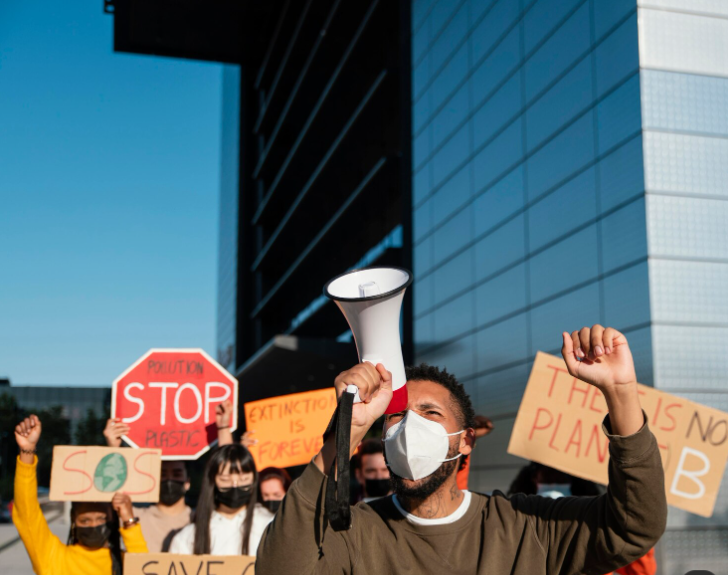
Major retailers sometimes face public criticism because of their business decisions, workplace policies, political associations, or relationships with government agencies. In recent years, home depot boycott campaigns have attracted attention from customers, workers, community organizations, and social media users. These campaigns have encouraged consumers to reconsider where they shop and how their spending supports businesses.
The controversy surrounding The Home Depot involves several different issues, including immigration enforcement activities near store locations, diversity and inclusion policies, and political concerns connected to company leadership and business practices. Different campaigns have focused on different demands, so it is important not to treat every protest as part of the same movement.
Understanding the background, major events, public responses, and arguments from different perspectives can help readers understand why the retailer has become a subject of public discussion. This article explores the major controversies, the reasons behind consumer campaigns, the company’s responses, and the possible effects of organized boycotts.
What Is the Home Depot Boycott?
A consumer boycott is an organized effort to encourage people to stop purchasing products or services from a company to express disagreement with its actions or policies.
In the case of The Home Depot, different groups have called for customers to avoid shopping at its stores over concerns involving corporate decisions and immigration enforcement.
These campaigns have taken place at different times and in different locations. Some have focused on diversity, equity, and inclusion (DEI) policies, while others have centered on federal immigration enforcement activities around store properties.
The general purpose is to use consumer spending and public attention to encourage a company to respond to specific demands.
Why Has the Retailer Become a Target?
The Home Depot operates thousands of stores and serves homeowners, contractors, construction professionals, and businesses.
Its large presence makes the company an important part of many local communities. As a result, its policies and decisions can attract public attention.
Several issues have contributed to the controversy:
- Concerns about immigration enforcement near store locations.
- Questions about the company’s approach to diversity and inclusion.
- Public criticism of political associations involving company founders.
- Demands for greater corporate accountability.
- Concerns about the treatment and safety of day laborers.
Each issue has a different background, and the organizations involved do not necessarily share identical objectives.
Major Reasons Behind the Boycott Campaigns
Understanding the different concerns is essential to understanding the broader controversy.
1. Immigration Enforcement Activities Near Store Locations
One of the most prominent recent issues involves immigration enforcement activities near Home Depot stores.
Some locations have parking areas where day laborers gather to look for temporary construction, landscaping, and maintenance work. These workers often depend on nearby businesses and community networks to find employment.
Immigration enforcement operations around some store locations have generated protests and criticism from immigrant-rights organizations.
Activists argue that these activities create fear among workers and discourage people from accessing employment opportunities.
Some organizers have demanded that the retailer publicly oppose certain enforcement practices and take steps to protect workers gathering near its properties.
A February 2026 report from California described demonstrations at several Los Angeles-area locations, including Cypress Park, Westlake, and Torrance. Organizers raised concerns about day laborers and the future of a longstanding worker center near a store. CaloNews.com+1
2. Concerns About Diversity, Equity, and Inclusion Policies
Another major controversy emerged in 2025 when customers and advocacy groups questioned changes to the company’s public diversity and inclusion messaging.
In May 2025, reports indicated that a DEI section previously available on the company’s website had been removed.
The change generated criticism from customers who believed the company was reducing its public commitment to diversity and inclusion.
Some activists called for consumers to stop shopping at the retailer until it provided greater clarity about its policies.
The controversy also became part of a wider national discussion about corporate DEI programs and changing business practices. The Independent+1
3. Political Associations and Corporate Accountability
Political associations involving company founders have also contributed to earlier boycott discussions.
In 2019, calls for a consumer boycott emerged after co-founder Bernie Marcus expressed support for Donald Trump’s reelection campaign.
Some customers argued that shopping at the retailer indirectly supported political positions they opposed.
The company responded by emphasizing that Marcus had retired from his executive position and that his personal political activities did not represent the company’s official political position. KUOW+1
This situation illustrates how personal political statements by prominent business figures can influence customer perceptions of a company.
4. Worker Rights and Community Concerns
Worker rights have become another important part of the public discussion.
Community organizations argue that day laborers should have safe places to seek employment without facing intimidation or unnecessary disruption.
Some activists have called for stronger protections, improved communication, and better relationships between retailers and surrounding communities.
Their concerns include:
- Safe access to employment opportunities.
- Fair treatment of temporary workers.
- Protection from harassment.
- Clear communication with local communities.
- Greater corporate responsibility.
These demands are part of broader discussions about labor rights and the responsibilities of large retailers.
Timeline of Major Events
The controversy has developed over several years, with different campaigns focusing on different issues.
| Year | Major development | Main concern |
|---|---|---|
| 2019 | Customers called for a boycott following a co-founder’s political comments | Political associations |
| 2025 | Customers criticized reported changes to public DEI messaging | Diversity and inclusion |
| 2025 | Immigration-related protests gained attention at store locations | Worker safety and enforcement |
| November 2025 | Activists organized Black Friday demonstrations and broader consumer campaigns | Immigration and corporate accountability |
| February 2026 | Demonstrations continued at several Los Angeles-area locations | Day laborer protections |
| October 2026 | Organizers discussed ongoing corporate pressure campaigns at a public forum | Consumer activism and accountability |
These events represent reported developments, not one continuous nationwide campaign with identical demands. KUOW+4
How Have Activists Organized Protests?

Organized protests have taken different forms depending on the campaign and its objectives. Some groups have focused on public demonstrations, while others have encouraged consumers to change their shopping habits.
In-Store Demonstrations
Protesters have gathered outside retail locations to distribute information, display signs, and communicate their concerns.
Some demonstrations have also taken place inside stores. These activities are intended to attract public attention and encourage discussions about corporate responsibility.
For example, a November 2025 protest in Torrance, California, involved immigration-rights activists calling on shoppers to avoid the retailer during the Black Friday shopping period. Spectrum Local News
Social Media Awareness Campaigns
Social media has become an important communication tool for organizing consumer campaigns.
Activists use platforms such as Instagram, Facebook, TikTok, and X to:
- Share information about protests.
- Explain their concerns.
- Publish campaign announcements.
- Encourage consumers to participate.
- Distribute petitions.
- Promote alternative shopping options.
Hashtags and widely shared videos can help local campaigns receive national attention.
However, social media posts should be checked against reliable reporting because some claims may be incomplete, outdated, or misleading.
Community Organizations and Petitions
Local advocacy groups have also organized petitions, meetings, and community discussions.
These efforts allow participants to explain their demands and communicate directly with elected representatives, business leaders, and other community members.
Some campaigns have also explored financial pressure through investment decisions and institutional divestment.
What Has The Home Depot Said About the Controversies?
When a major retailer faces public criticism, its response can influence how customers understand the situation.
The Home Depot has addressed some of the controversies through public statements.
Response to DEI Concerns
During the 2025 discussion about its diversity and inclusion messaging, the company emphasized its commitment to respect and welcoming people from different backgrounds.
In a statement reported by FOX 5 Atlanta in July 2025, the company said its success was driven by values that included respect for all people and that it was proud of a culture welcoming everyone. FOX 5 Atlanta
Response to Immigration Enforcement Concerns
Immigration-related criticism has raised questions about what retailers can control when federal agents conduct enforcement activities on or near their properties.
Reporting by the Financial Times described the company’s position that it is not notified in advance of immigration enforcement operations and cannot legally obstruct federal agents.
Immigration advocates, meanwhile, have argued that retailers should take additional steps to protect workers and community members. Financial Times
These differing perspectives are important when evaluating the controversy. The company’s stated position and activists’ allegations should be understood separately rather than treated as identical claims.
How Does a Consumer Boycott Work?
A consumer boycott uses purchasing decisions to communicate dissatisfaction with a company’s behavior.
Instead of relying only on complaints or public statements, participants attempt to create economic and reputational pressure.
1. Customers Change Their Shopping Habits
The simplest form of participation involves avoiding purchases from a particular retailer.
Customers may choose independent hardware stores, local suppliers, or competing businesses for products they would otherwise purchase from the targeted company.
2. Campaigns Spread Public Awareness
Organizers share information about the issues they want the public to understand.
They may use social media, petitions, interviews, public meetings, and demonstrations to attract attention.
3. Organizations Communicate Specific Demands
A campaign is generally easier to understand when its organizers explain what they want the company to change.
For example, demands may involve:
- Public statements about immigration enforcement.
- Better communication with affected communities.
- Clearer worker protection policies.
- Greater transparency about corporate decisions.
- Stronger commitments to workplace inclusion.
4. Companies Evaluate Public and Business Pressure
Retailers may monitor customer feedback, sales performance, employee concerns, public reputation, and investor reactions.
However, a change in sales does not automatically prove that a boycott caused it. Other factors, including economic conditions, housing demand, and consumer spending patterns, can also influence business performance.
How Can Customers Participate in a Boycott?
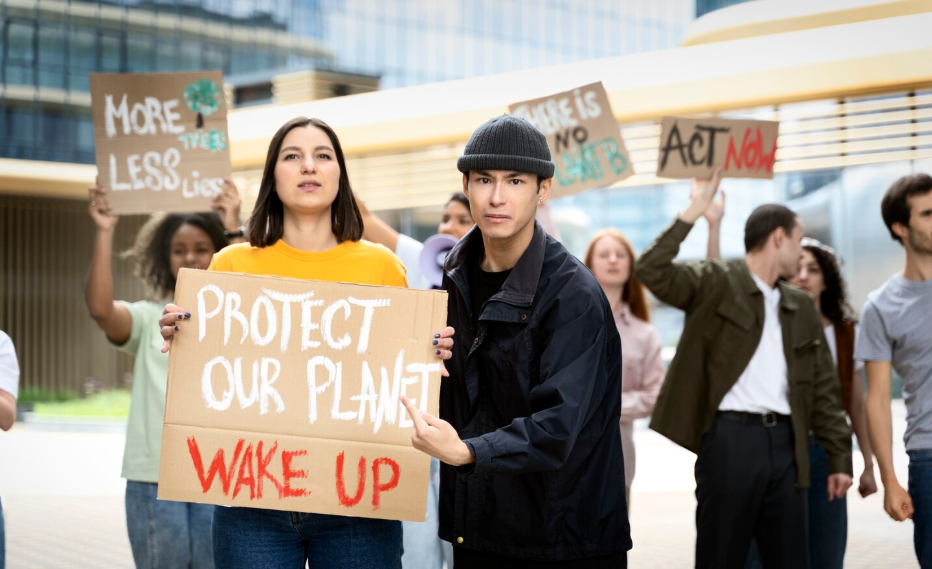
People who want to understand or participate in a consumer campaign can begin by researching its objectives and the organizations involved.
Participation can take different forms, depending on individual preferences.
Research the Campaign
Before making a decision, investigate the reasons behind the campaign.
Look for information from:
- The organizations organizing the protest.
- Local news publications.
- Independent journalists.
- Official company statements.
- Community organizations.
- Publicly available corporate documents.
Comparing different sources can help distinguish verified information from opinions and allegations.
Consider Alternative Retailers
Customers who decide to shop elsewhere can explore local hardware stores and other home improvement retailers.
Potential alternatives include:
- Independent hardware businesses.
- Local building supply companies.
- Regional home improvement stores.
- Online retailers.
- Community-based suppliers.
Compare product quality, prices, availability, and customer service before choosing an alternative.
Share Verified Information
People can also contribute by sharing accurate reporting and explaining why an issue matters to them.
Avoid circulating unverified claims or misleading photographs. Accurate information helps maintain constructive public discussion.
What Are the Possible Economic Effects?
Consumer campaigns can create different types of pressure on businesses.
However, the financial impact depends on participation levels, campaign duration, customer loyalty, and the availability of alternatives.
Effects on Retail Sales
If a significant number of customers stop shopping at a retailer, the business may experience lower sales in certain markets.
However, it is difficult to measure the direct financial effect of a particular campaign without reliable sales data.
Effects on Brand Reputation
Public criticism can influence how customers, employees, suppliers, and investors view a company.
Negative publicity may also affect customer confidence, particularly when concerns continue for an extended period.
Effects on Local Communities
Retail boycotts can affect more than corporate leadership.
Local stores employ workers, purchase services, and contribute to surrounding business activity. A prolonged decline in store activity may create challenges for employees and nearby businesses.
At the same time, customers who redirect their spending may support independent suppliers and smaller retailers.
Effects on Corporate Decision-Making
Companies may review policies, communication strategies, and community relationships when facing sustained public criticism.
Nevertheless, a boycott does not guarantee that a company will adopt the changes requested by campaign organizers.
Arguments From Different Perspectives
The public discussion involves different viewpoints, and understanding these perspectives can provide a more complete picture.
| Perspective | Main argument |
|---|---|
| Immigration-rights advocates | Retailers should help protect workers and communities affected by enforcement activities |
| Supporters of corporate neutrality | Businesses should not be expected to take positions on every political issue |
| Concerned customers | Companies should explain decisions that affect public trust |
| Business representatives | Retailers must consider legal obligations, employees, customers, and operations |
| Local community members | Store policies should account for the needs and safety of surrounding neighborhoods |
These perspectives reflect different priorities rather than a single agreed interpretation of the controversy.
Why Do Some Customers Support the Campaigns?
Supporters may believe that companies have responsibilities beyond selling products.
They argue that retailers should consider how their policies and business operations affect employees, temporary workers, and surrounding communities.
Some also believe that changing purchasing habits is a peaceful way to communicate disagreement.
Why Do Some Customers Oppose Boycotts?
Other customers may believe that businesses should remain focused on providing products and services rather than becoming involved in political disputes.
Some are concerned that boycotts could negatively affect ordinary employees and local communities.
Others prefer direct communication with company leadership instead of withdrawing their business.
Both viewpoints are part of the wider discussion about consumer activism and corporate responsibility.
Is the Boycott Still Active in 2026?
As of November 3, 2026, publicly reported activity indicates that immigration-related organizing and criticism involving The Home Depot have continued beyond the initial 2025 demonstrations.
A report published on October 23, 2026, discussed ongoing organizing by the Boycott Home Depot Coalition and other pressure campaigns at a public forum in Los Angeles. Organizers described efforts involving consumer action, public awareness, and investment-related pressure. LA Progressive
Earlier reporting in February 2026 also documented continued demonstrations in the Los Angeles area. CaloNews.com
However, this does not establish that every location is experiencing protests or that there is one nationwide campaign with uniform participation.
The level of activity can vary by community, organization, and campaign objective.
Customers interested in current developments should look for recent local reporting and direct statements from the organizations involved.
How to Make Informed Shopping Decisions
Customers who want to make purchasing decisions based on corporate practices can use a few practical strategies.
Compare Different Retailers
Look at alternative businesses before making major purchases. Compare:
- Product prices.
- Product availability.
- Return policies.
- Delivery options.
- Customer service.
- Local business practices.
This approach helps customers understand their choices without relying on assumptions.
Read Company Policies
Review publicly available information about workplace practices, community involvement, and corporate responsibility.
Official company statements, annual reports, and public disclosures can provide useful background.
Support Local Businesses
Independent hardware stores and local suppliers can provide alternatives for household repairs and construction projects.
Shopping locally may also help support small businesses and neighborhood employment.
Follow Developments Over Time
Corporate controversies can change as companies respond, advocacy groups adjust their demands, and new information becomes available.
Avoid relying entirely on older news articles when evaluating current developments.
Key Points to Remember
- Several different consumer campaigns have targeted The Home Depot over the years.
- Immigration enforcement activities near certain store locations became a major source of protests during 2025 and 2026.
- Changes to public DEI messaging generated separate criticism in 2025.
- Earlier political controversies involving a company co-founder also prompted customer reactions.
- Activists have used demonstrations, petitions, social media, and consumer spending campaigns.
- The company has publicly addressed some of the concerns.
- Different advocacy organizations have different objectives and demands.
- Local stores and employees may also experience the effects of consumer campaigns.
- Boycotts do not guarantee changes in corporate policies.
- Customers should verify information through reliable reporting and official statements.
Final Thoughts
The controversy surrounding The Home Depot demonstrates how consumer activism can bring attention to corporate policies, workplace concerns, immigration enforcement, and community relationships. Different campaigns have emerged for different reasons, and their demands should be evaluated individually.
While some customers support organized protests as a way to encourage corporate accountability, others believe businesses should focus on their commercial responsibilities and avoid political involvement. Understanding both perspectives helps readers make informed decisions.
For customers, the most useful approach is to research the issues, examine reliable sources, compare available retailers, and decide where to spend their money based on their own priorities. As public discussions continue, transparency, accurate information, and constructive communication will remain important.
Frequently Asked Questions (FAQs)
1. Why are people calling for a boycott of Home Depot?
Different groups have called for boycotts over immigration enforcement activities near certain stores, concerns about DEI policies, and other corporate or political issues. The demands vary between campaigns.
2. When did the protests against Home Depot begin?
Different campaigns emerged at different times. Political-related boycott calls appeared in 2019, DEI-related criticism gained attention in 2025, and immigration-related demonstrations became particularly visible during 2025 and continued into 2026.
3. Has Home Depot responded to the boycott criticism?
Yes. The company has issued public statements addressing some concerns, including its commitment to respecting people from different backgrounds. It has also explained its position regarding immigration enforcement activities.
4. Are Home Depot stores closing because of the protests?
There is no evidence establishing a nationwide store closure program caused by these campaigns. Individual locations may experience demonstrations or temporary operational disruptions, but these should not be confused with permanent closures.
5. What stores can customers consider instead?
Customers can explore independent hardware stores, local building suppliers, regional home improvement retailers, and online shopping platforms. Comparing prices, product availability, and customer service can help identify suitable alternatives.
One thought on “Home Depot Boycott: Reasons Behind the Protests, Public Concerns, and Consumer Reactions”