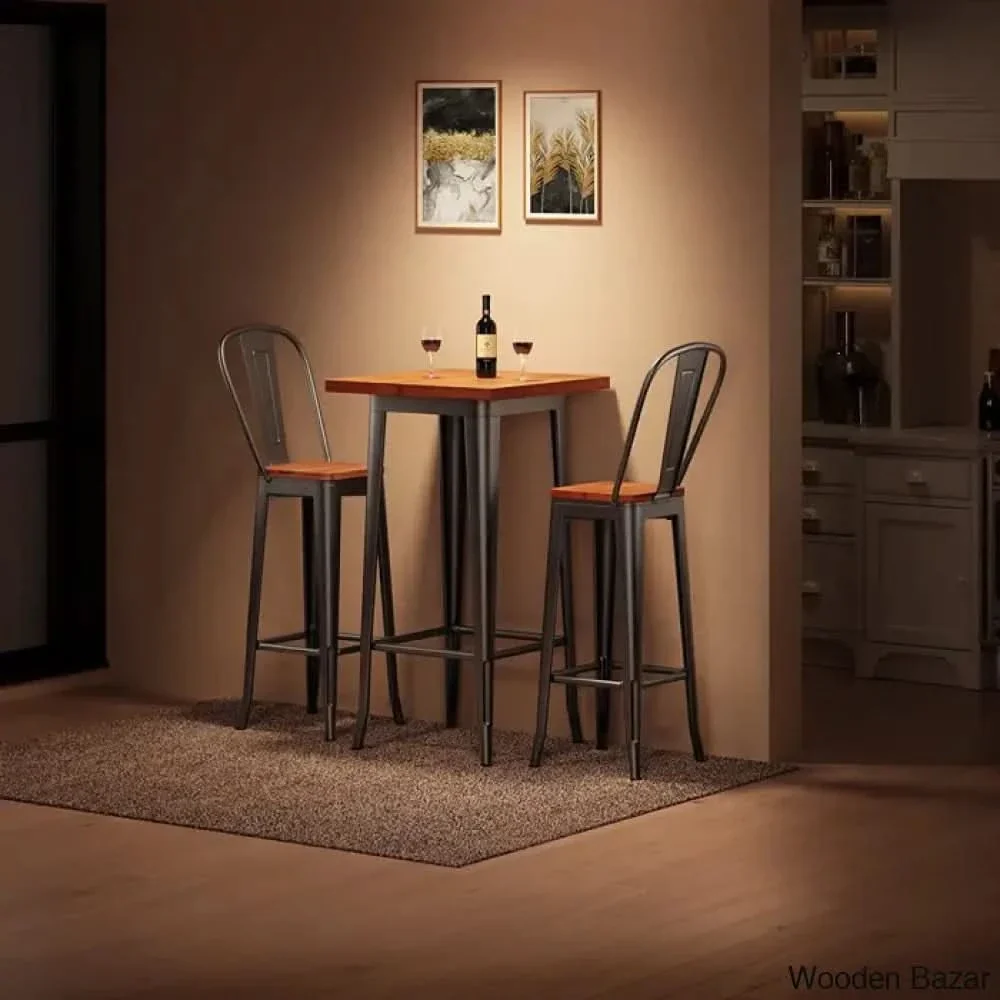
Counter height dining room chairs are an excellent choice for kitchens, dining areas, and open-plan homes featuring counter-height tables or kitchen islands. Designed to provide comfortable seating at elevated surfaces, these chairs combine everyday functionality with a modern, relaxed appearance. Whether you are furnishing a breakfast bar, creating a casual dining area, or updating your kitchen island seating, choosing the right chairs can improve both comfort and the overall look of your home.
Available in wood, metal, upholstered fabric, leather, and mixed-material designs, counter height chairs suit a wide range of interior styles. Some feature supportive backs and padded seats for extended meals, while others have streamlined silhouettes that work well in smaller spaces. With so many choices available, it is important to consider seat height, table dimensions, materials, stability, and maintenance before making a purchase.
This guide explains the different styles of counter height dining chairs, how to measure for the right fit, which materials to consider, and how to create a coordinated dining space.
What Are Counter Height Dining Room Chairs?
Counter height dining room chairs are designed for elevated dining surfaces, such as kitchen counters, breakfast bars, and counter-height dining tables. They are generally taller than standard dining chairs but shorter than many bar-height stools.
A typical counter-height surface measures approximately 34–36 inches from the floor, while counter-height chairs often have a seat height of around 24–26 inches. These are general measurements, so checking the specifications of both the chair and the table is essential.
The extra height allows people to sit comfortably at a raised counter without feeling too low or having to stretch upward. Depending on the design, counter height seating may include a full backrest, armrests, a padded seat, or a footrest.
Unlike backless stools, many counter height dining chairs resemble traditional dining chairs with longer legs. This makes them particularly suitable for homeowners who want the comfort and appearance of conventional seating while maintaining a casual, elevated dining arrangement.
Counter Height Chairs vs. Bar Height Chairs
Counter height and bar height chairs may look similar, but they are designed for different surface heights. Choosing the wrong type can make meals uncomfortable and affect the usability of your kitchen island.
| Feature | Counter height chairs | Bar height chairs |
|---|---|---|
| Typical seat height | 24–26 inches | 28–32 inches |
| Typical surface height | 34–36 inches | 40–42 inches |
| Common placement | Kitchen islands and counter-height tables | Home bars and taller bar tables |
| General appearance | Casual dining and kitchen seating | Elevated bar-style seating |
| Best measurement to check | Seat-to-counter clearance | Seat-to-bar clearance |
These measurements are approximate because individual furniture designs vary. Always use the manufacturer’s listed dimensions rather than relying only on the product name.
For comfortable seating, aim for approximately 10–12 inches between the chair seat and the underside of the counter or tabletop. This gives your legs room and helps prevent your knees from hitting the surface.
If the counter includes a thick apron or decorative edge, measure from the floor to the lowest part of that structure. The usable clearance may be less than the countertop height suggests.
Popular Styles of Counter Height Dining Room Chairs
The right chair style depends on your home’s décor, seating needs, and available space. Different designs can create very different atmospheres, even when they share the same seat height.
Wooden Counter Height Dining Chairs
Wooden counter height chairs offer a timeless appearance that suits traditional, farmhouse, rustic, and Scandinavian interiors. Common finishes include natural oak, walnut tones, painted white, black, and distressed wood.
Wooden chairs can provide a sturdy seating option for everyday use. Some feature simple straight backs, while others have ladder-back or spindle-back designs that add decorative detail.
For a coordinated kitchen, choose chairs that complement the cabinetry or dining table. Matching the wood exactly is not always necessary; a similar undertone or complementary finish can create a balanced look.
Upholstered Counter Height Chairs
Upholstered chairs feature padded seats and, in many designs, cushioned backs. They are a good choice for households that regularly use a kitchen island for meals, conversations, or working on a laptop.
Popular upholstery materials include polyester fabric, linen blends, velvet, microfiber, and faux leather. Each material offers different levels of softness, stain resistance, and maintenance requirements.
Neutral upholstery can complement a wide range of interiors, while colors such as navy, green, or warm brown can introduce contrast.
For a busy kitchen, look for upholstery with clear cleaning instructions and a fabric suitable for frequent use.
Metal Counter Height Chairs
Metal counter height chairs can create an industrial, contemporary, or minimalist appearance. They often feature slim frames, simple lines, and durable finishes.
Black metal chairs work particularly well with wood countertops, stone surfaces, and modern cabinetry. Brushed metal finishes may suit kitchens with stainless steel appliances or other metallic accents.
Some metal chairs have wooden or upholstered seats for added comfort. If you choose a model with a hard seat, consider whether a cushion would improve comfort for longer meals.
Counter Height Dining Chairs With Arms
Armchairs provide additional support and can make seating feel more substantial. They are often suitable for larger kitchen islands or counter-height dining tables where comfort is a priority.
However, armrests require additional clearance. Before buying, check whether the arms will slide beneath the counter and whether the chair can be positioned without hitting nearby cabinetry.
Armchairs may also need more space between seats, so they are not always the best option for narrow counters.
Swivel Counter Height Chairs
Swivel chairs allow users to rotate while seated, making it easier to turn toward other people or move between different areas of an open-plan kitchen.
Some swivel models include upholstered seats, supportive backs, and footrests. They can be especially useful at kitchen islands where people frequently move between cooking, dining, and socializing.
Check the swivel mechanism for smooth movement and ensure the chair has a stable base. The chair should also have enough clearance to rotate without hitting cabinets or neighboring furniture.
Backless Counter Height Stools
Although backless stools are different from traditional dining chairs, they are another option for elevated counters. Their compact design allows them to be tucked beneath the counter when not in use.
Backless seating can work well in small kitchens where preserving floor space is important. However, it may offer less back support than a full chair, making it less suitable for people who prefer to sit for extended periods.
How to Choose the Right Seat Height
Seat height is one of the most important factors when purchasing counter height dining chairs. Even an attractive chair may be uncomfortable if it is too high or too low for the counter.
Start by measuring the distance from the floor to the underside of your countertop. Then subtract approximately 10–12 inches to estimate a comfortable seat height.
For example, if the underside of your counter is 35 inches from the floor, a chair with a seat height of approximately 23–25 inches may provide suitable clearance. The exact fit depends on the countertop design, chair cushion compression, and your personal preferences.
When comparing products, pay attention to the actual seat height rather than the total height of the chair. A chair with a tall backrest may look much taller than its seating surface.
Also consider the height of the footrest. A properly positioned footrest can improve comfort by supporting your feet rather than leaving your legs dangling.
If possible, test the chairs before purchasing. Sit upright, place your feet on the footrest, and check that your knees fit comfortably beneath the counter.
Best Materials for Counter Height Dining Chairs
The material influences a chair’s durability, appearance, comfort, and maintenance requirements.
| Material | Advantages | Considerations |
|---|---|---|
| Solid wood | Natural appearance and classic styling | May require protection against scratches and moisture |
| Metal | Contemporary appearance and sturdy frame options | Hard seats may require cushions |
| Upholstered fabric | Comfortable seating and many color choices | Cleaning requirements vary by fabric |
| Faux leather | Smooth appearance and convenient surface cleaning on many models | Quality and durability vary |
| Rattan or woven materials | Adds texture and a relaxed, natural look | Weave and frame construction need careful inspection |
| Plastic or molded materials | Lightweight and often easy to wipe clean | Style, comfort, and durability vary by design |
There is no single best material for every home. Wooden chairs may be ideal for traditional kitchens, metal frames can complement contemporary interiors, and upholstered designs may be more comfortable for long meals.
For households with children or frequent spills, consider how easily the seat can be cleaned. Always follow the manufacturer’s care instructions to avoid damaging the finish or upholstery.
How Many Counter Height Chairs Do You Need?
The number of chairs depends on the length of your counter, the width of each chair, and how much space diners need to sit comfortably.
As a general guideline, allow approximately 24–30 inches of counter length per person. Wider chairs or armchairs may require more room, while compact armless designs can sometimes fit more closely together.
| Counter length | Approximate seating capacity |
|---|---|
| 36 inches | 1 person comfortably |
| 48 inches | 2 people, depending on chair width |
| 60 inches | 2 people comfortably or 3 compact seats |
| 72 inches | Around 3 people |
| 84–96 inches | Around 3–4 people, depending on the design |
These figures are planning estimates rather than fixed rules. The width of the chair, spacing between diners, and placement of supports beneath the counter can change the number of seats that fit.
Before purchasing a complete set, measure the usable counter length and mark the intended chair positions. This helps you avoid buying more chairs than the space can accommodate.
Matching Counter Height Chairs With Your Kitchen Décor
Counter height dining chairs can become an important design feature in an open-plan kitchen. Coordinating them with your countertops, cabinets, lighting, and flooring helps create a unified appearance.
Modern kitchens: Choose chairs with clean lines, slim metal frames, or simple upholstered seats. Black, gray, cream, and muted colors often work well with contemporary cabinetry.
Farmhouse interiors: Wooden chairs with natural finishes, spindle backs, or distressed details complement shaker cabinets, butcher-block countertops, and warm lighting.
Scandinavian spaces: Light wood, neutral upholstery, and simple silhouettes create a bright and uncluttered appearance.
Industrial kitchens: Metal frames, dark finishes, and wood seats can complement exposed materials and darker countertops.
Traditional dining areas: Upholstered chairs with supportive backs and classic wood finishes provide a comfortable, refined look.
You can coordinate the chairs with the countertop without matching every material exactly. For example, walnut-tone chairs can complement a lighter wood island, while cream upholstery can soften a dark countertop.
Consider lighting as well. Pendant lights above a kitchen island can visually connect the seating area to the rest of the kitchen while providing useful illumination.
Comfort and Ergonomic Features to Consider
A chair should look good, but it should also provide comfortable support. This is particularly important if your kitchen island doubles as a dining table, homework station, or casual workspace.
Look for a supportive backrest that encourages a natural sitting position. Padded seats can improve comfort, especially when meals or conversations last longer than expected.
A footrest is another useful feature. Because counter height chairs sit higher than standard dining chairs, a footrest helps support the legs and reduce the feeling of dangling feet.
Seat width and depth also matter. Larger users may prefer wider seats, while smaller users may find a deep seat uncomfortable if they cannot sit back while keeping their feet supported.
If you choose swivel chairs, test the mechanism and check that the base remains stable during normal movement. For households with children, consider whether a simpler fixed chair would be more suitable for your needs.
Maintaining Counter Height Dining Chairs
Proper care helps keep dining chairs looking attractive and functioning well.
- Wipe wooden and metal surfaces with a soft cloth and use cleaning products recommended for the finish.
- Clean food spills promptly to reduce the risk of stains or surface damage.
- Vacuum upholstered seats regularly using a suitable attachment.
- Follow the manufacturer’s instructions for cleaning fabric, faux leather, or woven materials.
- Tighten screws and bolts when necessary and according to the product instructions.
- Check footrests, swivel mechanisms, and chair joints periodically.
- Use protective pads where appropriate to prevent floor scratches.
- Avoid leaning excessively on chair backs or using the footrest as a step.
If the chairs have removable cushions, check whether the covers are washable before attempting to clean them. Some upholstery requires professional cleaning or specific care products.
For wooden chairs, protect the finish from prolonged moisture and strong direct sunlight. For metal chairs, inspect the finish periodically, especially if the chairs are used in a humid environment.
Common Mistakes to Avoid When Buying Counter Height Chairs
One common mistake is purchasing bar-height chairs instead of counter-height chairs. Although the designs may look similar, the extra seat height can make it difficult to sit comfortably at a standard kitchen island.
Another mistake is ignoring the underside of the countertop. Decorative aprons, drawers, and support brackets can reduce the available legroom, even when the overall counter height appears suitable.
Buying chairs that are too wide can also create problems. The seats may fit along the counter when empty but leave insufficient room for diners once everyone is seated.
It is equally important to consider stability and construction. Inspect the frame, joints, footrest, and any moving components before making a decision.
Finally, avoid selecting chairs based on appearance alone. Seat height, back support, ease of cleaning, and everyday comfort are just as important as color and style.
Frequently Asked Questions
What is the standard height for counter height dining room chairs?
Counter height chairs commonly have seat heights of approximately 24–26 inches and are designed for counters around 34–36 inches high. Actual dimensions vary, so measure your counter and compare the manufacturer’s specifications before purchasing.
What is the difference between counter height chairs and bar stools?
Counter height chairs are generally designed for lower kitchen counters and counter-height dining tables. Bar stools are usually taller and suit bar-height surfaces. Both styles may have backs, footrests, or swivel features, depending on the design.
Are upholstered counter height chairs a good choice for kitchens?
Yes. Upholstered chairs can provide extra comfort for meals and conversations. Choose a material with practical cleaning requirements, especially if the chairs will be exposed to food spills or frequent everyday use.
How much space should I leave between counter height chairs?
Allowing approximately 24–30 inches of counter length per person is a useful starting point. Wider seats and armrests may require more space, so measure the chairs and plan their placement before purchasing.
Are counter height dining chairs suitable for kitchen islands?
Yes. They are specifically designed for many elevated kitchen counters and islands. The key is to confirm the seat height, underside clearance, and available counter length to ensure comfortable seating.
Conclusion
Counter height dining room chairs offer a practical and stylish seating solution for kitchen islands, breakfast bars, and elevated dining tables. With options ranging from classic wooden chairs to upholstered designs, modern metal frames, and convenient swivel models, it is possible to find seating that complements almost any interior.
The best chairs should match your counter height, provide enough legroom, and fit comfortably within the available space. Consider material quality, seat dimensions, back support, footrests, and cleaning requirements before making a purchase.
By measuring carefully and choosing chairs that suit your household’s needs, you can create a comfortable and attractive kitchen seating area for everyday meals, conversations, and entertaining guests.