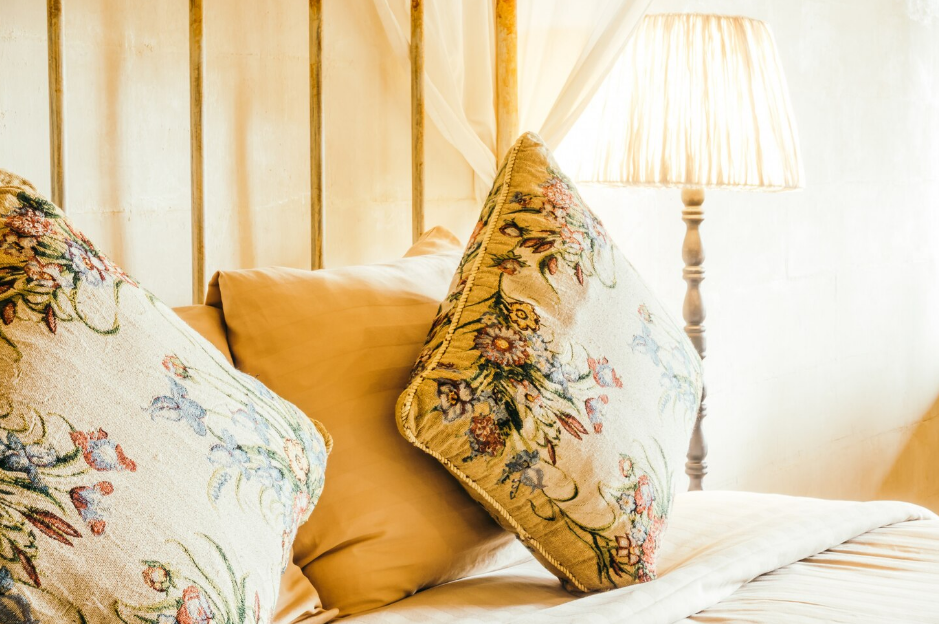
Floral pillow covers are an easy and affordable way to introduce color, pattern, and personality into a living space. Whether you prefer delicate botanical prints, bold tropical flowers, vintage-inspired designs, or simple floral accents, the right pillow cover can transform the appearance of a sofa, bed, chair, or reading nook. Unlike replacing large pieces of furniture, changing decorative pillow covers requires little effort and can give a room an entirely different atmosphere. They are especially useful for homeowners who enjoy updating their interiors with the seasons or experimenting with different decorating styles without making permanent changes.
Why Floral Designs Work Well in Home Decor
Flowers have long been associated with natural beauty, freshness, and comfort. Floral patterns can bring some of that visual character indoors while creating a welcoming atmosphere.
One of the biggest advantages of floral designs is their variety. A floral pattern can be romantic and traditional, modern and artistic, subtle and minimalist, or colorful and energetic. This makes floral decoration suitable for many different interiors.
The colors within a floral pattern can also help connect different elements of a room. For example, a pillow featuring green leaves and cream flowers may complement a neutral sofa while subtly repeating colors found in curtains, rugs, or wall artwork.
Because pillow covers are relatively small accessories, they allow homeowners to experiment with floral patterns without overwhelming the entire room.
Choosing the Right Floral Pattern
The pattern should reflect the atmosphere you want to create. Large flowers can make a strong statement and work well as focal points. Smaller floral prints tend to create a softer and more understated appearance.
Botanical patterns featuring leaves, stems, and branches can provide a natural look. Traditional flower arrangements may suit classic interiors, while abstract floral artwork can complement contemporary spaces.
If your furniture is already heavily patterned, a simpler floral design may provide better balance. On the other hand, a plain sofa or bed can support a more detailed pattern.
Think about scale as well. A large floral print may look impressive on a large cushion, but the same design can appear crowded on a small pillow.
Floral Pillow Covers for the Living Room
The living room is one of the easiest places to use decorative floral covers. A neutral sofa provides an excellent background for colorful botanical designs.
For a calm appearance, choose floral covers with soft greens, creams, beige, muted blues, or pastel shades. If you want the sofa to become a focal point, stronger colors such as deep red, orange, yellow, pink, or rich purple can create more visual energy.
You can also combine floral cushions with plain pillows. This prevents the sofa from becoming visually overwhelming while allowing the floral pattern to stand out.
A useful approach is to select one dominant floral design and then coordinate it with solid-colored cushions in colors taken directly from the pattern.
Using Floral Covers in the Bedroom
Floral designs can create a comfortable and inviting bedroom atmosphere. They work particularly well with neutral bedding because they add visual interest without requiring an entirely new bedding set.
For a romantic bedroom, consider delicate flowers in soft colors. For a country-inspired space, botanical or vintage floral patterns may work well.
Modern bedrooms can also use floral designs. Instead of traditional flower arrangements, look for simplified botanical illustrations, oversized flowers, or abstract patterns.
Layering several pillows of different sizes can make a bed look more finished. Use larger cushions toward the back and smaller decorative pillows toward the front.
Selecting the Right Fabric
Fabric has a major impact on both appearance and functionality. Cotton is a popular option because it is comfortable, versatile, and relatively easy to maintain.
Linen provides a relaxed, natural appearance and can work especially well with botanical designs. Velvet can make floral patterns appear richer and more luxurious.
Polyester and blended fabrics can offer durability and resistance to everyday wear. These may be useful in busy households where pillow covers are frequently handled.
When selecting a fabric, consider where the pillow will be used. A decorative cushion on a formal bed may have different requirements from one placed on a frequently used family-room sofa.
Matching Floral Covers With Furniture
Floral patterns do not need to match furniture exactly. Instead, they should complement the overall color palette and style.
A neutral sofa can accommodate almost any floral pattern. With a colored sofa, identify one or two shades within the upholstery and look for floral designs that include similar tones.
Wood furniture can pair particularly well with botanical patterns because both elements create a natural visual relationship.
For dark furniture, lighter floral patterns can provide contrast. With lighter furniture, deeper floral tones can add definition.
The goal is to create coordination rather than perfect matching. A room can look more interesting when patterns and colors relate to one another without being identical.
Combining Floral Patterns With Other Prints
Using multiple patterns can create a layered and sophisticated interior, but the combination needs some planning.
A floral pillow can be paired with stripes, checks, geometric patterns, or subtle textures. One useful strategy is to vary the scale of the patterns.
For example, a large floral design can be paired with a small geometric pattern and a simple solid-colored cushion. This creates contrast while keeping the arrangement visually organized.
Repeating one color across different patterns can also help unify the combination.
Avoid selecting several equally bold patterns with completely unrelated colors. Too much visual competition can make a room feel cluttered.
Seasonal Decorating With Floral Covers
Floral designs are particularly useful for seasonal decorating because different flowers and colors can create different moods.
Spring-inspired designs often feature lighter colors, fresh greens, and delicate flowers. Summer patterns may use brighter tones and larger botanical elements.
Autumn floral designs can incorporate warm shades such as rust, mustard, burgundy, and deep green. Winter arrangements can use darker botanical colors or floral patterns combined with richer fabrics.
Because the covers can be removed and stored, homeowners can rotate them throughout the year without replacing their pillows.
Floral Covers for Different Interior Styles
Floral patterns are not restricted to one decorating style.
In farmhouse interiors, traditional flowers, botanical prints, and soft neutral colors can create a relaxed appearance.
For cottage-style rooms, small-scale floral patterns and pastel colors can provide a cozy atmosphere.
Traditional interiors can benefit from detailed floral designs featuring classic color combinations.
Modern spaces may look better with oversized flowers, simplified botanical illustrations, or abstract floral patterns.
Bohemian interiors can support colorful floral designs combined with textured fabrics and other decorative patterns.
This flexibility makes floral pillow covers useful for both classic and contemporary homes.
Creating a Minimalist Floral Look
People sometimes assume that floral patterns are incompatible with minimalist interiors, but that is not necessarily true.
The key is restraint. Instead of covering an entire sofa with floral cushions, use one or two carefully selected pieces.
Choose designs with limited colors, clean backgrounds, and simple botanical shapes. Neutral floral patterns can add subtle character without disrupting a minimalist aesthetic.
A single floral pillow on a plain armchair can become a small focal point while maintaining the clean appearance of the room.
Using Color Strategically
Color is one of the most important considerations when selecting floral covers. Look beyond the flowers themselves and examine the background color, leaves, stems, and secondary details.
A cream background can create a softer appearance than a dark background. Deep green leaves can add natural contrast to bright flowers.
If your room already has a strong accent color, choosing a floral design that repeats that color can help tie the space together.
You can also use floral pillows to introduce a new accent color gradually. This is less demanding than repainting walls or replacing furniture.
Choosing the Right Size
Pillow cover size should match the pillow insert. A cover that is too small can distort the cushion, while one that is too large may create a loose or untidy appearance.
Consider the size of the furniture as well. Large sofas can support larger cushions, while smaller chairs generally look better with compact pillows.
Using multiple sizes can create depth. Square cushions are versatile, while rectangular or lumbar pillows can provide variety.
When purchasing replacement covers, measure existing inserts carefully rather than relying only on visual estimates.
Caring for Floral Pillow Covers
Proper care helps preserve both the fabric and printed design. Always follow the manufacturer’s cleaning instructions because different materials require different methods.
Washable covers are particularly convenient for households where pillows are frequently used. Before washing, check whether the colors are likely to fade and whether the fabric requires a gentle cycle.
Avoid harsh cleaning methods unless they are specifically recommended for the material. Proper drying can also help prevent shrinking or fabric damage.
For covers with embroidery, embellishments, or delicate stitching, additional care may be necessary.
Indoor and Outdoor Applications
Floral pillow covers can be used in outdoor spaces when they are specifically designed for outdoor conditions. Patio seating, balconies, porches, and garden areas can benefit from botanical patterns.
Outdoor covers should be made from materials appropriate for exposure to sunlight and moisture. Indoor decorative fabrics may not perform well outdoors.
For indoor use, homeowners have much greater flexibility because they can choose delicate fabrics and detailed designs without worrying about outdoor weather conditions.
Decorating on a Budget
Replacing pillow covers instead of entire pillows can be a cost-effective decorating strategy. If the existing inserts are still in good condition, changing only the covers can create a fresh look.
This approach also makes it easier to experiment. You can keep several sets of covers and rotate them according to the season, occasion, or mood.
When shopping, prioritize construction, fabric quality, zipper or closure design, and compatibility with your pillow inserts rather than choosing solely based on appearance.
A well-made cover can remain useful for years and can be incorporated into different decorating styles as your preferences change.
Common Mistakes to Avoid
One common mistake is using too many competing floral patterns. A room does not need flowers on every decorative surface.
Another issue is choosing colors that have no relationship to the existing room. A beautiful pillow may still look disconnected if it does not complement the surrounding furniture and accessories.
Ignoring fabric quality can also create problems. Decorative covers that look attractive but are difficult to clean may become impractical in high-use areas.
Finally, avoid choosing a pattern solely because it is currently fashionable. Consider whether you will continue to enjoy the design over time.
Final Thoughts
Floral pillow covers offer a simple way to refresh a home while adding color, texture, and personality. Their versatility allows them to work in living rooms, bedrooms, reading areas, entryways, and suitable outdoor spaces. From delicate botanical prints to bold contemporary flowers, there are designs for nearly every decorating preference. By considering pattern scale, fabric, color, furniture, room style, and maintenance requirements, you can select covers that enhance your existing decor rather than competing with it. Since covers can be changed and stored easily, they also provide a practical way to experiment with seasonal and evolving interior styles.
Frequently Asked Questions
1. Are floral pillow covers suitable for modern homes?
Yes. Modern interiors can use floral designs successfully, particularly when the patterns feature clean shapes, limited colors, abstract flowers, or simplified botanical illustrations.
2. What colors work well with floral pillow covers?
The best colors depend on the existing room. Neutral shades such as cream, beige, gray, and white are versatile, while colors drawn from the floral pattern can help create a coordinated appearance.
3. Can floral pillow covers be used on a sofa?
Yes. Floral covers can add pattern and personality to sofas, especially when paired with solid-colored cushions. They can also help introduce an accent color into a neutral living room.
4. How do I choose the right size floral pillow cover?
Choose a cover that corresponds closely to the dimensions of the pillow insert. Measure the insert before purchasing and consider the size of the furniture to maintain appropriate proportions.
5. Can I use floral pillow covers outdoors?
You can use them outdoors when they are specifically designed for outdoor conditions. Outdoor covers should be made from materials that can handle factors such as sunlight and moisture. Indoor-only covers may deteriorate quickly when exposed to weather.