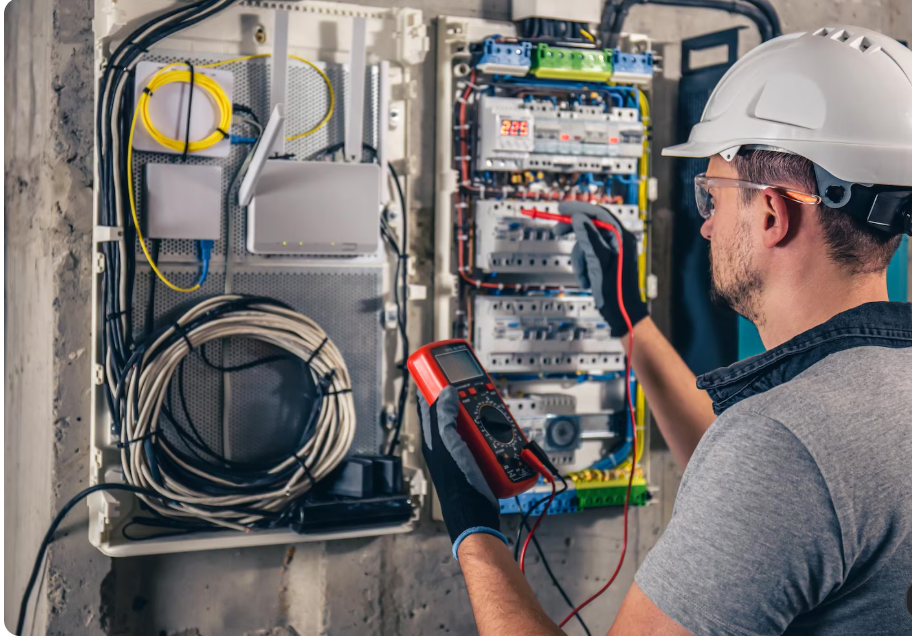
Electrical systems are essential to a comfortable and functional home. From lighting and ceiling fans to switches, outlets, and everyday electrical fixtures, homeowners depend on reliable electricity for daily activities. When something stops working, electrical handyman services can help address minor household maintenance needs and identify when specialized electrical expertise is required.
Whether you need help with a faulty light fixture, a loose switch cover, a new lighting installation, or general home maintenance, choosing the right professional is important. Electrical problems can involve hidden wiring faults, overloaded circuits, and potential fire hazards, so the work must match the professional’s qualifications and experience.
This guide explains what electrical handyman services include, common household electrical problems, the benefits of professional assistance, factors affecting service costs, and how to choose a qualified provider.
What Are Electrical Handyman Services?
Electrical handyman services refer to household maintenance and minor electrical-related tasks offered by professionals who have the appropriate skills and authorization for the work. Some handyman businesses provide limited electrical services, while others coordinate with qualified electricians for technical repairs and installations.
The services available depend on local regulations, the provider’s qualifications, and the complexity of the job.
Common service requests may include:
- Installing or replacing suitable light fixtures.
- Helping install plug-in lighting and other electrical accessories.
- Mounting compatible smart home devices.
- Replacing damaged external fixture covers where appropriate.
- Installing smoke alarms or other approved household devices.
- Completing non-electrical repairs around existing fixtures.
- Identifying problems that require a qualified electrician.
- Coordinating electrical work during a home improvement project.
Work involving wiring changes, new circuits, electrical panels, or fault diagnosis should be handled by a suitably qualified electrician. In India, homeowners should verify the relevant licensing and competency requirements for the particular job and state. <Cite refs={[“turn147662search0″,”turn147662search4”]}/>
Common Electrical Handyman Services for Homes
Understanding common service categories helps homeowners explain their needs and select an appropriate professional.
1. Light Fixture Installation and Replacement
Lighting affects the appearance, comfort, and usability of a home. A new fixture can refresh a room, improve illumination, or complement a renovation.
Depending on the professional’s qualifications and local rules, lighting-related services may include installing compatible fixtures, mounting suitable accessories, and coordinating the replacement of existing lighting.
Popular lighting projects include:
- Bedroom ceiling lights.
- Kitchen lighting fixtures.
- Bathroom vanity lights.
- Hallway and entryway lighting.
- Decorative pendant lights.
- Outdoor lighting fixtures designed for the environment.
The mounting method, fixture weight, wiring condition, and suitability for damp locations should be considered before installation. Electrical connections should be completed by an appropriately qualified professional.
2. Switches and Outlet-Related Maintenance
Switches and electrical outlets experience frequent use and may develop loose fittings, cracked faceplates, or visible damage.
A handyman may be able to address non-electrical work around these components, but opening electrical boxes, changing connections, or replacing wired devices may require a qualified electrician under local rules.
Contact an electrician if an outlet feels unusually warm, produces a burning smell, sparks, or repeatedly stops working. These symptoms may indicate a serious electrical problem rather than a simple maintenance issue.
3. Ceiling Fan Installation and Maintenance

Ceiling fans help circulate air and can improve comfort in bedrooms, living rooms, and other spaces.
Installation requires suitable structural support, secure mounting, correct electrical connections, and consideration of ceiling height and blade clearance.
A handyman may assist with general preparation or non-electrical tasks, while electrical connections and troubleshooting should be handled by a qualified professional. If a fan wobbles excessively, makes unusual noises, or develops an electrical fault, have it inspected rather than continuing to operate it.
4. Smart Home Device Installation
Smart home technology allows homeowners to control compatible devices through mobile applications, voice assistants, or automated schedules.
Common projects include installing smart bulbs, setting up plug-in smart devices, mounting compatible sensors, and positioning wireless doorbells.
Hardwired smart switches, new electrical connections, and changes to existing circuits may require a qualified electrician. Before purchasing equipment, check its compatibility with your existing electrical system, network, and intended installation location.
5. Smoke Alarm and Safety Device Installation
Smoke alarms and other household safety devices can provide important warnings when installed and maintained correctly.
A home maintenance professional may help with mounting compatible battery-operated devices or checking manufacturer instructions. Hardwired alarm installation and interconnected safety systems should be handled by a qualified professional when required.
Always follow the manufacturer’s instructions, local building requirements, and recommended testing and replacement schedule.
6. Electrical Work During Home Improvements
Electrical work is often part of larger home improvement projects, such as kitchen renovations, bathroom upgrades, new room additions, and lighting redesigns.
A handyman may coordinate non-electrical work, such as preparing surfaces or repairing drywall after an electrician completes an installation.
New wiring, additional circuits, distribution board changes, and other work affecting the electrical system should be planned and completed by appropriately qualified professionals.
Benefits of Hiring Professional Electrical Handyman Services
Hiring the right professional can make household maintenance more convenient while helping ensure that electrical work is handled appropriately.
Saves Time and Effort
Coordinating home repairs can be time-consuming. A service provider can help organize suitable maintenance tasks and determine whether a specialist is needed.
For homeowners managing several small projects, combining non-electrical repairs with appropriate fixture-related services may simplify scheduling.
Provides Access to the Right Expertise
Electrical systems require specialized knowledge. A qualified electrician can identify faults, select compatible components, and evaluate whether an installation meets applicable requirements.
Knowing when to bring in a specialist is one of the most important benefits of a responsible home service provider.
Helps Protect Household Safety
Improper electrical work can lead to electric shock, overheating, equipment damage, or fire. Qualified professionals use appropriate procedures, materials, and testing methods to reduce these risks.
Supports Home Improvement Projects
Lighting and electrical accessories often form part of a wider renovation. Coordinating the work with carpentry, painting, and other services can help keep the project organized.
Improves Everyday Convenience
Working lights, suitable smart home accessories, and properly maintained fixtures make daily activities easier. Prompt attention to damaged components also helps homeowners avoid prolonged inconvenience.
Electrical Handyman Services: Common Tasks and Professional Requirements
The appropriate service provider depends on the work involved and the applicable local regulations.
| Task | Suitable Professional | Important Consideration |
|---|---|---|
| Mounting a battery-operated device | Handyman, where appropriate | Follow manufacturer instructions |
| Installing a plug-in smart device | Home maintenance professional | Check product compatibility |
| Mounting a light fixture | Qualified provider appropriate to the installation | Confirm support and electrical requirements |
| Replacing a wired switch | Qualified electrician where required | Wiring and local rules matter |
| Installing a ceiling fan | Qualified installer or electrician | Secure support and safe connections |
| Adding a new outlet | Qualified electrician | May require circuit assessment and approval |
| Repairing electrical wiring | Qualified electrician | Requires proper fault diagnosis |
| Electrical panel repairs | Qualified electrician or electrical contractor | Specialized safety and regulatory requirements |
A general handyman should not be assumed to be qualified or authorized to perform every electrical task. If the job affects wiring, circuits, protection devices, or the main distribution board, seek a qualified electrician.
How Much Do Electrical Handyman Services Cost?

The cost of electrical handyman services depends on the task, the provider’s qualifications, the materials required, and the time needed to complete the work.
A straightforward mounting task may involve less labor than a fixture installation requiring electrical modifications. Specialized troubleshooting or repairs may also require diagnostic equipment and additional testing.
Factors That Influence Service Costs
Type of job: Mounting an accessory is different from installing a hardwired fixture or diagnosing an electrical fault.
Labor and experience: Pricing may vary according to the professional’s training, qualifications, and time required.
Materials and equipment: Fixtures, mounting hardware, connectors, and replacement components may add to the total.
Existing conditions: Damaged wiring, unsuitable mounting points, or outdated equipment may require additional work.
Location and travel: Rates may differ between service areas, and some providers charge a visit or inspection fee.
Urgency: Emergency visits or appointments outside normal working hours may carry additional charges.
Electrical Service Budget Checklist
| Cost Component | What to Confirm |
|---|---|
| Inspection fee | Is diagnosis charged separately? |
| Labor | Is pricing hourly or fixed? |
| Materials | Are fixtures and components included? |
| Additional work | How will unexpected repairs be quoted? |
| Travel charges | Are there location-based fees? |
| Testing | Is appropriate testing included after the work? |
| Warranty | Is workmanship or parts coverage available? |
Ask for a written estimate before authorizing work. For electrical projects, compare quotations based on qualifications, materials, safety measures, and the scope of work rather than choosing only the lowest price.
How to Choose Reliable Electrical Handyman Services
Selecting the right professional is essential for safety, quality, and long-term reliability.
1. Verify Qualifications and Licensing
Ask about the provider’s training, experience, and authorization to perform the specific work. For wiring, circuit alterations, and other technical electrical tasks, use an appropriately qualified electrician or electrical contractor.
Requirements vary by location and project scope, so confirm the applicable rules before work begins.
2. Check Reviews and Previous Work
Look for consistent feedback about punctuality, communication, workmanship, and reliability. Ask for references or examples of comparable completed projects when appropriate.
3. Request an Itemized Estimate
The estimate should describe the work, materials, labor, and any additional charges. For larger jobs, ask who is responsible for approvals, inspections, and testing.
4. Ask About Safety Procedures
A responsible professional should take electrical safety seriously, use appropriate equipment, and avoid unsafe shortcuts. They should also be willing to explain why a task requires a specialist.
5. Confirm the Workmanship Warranty
Ask whether the provider offers a warranty on parts or labor. Understand its duration, exclusions, and process for addressing a problem after completion.
6. Review the Completed Work
After the job, request a clear explanation of what was completed and whether any issues remain. For electrical installations, ask the qualified professional to confirm that the work has been appropriately tested.
When Should You Call a Licensed Electrician Instead?
Some electrical problems should not be treated as ordinary handyman tasks.
Contact a qualified electrician for:
- Frequent circuit breaker trips.
- Repeatedly flickering lights that may indicate a wiring problem.
- Dead outlets or switches with an unexplained cause.
- Warm outlets, burning smells, or scorch marks.
- Sparking or buzzing electrical equipment.
- Damaged wiring or exposed conductors.
- New circuit installations or complete rewiring.
- Distribution board or electrical panel repairs.
- Electrical installations in wet areas.
- Electrical work associated with a major renovation.
If you notice a burning smell, smoke, arcing, or signs of overheating, keep away from the affected equipment and seek urgent professional assistance. If there is an immediate fire or shock hazard, follow local emergency procedures.
Do not open electrical panels or attempt to repair live wiring yourself. Electrical troubleshooting and repairs require appropriate training, equipment, and compliance with applicable safety requirements. <Cite refs={[“turn147662search0″,”turn147662search4″,”turn147662search12”]}/>
Tips for Maintaining Your Home’s Electrical System
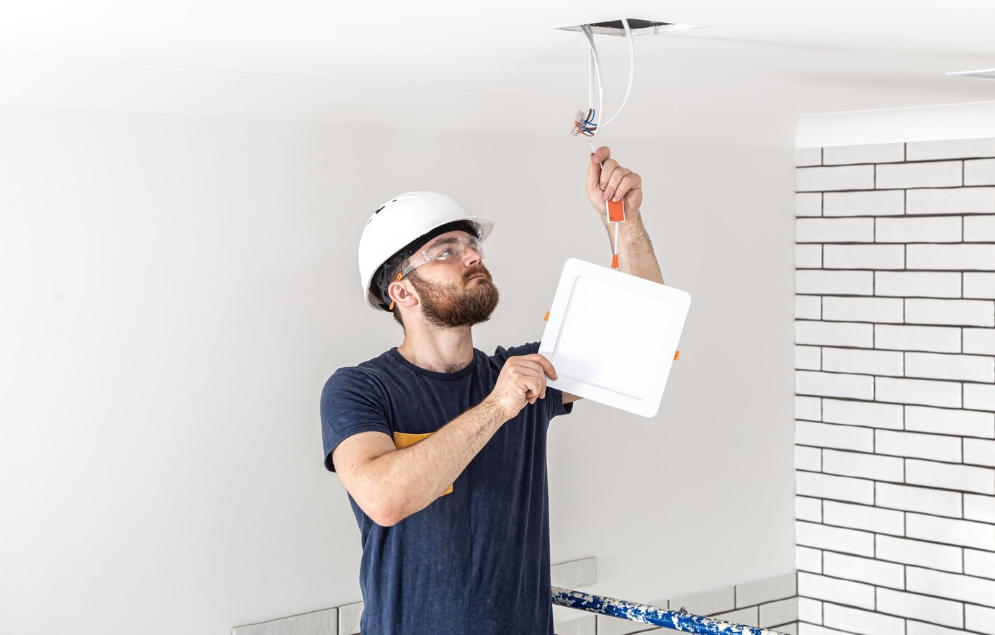
Although technical electrical maintenance should be left to qualified professionals, homeowners can take several sensible steps to identify problems early.
- Inspect visible fixtures: Look for cracked covers, loose mounting hardware, and obvious damage without opening electrical components.
- Avoid overloading outlets: Follow the ratings and instructions for outlets, extension boards, and connected appliances.
- Keep electrical equipment dry: Protect electrical devices from water and moisture, especially in kitchens, bathrooms, and outdoor areas.
- Address warning signs promptly: Do not ignore burning odors, unusual heat, repeated tripping, or unexplained power interruptions.
- Keep access clear: Avoid blocking distribution boards or other electrical equipment that may need professional inspection.
- Maintain service records: Keep notes on repairs, replacements, inspections, and equipment warranties.
Regular attention to visible problems and timely professional inspections can help homeowners manage their electrical systems more responsibly.
Frequently Asked Questions About Electrical Handyman Services
1. What do electrical handyman services include?
Depending on the provider’s qualifications and local rules, services may include fixture-related tasks, mounting compatible devices, minor home maintenance, and coordinating repairs. Wiring changes, circuit installations, and technical electrical repairs may require a qualified electrician.
2. Can a handyman replace an electrical switch or outlet?
This depends on the professional’s qualifications and the rules that apply in your area. Because switch and outlet replacement may involve electrical connections, confirm that the provider is authorized and competent to perform the work. When in doubt, hire a qualified electrician.
3. How much do electrical handyman services cost?
Prices vary based on the type of task, labor, materials, location, and complexity. Request a written estimate that explains what is included, whether diagnostic fees apply, and how additional work will be priced.
4. When should I hire an electrician instead of a handyman?
Hire a qualified electrician for wiring faults, new circuits, distribution board repairs, repeated breaker trips, overheating, sparking, and other problems involving the electrical system. Major or regulated work should be performed by a professional with the appropriate qualifications and authorization.
5. How can I find reliable electrical handyman services near me?
Compare local providers, review their experience and customer feedback, verify qualifications for the specific task, and request a written estimate. Confirm safety procedures, scheduling, and warranty terms before approving the work.