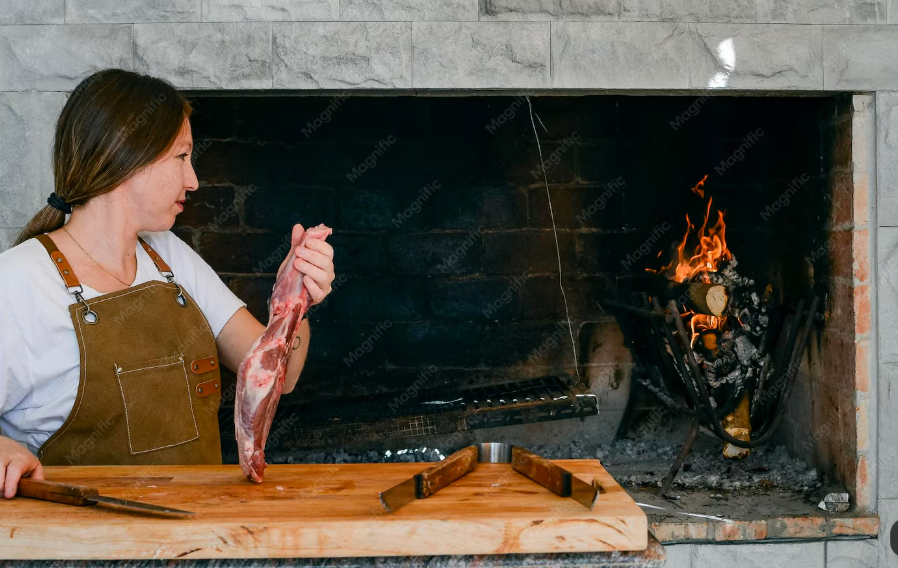
A fireplace can make a home feel warm, comfortable, and inviting. Whether you have a traditional wood-burning fireplace, a modern gas fireplace, or an electric fireplace, regular maintenance is essential for reliable operation. However, problems such as smoke entering the room, damaged masonry, faulty ignition, or a fireplace that refuses to produce heat can make professional repairs necessary.
A reliable fireplace repair service helps homeowners identify the cause of these problems, restore proper operation, and address potential safety concerns. Depending on the fireplace type, repairs may involve the firebox, chimney, flue, damper, gas burner, ignition system, electrical components, or surrounding structure.
This guide explains common fireplace problems, available repair services, cost considerations, maintenance tips, and how to choose a qualified fireplace repair professional.
What Is a Fireplace Repair Service?
A fireplace repair service specializes in inspecting, diagnosing, maintaining, and repairing fireplace systems. The work required depends on the fireplace’s fuel source, construction, age, and condition.
Some service providers focus on chimney and masonry repairs, while others specialize in gas fireplace troubleshooting, electric fireplace components, or complete fireplace restoration.
Common fireplace repair services include:
- Inspecting damaged fireboxes and surrounding masonry.
- Repairing or replacing faulty dampers.
- Addressing chimney and flue problems.
- Diagnosing gas fireplace ignition failures.
- Repairing suitable electric fireplace components.
- Replacing damaged fireplace doors or approved glass assemblies.
- Addressing smoke and draft problems.
- Repairing certain chimney caps, flashing, and exterior masonry.
- Cleaning fireplaces and removing hazardous creosote buildup where appropriate.
The right professional should understand your particular fireplace system and explain which repairs are necessary before work begins. Chimney defects, gas-system faults, and damaged electrical components may require different specialists. <Cite refs={[“turn291415search2″,”turn291415search7″,”turn291415search12”]}/>
Common Fireplace Problems That Require Repairs
Recognizing the signs of a malfunctioning fireplace can help you arrange service before a small issue develops into a more serious problem.
1. Smoke Entering the Room
Smoke should travel through the appropriate chimney or venting system rather than filling your living space. If smoke enters the room during normal operation, the problem may involve a blocked flue, a closed or faulty damper, poor draft, or an obstruction in the venting system.
Potential causes include:
- Creosote or debris restricting the flue.
- A damper that does not open correctly.
- A blocked chimney cap.
- Ventilation or pressure problems inside the home.
- Incorrect fireplace operation or unsuitable fuel.
Stop using the fireplace if smoke repeatedly enters the room. Have the chimney and venting system inspected before using it again.
2. Cracked Firebox or Damaged Masonry
The firebox is designed to contain heat and protect the surrounding structure. Over time, heat exposure and material deterioration can cause cracks in refractory panels, mortar joints, bricks, or other components.
Minor surface deterioration may require a different repair from deep cracks or damaged structural masonry.
A qualified fireplace or masonry specialist can determine whether the damage requires suitable refractory repairs, repointing, component replacement, or more extensive reconstruction.
Do not assume that ordinary household filler or general-purpose sealant is suitable for high-temperature fireplace surfaces.
3. Gas Fireplace Won’t Ignite

Gas fireplaces depend on correctly functioning ignition systems, burners, controls, and fuel supply components.
Common symptoms include a pilot light that will not remain lit, clicking without ignition, an unresponsive remote, or a flame that shuts off unexpectedly.
Possible causes include depleted remote batteries, faulty ignition components, sensor problems, burner contamination, or a gas supply issue.
Homeowners should limit checks to normal controls and accessible batteries as described in the manufacturer’s instructions. Repairs involving gas valves, burners, internal wiring, or gas connections should be handled by a qualified technician.
If you smell gas, do not attempt to ignite the fireplace or operate electrical switches. Leave the area and contact the appropriate gas emergency service from a safe location.
4. Faulty Fireplace Damper
A damper regulates airflow through a traditional fireplace chimney. When it becomes stuck, corroded, or damaged, it may prevent proper ventilation or allow unwanted drafts.
Signs of damper problems include difficulty opening or closing it, visible corrosion, smoke entering the room, and cold air flowing through the fireplace when it is not in use.
A professional can inspect the mechanism, remove appropriate obstructions, repair suitable components, or recommend replacement when necessary.
5. Electric Fireplace Not Producing Heat
Electric fireplaces use electrical components to create simulated flames and, in many models, provide supplemental heat.
Common problems include a heater that does not operate, unusual fan noise, a display that shows an error code, or a unit that switches off unexpectedly.
Potential causes include control settings, an interrupted power supply, overheating protection, or a faulty internal component.
Check the manufacturer’s operating instructions and normal controls first. Unplug the unit before any permitted external maintenance, and do not open the appliance or attempt internal electrical repairs unless you are appropriately qualified.
6. Water Leaks Around the Chimney
Water entering around a chimney can damage masonry, ceilings, walls, and interior finishes. Possible causes include deteriorated flashing, damaged chimney caps, cracked masonry, or failed waterproofing.
Warning signs include water stains, damp patches, loose mortar, rust marks, and deterioration around the fireplace opening.
A chimney repair professional can inspect the exterior and identify whether the problem requires flashing repairs, masonry work, cap replacement, or another appropriate solution.
Types of Fireplace Repair Services
Different fireplace designs require different repair approaches. Understanding the main service categories helps you choose the appropriate professional.
Wood-Burning Fireplace Repairs
Traditional fireplaces require attention to the firebox, chimney, flue, damper, and surrounding masonry.
Common services include removing creosote buildup, repairing damaged refractory materials, correcting certain draft problems, and addressing chimney deterioration.
Creosote is a combustible deposit produced during wood burning. Accumulation can increase chimney-fire risk, making appropriate inspection and cleaning important.
Gas Fireplace Repairs
Gas fireplaces require specialized attention to fuel delivery, ignition, burners, controls, glass assemblies, and venting.
Typical professional services include:
- Diagnosing ignition failures.
- Inspecting pilot assemblies and sensors.
- Checking burner operation.
- Investigating abnormal flame patterns.
- Inspecting approved glass and gasket assemblies.
- Evaluating the venting system.
- Testing repaired components according to the manufacturer’s requirements.
A gas fireplace should not be operated when it has a suspected gas leak, damaged sealed glass, persistent soot, abnormal ignition, or a carbon monoxide warning.
Electric Fireplace Repairs
Electric fireplace repairs may involve the heater, fan, controls, display, remote receiver, or other electrical components.
Depending on the design, the repair may require an appliance technician or qualified electrician. Always follow the manufacturer’s requirements for servicing and replacement parts.
Chimney and Masonry Repairs
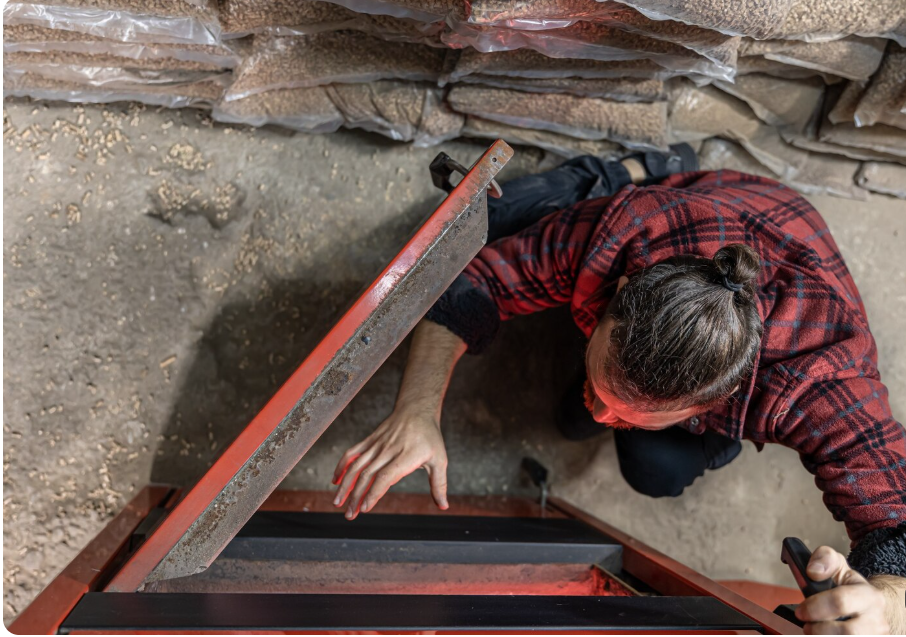
The chimney plays an important role in directing combustion products away from the home. Damaged masonry, deteriorated mortar, blocked flues, and defective flashing can affect fireplace performance and safety.
Chimney specialists can inspect the system and recommend appropriate repairs based on its condition and construction.
Fireplace Repair Services: Problems and Solutions
| Common Problem | Possible Cause | Appropriate Professional Response |
|---|---|---|
| Smoke enters the room | Blocked flue, poor draft, damper issue | Inspect the chimney and venting system |
| Cracked firebox | Heat damage or material deterioration | Repair or replace suitable refractory components |
| Gas fireplace will not ignite | Ignition, sensor, or fuel supply issue | Diagnose the gas fireplace system |
| Damaged damper | Corrosion, wear, or obstruction | Repair or replace the mechanism |
| Electric fireplace has no heat | Settings, power issue, or component fault | Inspect according to the appliance design |
| Water around the chimney | Damaged flashing, cap, or masonry | Inspect and repair the exterior |
| Heavy soot or creosote | Combustion or maintenance problem | Arrange professional inspection and cleaning |
The correct solution depends on the underlying cause. Replacing a component without diagnosing the problem may lead to recurring faults or unnecessary expenses.
How Much Does a Fireplace Repair Service Cost?
Fireplace repair costs vary according to the type of fireplace, the extent of damage, labor requirements, materials, and local service rates.
A minor adjustment may require relatively little work, while repairing a damaged chimney, replacing specialized gas components, or rebuilding part of a firebox can involve more substantial labor and materials.
Factors That Affect Repair Costs
Type of fireplace: Wood-burning, gas, and electric systems have different components and repair requirements.
Severity of damage: A small, isolated problem may be less expensive to address than extensive deterioration.
Parts and materials: Specialized glass assemblies, ignition components, refractory panels, masonry materials, and replacement hardware affect the total.
Accessibility: Difficult chimney access or work at height may require additional equipment and labor.
Inspection requirements: Some problems require a detailed chimney inspection, combustion testing, or additional diagnostic work.
Emergency scheduling: Urgent appointments may cost more than planned maintenance visits.
Fireplace Repair Budget Checklist
| Expense | What to Confirm |
|---|---|
| Inspection | Is the diagnostic visit charged separately? |
| Labor | Is pricing hourly or based on the complete job? |
| Replacement parts | Are compatible components included? |
| Materials | Are masonry supplies, sealants, or other materials included? |
| Chimney access | Are special equipment or access charges required? |
| Additional repairs | Must you approve extra work before it begins? |
| Warranty | Are parts and workmanship covered? |
Request an itemized written estimate before authorizing substantial work. If the inspection reveals additional damage, ask the professional to explain the findings and obtain approval for the revised scope.
How to Choose a Reliable Fireplace Repair Professional
Selecting the right technician is essential because fireplace repairs can involve heat, combustion, electrical components, and ventilation.
1. Choose a Specialist for Your Fireplace Type
Ask whether the provider regularly works on your specific fireplace model and fuel type. A masonry chimney specialist may not have the expertise needed to diagnose a gas ignition system, while an appliance technician may not specialize in structural chimney repairs.
2. Check Qualifications and Experience
Verify relevant training, licenses where required, insurance, and experience. For gas systems, chimney work, and electrical components, confirm that the professional is qualified for the specific task.
3. Request an Inspection Before Major Repairs
A reliable provider should assess the problem before recommending expensive replacements. Ask for an explanation of the damage, the proposed solution, and any other concerns identified during the inspection.
4. Compare Written Estimates
When practical, obtain more than one quotation for substantial repairs. Compare the work included, replacement materials, labor, inspection procedures, and warranty terms.
5. Ask About Safety Testing
For gas fireplaces, confirm that the professional will perform the appropriate operational and safety checks after repairs. For chimney work, ask what inspection or verification is included.
6. Review the Warranty
Ask whether the repair is covered by a workmanship warranty and whether replacement parts have separate coverage. Keep copies of invoices, inspection reports, and service records.
Fireplace Maintenance Tips to Prevent Future Problems
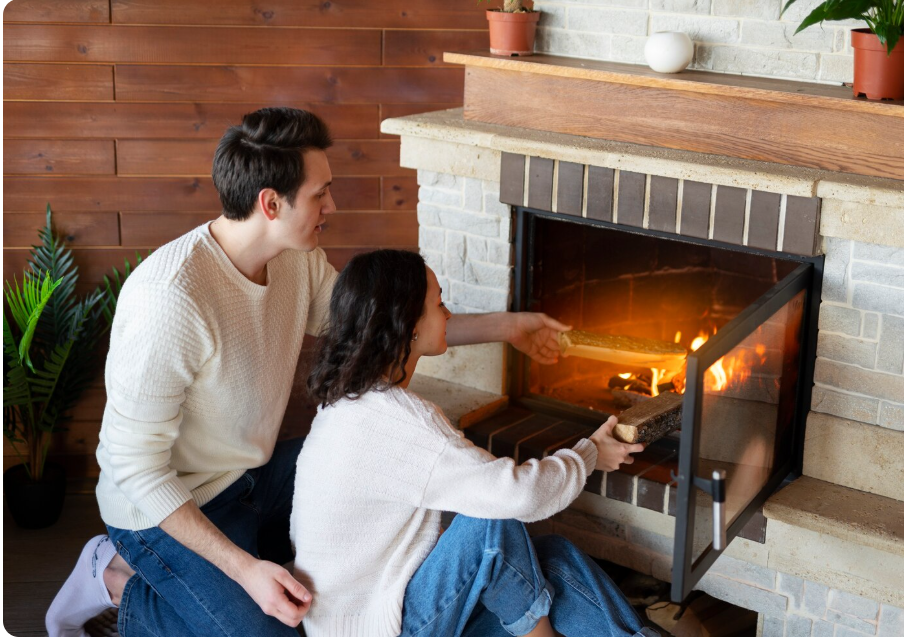
Regular maintenance can help identify developing issues and keep a fireplace in suitable working condition.
- Arrange periodic inspections: Follow the manufacturer’s guidance and applicable local recommendations for the fireplace and chimney system.
- Keep the fireplace area clean: Remove cold ashes appropriately and keep combustible items away from the opening.
- Use suitable fuel: Burn only fuel recommended for your fireplace, and avoid burning treated or painted wood in wood-burning systems.
- Watch for warning signs: Pay attention to smoke entering the room, unusual odors, persistent soot, water stains, or damaged masonry.
- Maintain safety alarms: Test smoke and carbon monoxide alarms according to their instructions.
- Keep service records: Record inspections, repairs, replacement parts, and maintenance recommendations.
- Avoid unqualified repairs: Do not modify gas controls, bypass safety devices, or repair damaged electrical components without the necessary qualifications.
Regular inspections are particularly important when a fireplace has not been used for an extended period or when the chimney may have developed blockages or deterioration.
Frequently Asked Questions About Fireplace Repair Service
1. When should I call a fireplace repair professional?
Call a professional if smoke enters the room, the firebox has significant cracks, the damper fails, the gas fireplace will not operate normally, or water is entering around the chimney. Stop using the fireplace if you suspect a safety problem.
2. Can a gas fireplace be repaired if it will not ignite?
Yes, many ignition problems can be repaired after diagnosis. The cause may involve the ignition system, pilot assembly, sensors, controls, or fuel supply. Gas-related repairs should be completed by a qualified technician.
3. How often should a fireplace and chimney be inspected?
Inspection frequency depends on the fireplace design, use, condition, manufacturer guidance, and local requirements. Wood-burning fireplaces and chimneys need particular attention to soot and creosote buildup. Follow applicable inspection recommendations rather than waiting for a visible problem.
4. Is it better to repair or replace a fireplace?
Repair may be appropriate when the main structure is sound and the problem involves a serviceable component. Replacement may be worth considering when the firebox, venting system, or multiple major components are seriously deteriorated. A qualified professional can assess safety, repair costs, and the availability of suitable replacement parts.
5. What should I do if my fireplace smells like gas?
Do not light the fireplace or operate electrical switches. Leave the area, keep away from ignition sources, and contact your gas utility or emergency service from a safe location. Do not return until the responding authority says it is safe.