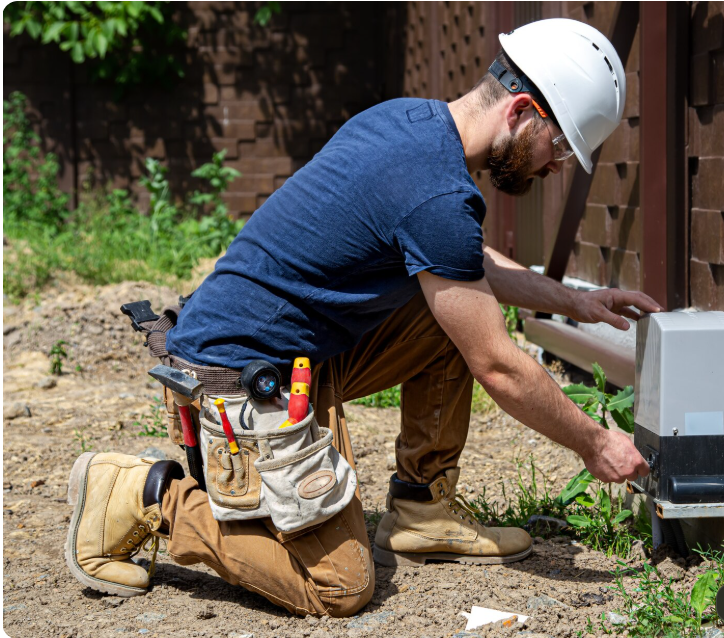
Unexpected home problems can happen at any time. A leaking pipe, broken door lock, damaged window, overflowing sink, or loose stair railing can quickly disrupt your daily routine. When a repair cannot wait for a regular appointment, emergency handyman services can help restore safety, protect your property, and address urgent maintenance needs.
An emergency handyman can assist with a variety of household repairs, depending on their experience, equipment, and qualifications. Some problems require immediate action to prevent further damage, while others can be scheduled for the next available appointment. Knowing the difference helps homeowners respond quickly without spending unnecessarily.
This guide explains what emergency handyman services include, which household problems need urgent attention, how to choose a reliable professional, and what to consider when budgeting for emergency repairs.
What Are Emergency Handyman Services?
Emergency handyman services provide urgent assistance for household repairs that create a safety concern, threaten property damage, or interfere with essential home functions.
Unlike routine maintenance, emergency repairs focus on addressing the immediate problem and making the affected area safe. Depending on the situation, the professional may complete a repair, secure damaged equipment, or arrange a specialist for more complicated work.
Common emergency handyman services include:
- Securing damaged doors and windows.
- Repairing certain leaking plumbing fixtures.
- Addressing overflowing toilets when the problem is within their expertise.
- Securing loose handrails and other hazardous fittings.
- Temporarily protecting damaged areas after a storm.
- Repairing certain broken cabinet fixtures or wall-mounted items.
- Assessing minor damage to drywall and interior finishes.
- Helping coordinate qualified electricians, plumbers, or other specialists.
Not every handyman provides round-the-clock service, and not every emergency falls within a handyman’s qualifications. Ask about availability and confirm that the provider is equipped to handle the specific problem. <Cite refs={[“turn122298search0″,”turn122298search2”]}/>
Common Situations That Require an Emergency Handyman
Some home repairs should be addressed immediately because waiting can increase damage or create a hazard.
1. Sudden Plumbing Leaks
A leaking pipe, damaged supply hose, or failed plumbing connection can allow water to spread through cabinets, walls, floors, and ceilings.
An emergency handyman may be able to address a minor leak if the repair is within their competence. A burst pipe, concealed leak, or major plumbing failure generally requires a qualified plumber.
If it is safe to do so, shut off the relevant water supply and move valuables away from the affected area. If water is near electrical equipment, avoid the area and seek appropriate professional assistance.
2. Broken Doors and Faulty Locks
A damaged entry door or a lock that will not secure properly can leave a property vulnerable.
Emergency handyman services may include securing a loose door, repairing suitable hardware, adjusting a misaligned door, or arranging a temporary protective measure.
If the lock has failed because of significant frame damage or a security incident, a specialist locksmith or door repair professional may be more appropriate.
3. Broken Windows and Damaged Glass
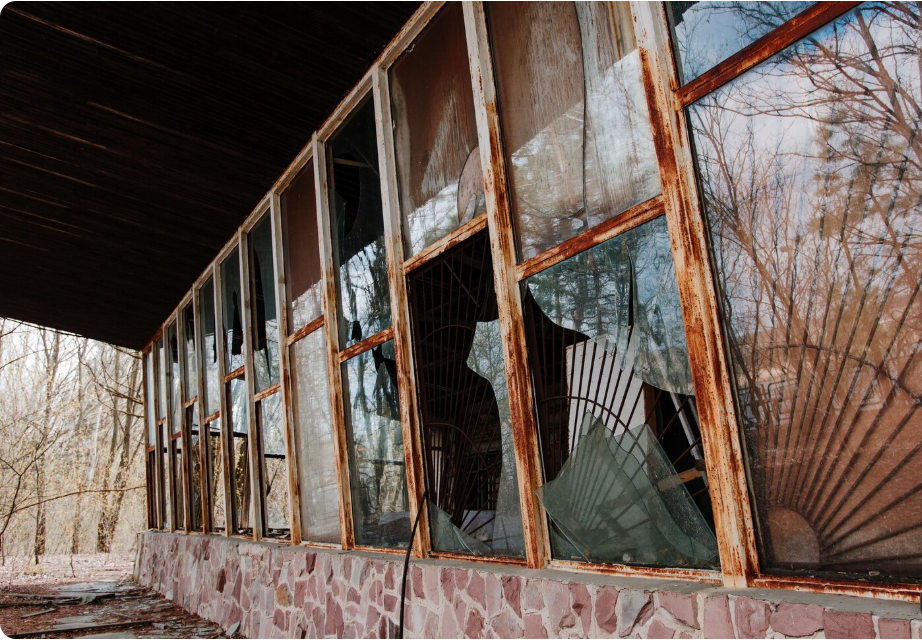
Broken glass can cause cuts and leave a home exposed to weather or unauthorized entry.
A handyman may be able to help secure the surrounding area or arrange temporary protection if qualified to do so. Glass replacement should be handled by an appropriate glazing professional, particularly when large, heavy, or safety-rated panels are involved.
Keep children and pets away from the damaged area. Do not attempt to handle loose glass yourself.
4. Electrical Problems
Electrical problems can create serious fire and shock hazards. Warning signs include sparking outlets, burning smells, exposed conductors, unusual heat, and repeated circuit breaker trips.
These issues should be handled by a qualified electrician, not an unqualified general handyman.
If there is smoke, active sparking, or an immediate fire hazard, move away from the affected area and contact emergency services when necessary. Do not touch exposed wires or attempt repairs on live electrical equipment.
5. Loose Handrails and Unsafe Steps
A loose handrail, unstable stair component, or damaged step can increase the risk of falls, especially for children, older adults, and people with mobility difficulties.
An emergency handyman may be able to secure a simple fitting if the underlying structure is sound and the work is within their expertise. If the stairs or supporting structure appear seriously damaged, restrict access and consult an appropriate contractor or structural specialist.
6. Roof Leaks and Storm Damage
Heavy rain, strong winds, or fallen branches can damage roofing materials, gutters, and exterior fixtures.
An emergency handyman may help with limited ground-level protection or temporary measures that can be completed safely. Extensive roof damage, structural problems, and work at height may require a qualified roofing contractor or other specialist.
Avoid climbing onto a wet or damaged roof. Preventing injuries is more important than attempting an immediate repair.
Emergency Handyman vs. Specialist Contractor
Choosing the right professional helps ensure that the repair is completed safely and correctly.
| Emergency Situation | Suitable Professional | Main Priority |
|---|---|---|
| Minor accessible plumbing leak | Qualified handyman or plumber, depending on the repair | Stop water damage |
| Burst water pipe | Qualified plumber | Control the leak and repair the pipe |
| Broken door handle | Handyman or door repair professional | Restore normal operation |
| Failed security lock | Locksmith or suitable door specialist | Secure the property |
| Loose handrail | Handyman if the structure is sound | Prevent falls |
| Sparking electrical outlet | Qualified electrician | Address electrical danger |
| Broken glass panel | Glazing professional | Safely secure and replace glass |
| Major roof or structural damage | Appropriate roofing or structural specialist | Protect occupants and stabilize the property |
An emergency handyman is often useful for general repairs and temporary stabilization, but specialist work should not be attempted without the necessary training and equipment.
Benefits of Hiring an Emergency Handyman
When a repair cannot wait, professional help can reduce uncertainty and make the next steps easier to manage.
Faster Response to Urgent Problems
Some service providers offer same-day or after-hours appointments. A timely response may help limit water damage, restore access, or secure a damaged fixture.
However, response times vary by location and availability. Always request an estimated arrival window instead of assuming a provider can arrive immediately.
Helps Prevent Further Property Damage
Addressing a problem early can help prevent a minor issue from affecting other parts of the home. For example, containing a small accessible leak may reduce the amount of water reaching nearby cabinets or flooring.
The appropriate response depends on the cause and severity of the problem.
Improves Household Safety
A damaged handrail, unstable fitting, or broken door can create immediate hazards. A suitable professional can assess the problem and recommend an appropriate repair or temporary safety measure.
Convenient Access to Multiple Services
Some emergency handyman providers handle several types of basic maintenance. This can be helpful when a household has multiple related issues, although specialized problems may require different tradespeople.
Provides Practical Repair Advice
An experienced professional can explain whether the issue can be repaired immediately, requires replacement parts, or needs further assessment by a specialist.
How Much Do Emergency Handyman Services Cost?
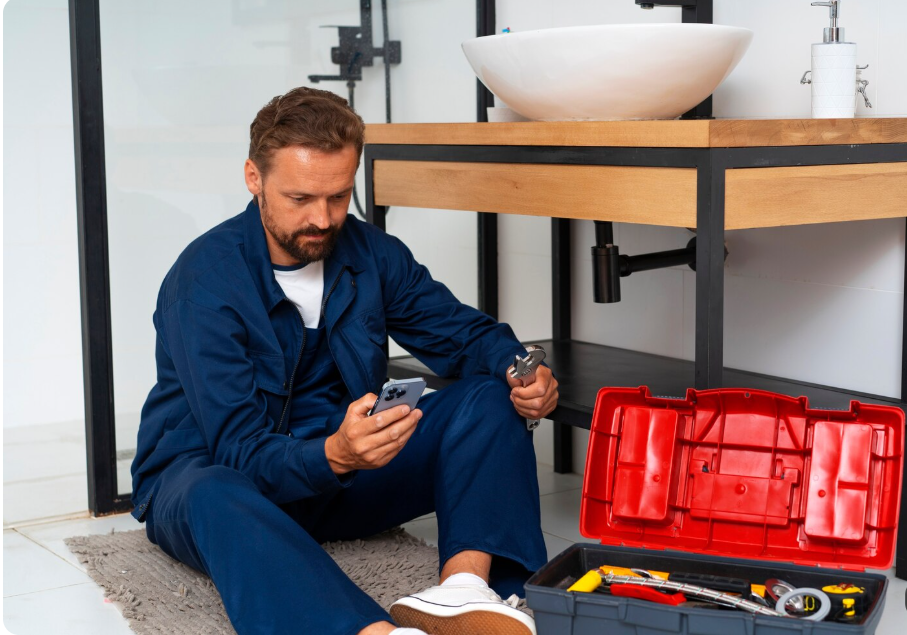
Emergency handyman services may cost more than routine maintenance because of urgent scheduling, travel, after-hours work, and the need for immediate attention.
The total cost depends on the type of problem, the time required, the materials needed, and whether a specialist must be involved.
Factors That Affect Emergency Repair Costs
Urgency and timing: Evening, weekend, holiday, and overnight appointments may involve additional fees.
Type of repair: Securing a loose door handle is generally a different undertaking from addressing water damage or repairing a damaged frame.
Labor requirements: The time required to inspect, diagnose, and resolve the problem affects the final bill.
Replacement materials: Locks, fittings, plumbing components, fasteners, and protective materials may add to the expense.
Accessibility: Difficult-to-reach areas or damage behind finished surfaces can make a repair more complicated.
Specialist involvement: A plumber, electrician, glazier, or structural contractor may charge separately when the problem falls outside the handyman’s scope.
Emergency Handyman Pricing Checklist
| Cost Component | What to Confirm |
|---|---|
| Call-out fee | Is there a charge just for attending? |
| Emergency surcharge | Does the rate change outside normal hours? |
| Labor | Is the job charged hourly or at a fixed price? |
| Materials | Are parts and supplies included? |
| Specialist fees | Will another professional need to attend? |
| Follow-up visit | Are return visits charged separately? |
| Warranty | Is the completed repair covered? |
Before work begins, ask for the expected cost and the scope of the immediate repair in writing, where possible. If the problem becomes more complicated after inspection, request approval before additional work is undertaken.
How to Choose a Reliable Emergency Handyman
Urgent situations can make it tempting to hire the first available person. Taking a few basic precautions can help protect your property and your budget.
1. Confirm Availability and Arrival Time
Ask whether the provider can attend within your required timeframe. Explain the problem clearly and share photographs if they help communicate the severity.
Do not rely on an advertised 24-hour service unless the provider confirms current availability.
2. Check Experience With Your Specific Problem
A handyman who regularly repairs doors may not be suitable for a complex plumbing issue. Confirm that the professional has handled similar jobs and knows when specialist assistance is necessary.
3. Ask for Clear Emergency Pricing
Find out about the call-out fee, hourly rate, travel costs, and any after-hours surcharge. Ask whether the initial inspection is included in the quoted price.
4. Verify Identity and Business Details
Before allowing someone into your home, confirm the appointment details and check the person’s identity. If the service is provided through a company, verify the company name and contact information.
5. Request a Written Estimate
Even in an urgent situation, ask for a written estimate or message describing the work and expected cost before authorizing non-immediate repairs.
Be cautious of providers who refuse to explain their charges or demand a large, unexplained upfront payment.
6. Check Insurance and Relevant Qualifications
Ask whether the provider has appropriate insurance and any required qualifications for the work. Electrical, gas-related, structural, and certain plumbing tasks should be handled by professionals authorized to perform them.
7. Understand the Repair Warranty
Ask whether the work or replacement parts are covered and whether a follow-up visit will be charged separately if the problem returns.
What to Do Before an Emergency Handyman Arrives
Taking sensible precautions while waiting for assistance may help reduce further damage and protect household members.
- Prioritize safety: Keep children, pets, and other occupants away from the affected area.
- Stop the source if safe: Shut off an accessible water supply if a leak is occurring and you can do so safely.
- Avoid dangerous DIY repairs: Do not handle broken glass, exposed wires, unstable structures, or damaged roofing.
- Protect nearby belongings: Move items away from water or other hazards only when it is safe.
- Document the damage: Take photographs from a safe distance if you need records for insurance or the repair professional.
- Prepare a clear description: Explain when the problem started, what has changed, and any steps already taken.
- Confirm the quotation: Agree on the initial work and ask how additional repairs will be priced.
If the situation involves fire, gas, serious electrical danger, structural instability, or an immediate threat to people, contact the appropriate emergency service rather than waiting for a handyman.
Emergency Handyman Services vs. Routine Home Maintenance
Not every household repair requires an emergency appointment. Understanding the difference can help homeowners prioritize spending and choose the right service.
| Home Problem | Typical Priority | Recommended Action |
|---|---|---|
| Active leak causing rapid damage | Urgent | Control the water source if safe and contact an appropriate professional |
| Door cannot be secured | Urgent | Arrange prompt security repair |
| Sparking outlet or burning smell | Immediate safety concern | Move away and contact a qualified electrician or emergency services as appropriate |
| Loose stair handrail | Prompt attention | Restrict unsafe access and arrange repair |
| Slow-dripping tap | Usually routine, unless worsening | Schedule a plumbing repair |
| Sticky drawer or cabinet handle | Routine | Book a standard handyman visit |
| Minor paint damage | Routine | Plan a maintenance appointment |
| Furniture assembly | Routine | Schedule when convenient |
The severity of the problem matters more than its appearance. A small-looking fault can require urgent attention if it affects safety, security, or essential home systems.
Tips to Reduce Future Home Emergencies
Preventive maintenance cannot eliminate every unexpected problem, but it can help identify potential issues before they become serious.
Inspect Common Problem Areas
Periodically check visible plumbing connections, door hardware, handrails, window locks, and other frequently used fixtures for signs of wear.
Address Small Problems Early
A loose fitting, minor leak, or sticking door may become more difficult to repair if ignored. Arrange routine maintenance when a problem first appears.
Keep Important Shut-Off Points Accessible
Know where your main water shut-off is located and keep access clear. Understand the safe procedures for your home’s systems without attempting work beyond your abilities.
Maintain Doors and Windows
Check locks, hinges, and weather seals periodically. Timely adjustments can help maintain security and reduce wear.
Keep a List of Trusted Professionals
Save contact details for qualified plumbers, electricians, locksmiths, and general maintenance providers. Having reliable contacts available can reduce stress when something goes wrong.
Follow Manufacturer Maintenance Guidance
Maintain household equipment according to the manufacturer’s instructions and arrange professional servicing when recommended.
Frequently Asked Questions About Emergency Handyman Services
1. What qualifies as an emergency handyman repair?
A repair may be urgent when it creates a safety risk, threatens rapid property damage, compromises home security, or prevents the safe use of an essential area. Examples include certain active leaks, damaged entry doors, and unsafe handrails. Serious electrical, structural, or other specialized problems require the appropriate qualified professional.
2. Are emergency handyman services available 24 hours a day?
Some providers offer 24-hour or after-hours assistance, while others operate only during standard business hours. Confirm availability, expected arrival time, and any emergency surcharge directly with the service provider.
3. How much do emergency handyman services cost?
Costs depend on the repair, labor, materials, location, and urgency. After-hours visits may involve additional charges. Ask for the call-out fee, estimated repair cost, and any potential extra expenses before authorizing work.
4. Can an emergency handyman handle plumbing and electrical problems?
A handyman may handle certain minor tasks if appropriately qualified and authorized. Major plumbing failures should be handled by a qualified plumber, while wiring faults, sparking outlets, and other electrical hazards require a qualified electrician. The provider should not attempt work outside their expertise.
5. How can I find a reliable emergency handyman near me?
Search for local providers, confirm current availability, review customer feedback, and check experience with your specific repair. Ask about emergency charges, relevant qualifications, insurance, and written estimates before approving the work.